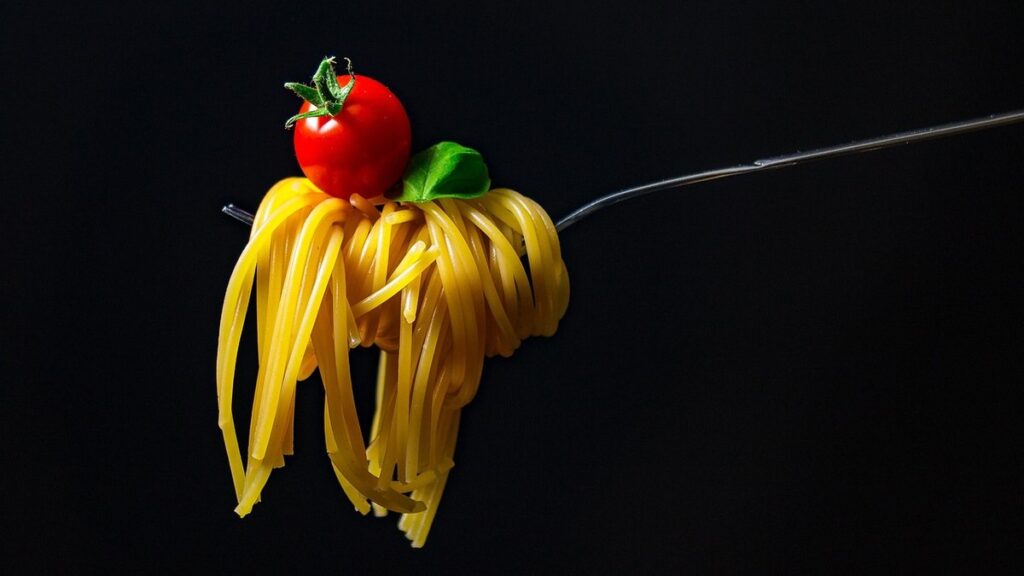
The French word “voilà” is often used to indicate something has been presented or revealed, but its rich history and cultural significance extend far beyond simple language usage. You might be familiar with the phrase in culinary contexts, where it’s used to proudly present a finished dish, like a beautifully plated dessert at a fancy restaurant. But “voilà” also holds a special place in literature and language, where its meaning and connotations have evolved over time. From its origins as a verb meaning “there it is” to its current use as an exclamation of triumph or introduction, “voilà” has become a staple of French cuisine, culture, and communication. This article will explore the fascinating history, usage, and cultural impact of “voilà”, tracing its roots in French language and literature, as well as its enduring charm in modern contexts, allowing you to appreciate this iconic word like never before.

What is Voilà?
Let’s explore what exactly voilà means, and we’ll start by breaking down its origins and basic definition to get a clear understanding. This simple phrase has a rich history.
Definition and Usage
In French cuisine, voilà is often used to indicate that a dish has been served. When a waiter says “voilà,” it’s their way of saying, “Here you are” or “Your meal is ready.” This usage is especially common in fine dining establishments where the chef wants to present each course with flair. The word is typically pronounced with a slight emphasis on the second syllable (vwah-LAH).
Beyond the culinary world, voilà has broader applications in French culture and language. In everyday conversation, it can be used to point out or introduce something new. For instance, “Voilà mon nouveau chien” translates to “Here’s my new dog.” When speaking with friends, you might use voilà to draw attention to a particular event or achievement.
In formal writing, such as in travel guides or culinary blogs, voilà is used to describe experiences and attractions. For example, “Voilà the famous Eiffel Tower” would introduce the iconic landmark. In each context, voilà serves as a versatile term for presenting something with a sense of flair and presentation, often accompanied by a gentle flourish or dramatic pause.
Origins of the Word
The word “voilà” has its roots in Old French, specifically in the 14th century. It emerged from the phrase “voire là,” which translates to “there it is.” Initially, this expression was used to draw attention to something that had been previously mentioned or shown. Over time, the phrase evolved into a single word, “voilà,” and its meaning expanded to include other contexts.
In French, voilà can still be used as an interjection, similar to its original purpose in Old French. However, it has also taken on a more nuanced role in modern language. Voilà is often employed to indicate the presentation of something new or the completion of a task. For instance, when presenting a finished product, voilà can be used to proudly declare its existence.
As French influence spread throughout Europe during the Renaissance, the term “voilà” began to appear in other languages. Its adoption into various linguistic systems demonstrates how this simple phrase has traveled and adapted over time, taking on different connotations along the way.
Voilà in French Cuisine
When it comes to voilà, its significance extends beyond a simple phrase, and exploring its role in French cuisine offers a fascinating glimpse into cultural traditions. Let’s examine how voilà is used in cooking and dining.
Presentation and Service
In formal French culinary traditions, voilà is often used during service presentations to indicate the arrival of a dish. This can be seen at Michelin-starred restaurants, where chefs will proudly present each course with a flourish, saying “Voilà!” as they unveil the finished plate. The use of voilà in this context serves as a signal to the waitstaff and diners that the next course is ready for service.
In fine dining settings, it’s customary for servers to respond with a nod or a gentle phrase like “Merci, chef” when presented with the dish. This polite exchange acknowledges the chef’s hard work and sets the tone for the meal. When hosting formal dinners, consider incorporating this tradition into your own table service by having your server use voilà to present each course.
To recreate this atmosphere at home, focus on creating a visually appealing presentation for each dish. Garnish with fresh herbs or edible flowers, and arrange ingredients thoughtfully to showcase their colors and textures. By paying attention to the details and using voilà to signal the arrival of each course, you can create a memorable dining experience that feels almost as elegant as a Michelin-starred restaurant.
Iconic Dishes and Recipes
When French cuisine comes to mind, iconic dishes like Beef Bourguignon and Coq au Vin immediately spring up. These beloved recipes showcase the essence of voilà’s meaning: presenting a finished dish with flair. Both Bourguignon and Vin rely heavily on slow-cooked braising liquids that transform tougher cuts into tender, fall-apart masterpieces.
In traditional French cooking, it’s not uncommon for voilà to be used as a signal to present the final dish. This might involve garnishing Beef Bourguignon with fresh thyme or Coq au Vin with crumbled bacon. The presentation itself is often an integral part of the culinary experience. By incorporating voilà into these iconic recipes, cooks can elevate their dishes from mere sustenance to visually stunning creations.
To apply this understanding in your own kitchen, consider adding a flourish to your next French-inspired meal. This might be as simple as arranging vegetables artfully around the main protein or drizzling a sauce in a decorative pattern. By embracing voilà’s spirit of presentation and flair, you can add an extra layer of authenticity and appreciation for these beloved recipes.
Etymology and Linguistic Analysis
Let’s start by examining how the word “voilà” originated, tracing its French roots to a phrase that still conveys surprise and triumph today.
Language Evolution
Over time, the Old French form “voïez” underwent a series of changes to become the modern French phrase “voilà.” One key factor was the influence of Middle English on the evolution of linguistic forms. As a result, the pronunciation and spelling of words like “voïez” began to shift towards more familiar patterns.
In Old French, “voïez” was used as an interjection similar to “lo!” or “behold.” This meaning was retained in some contexts but eventually gave way to a more specific application. By the 17th century, “voilà” had taken on its characteristic use as an attention-directing phrase, often accompanied by a sweeping gesture of the arm.
A small minority of English-speaking countries adopted this phrase, using it in formal or dramatic situations to introduce something already present. This variation highlights the dynamic nature of language and how different linguistic traditions can influence one another.
Related Words and Phrases
VOI and VOI are closely related to the French word voilà. The verb voir means “to see” and is an essential component of the phrase voilà. Voir is also used as a prefix in several words, including voyeur, which refers to someone who secretly watches others. Another related phrase is voici, meaning “here it is” or “look here.” Voici is often paired with voilà to emphasize the presentation of something.
The relationship between voir and voilà becomes apparent when examining their shared historical context. During the 16th century, French writers used voir as a way to signify the visual presentation of an object or action. This root has been carried forward in the development of words like voilà and voici.
When encountering unfamiliar vocabulary related to VOI, try combining it with the verb voir. For example, someone might say “Voici la solution” (look here is the solution), implying they’re presenting a solution by pointing to an object or action. This approach can help decipher new words’ meanings and improve comprehension of voilà itself.
Cultural Significance and Impact
Beyond its simple translation, “voilà” carries a rich cultural significance that reflects French history and customs, as well as its widespread use in everyday language. We’ll explore this fascinating aspect of the word’s meaning.
Symbolism in Literature and Art
In literature and art, voilà has been employed as a deliberate narrative device to punctuate moments of revelation, surprise, or transformation. Authors often use it to signal a shift in their characters’ understanding or perception of the world around them. For instance, in Gustave Flaubert’s Madame Bovary, Emma Bovary’s exclamation “Voilà!” upon beholding Rodolphe’s luxurious estate serves as a catalyst for her own disillusionment and despair. Similarly, filmmakers have utilized voilà to underscore pivotal moments of discovery or epiphany. In Stanley Kubrick’s 2001: A Space Odyssey, the character David Bowman’s whispered “Voilà!” as he transcends human form has become an iconic example of the term’s use in cinema.
When incorporating voilà into your own creative work, consider how its use can heighten tension or create a sense of drama. Voilà can also serve as a metaphor for the elusive nature of meaning or the elusiveness of one’s desires. By paying attention to when and how it is used, you can add depth and nuance to your narrative, inviting readers or viewers to ponder the significance of these moments alongside your characters.
Influence on Other Languages
In many languages, “voilà” has been borrowed as a way to express a sense of finality or completion. In Spanish, for instance, “¡vaya!” is often used to convey a similar meaning, although with a slightly more emphatic tone. This borrowing is not limited to the romance languages; in Italian, the phrase “eh via!” can be heard in situations where “voilà” would be used in French.
It’s worth noting that when using these borrowed phrases, nuance is key. For example, while “¡vaya!” can be a suitable translation for “voilà”, it may not convey the same sense of surprise or delight as the original phrase. To effectively use these borrowed expressions, consider the context and tone you want to convey.
In some cases, the influence of “voilà” on other languages has led to creative variations. For instance, in German, a more literal translation of “voilà” is often used, while in Dutch, a similar phrase “dat is hij!” can be heard. By understanding these borrowed expressions and their connotations, you can better appreciate the cultural significance of “voilà” and its lasting impact on languages around the world.
Common Misconceptions and Myths
Many people assume voilà is simply a French phrase meaning “look at that,” but there are several misconceptions surrounding its origins and true meaning. Let’s set the record straight on what voilà really means.
Debunking the ‘Pronunciation Myth’
In English-speaking contexts, voilà is often mispronounced as vwa-LAH. However, this pronunciation is not only inaccurate but also stems from a misunderstanding of the word’s French origins. Voilà comes from the Old French phrase “voilà dire,” which means “there it is” or “look there.” The correct pronunciation, therefore, is more closely aligned with its etymology: vwa-LEE-ah.
When speaking voilà in English, you’re essentially translating a phrase rather than pronouncing a standalone word. This distinction can be crucial when communicating effectively in French or using the term in formal settings. To practice proper enunciation, try repeating “voilà” with emphasis on the second syllable (LEE) and a gentle stress on the first syllable. Pay attention to how you’re using voilà – as an exclamation of presentation or display, for example, rather than a standalone noun.
By adopting this corrected pronunciation, you’ll not only improve your communication but also demonstrate respect for the French language’s nuances.
Origins of “Voilà” in Non-Food Contexts
The use of “voilà” beyond culinary contexts has its roots in 18th-century France. During this time, “voilà” was adopted by orators and public speakers to add a touch of drama and flair to their presentations. The phrase’s emphasis on revelation and presentation made it an apt choice for introducing new ideas or highlighting key points.
As the art of oratory evolved, so did the use of “voilà.” In the 19th century, writers and lecturers began using the term to signal a shift in focus or to introduce a new topic. This practice spread beyond academia, influencing public speakers and entertainers who sought to create engaging narratives.
In modern times, “voilà” is commonly used in non-food contexts, such as presentations, introductions, or product reveals. When done correctly, using “voilà” can add emphasis and draw attention to a key point. To incorporate this practice effectively, consider the context and audience: use “voilà” sparingly, saving it for moments that genuinely warrant dramatic flair.
Conclusion: The Enduring Charm of Voilà
As we conclude our exploration of the origins and meanings behind “voilà”, let’s reflect on what makes this word so enduringly charming in our language. Its timeless appeal lies in its simplicity and elegance.
Final Thoughts and Reflections
As we conclude our exploration of the enigmatic word “voilà,” it’s clear that its meaning and origin have captivated readers for centuries. Throughout this article, we’ve delved into the linguistic complexities of French idioms and examined the various contexts in which “voilà” is used. From a simple gesture to indicate presentation or arrival, to a more nuanced expression of surprise or discovery, “voilà” has proven itself to be a versatile and timeless term.
One key takeaway from our discussion is that the meaning of “voilà” often depends on the situation and the tone in which it’s used. Whether you’re introducing a dish at a dinner party or announcing a new arrival, “voilà” can add a touch of elegance and sophistication to your language. For writers and speakers looking to incorporate this term into their repertoire, we recommend paying close attention to context and tone when using “voilà.” A simple example is the difference between saying “Voilà! My famous bouillabaisse!” (emphasizing presentation) versus “Voilà! What a surprise!” (expressing astonishment).
Another important consideration is the cultural significance of “voilà.” As a French term, it reflects the rich linguistic heritage and cultural traditions of France. By incorporating “voilà” into your language, you’re not only borrowing from another culture but also participating in a long history of cross-cultural exchange. Whether you’re a foodie, a language enthusiast, or simply someone who appreciates the beauty of language, “voilà” offers a unique opportunity to connect with others and add some flair to your communication.
Frequently Asked Questions
Can I use voilà in non-French presentations or events?
You can adapt the usage of voilà to various settings, such as business presentations or cultural festivals. To effectively incorporate voilà, consider its original meaning and intention: to draw attention to something presented with flair. Use it when introducing a speaker, showcasing a product, or highlighting an achievement.
How do I pronounce voilà correctly in English-speaking contexts?
The correct pronunciation of voilà is “vwah-LAH” or “vwah-lah,” emphasizing the second syllable. This distinct pronunciation sets apart voilà from other French words commonly used in English.
Is it suitable to use voilà for informal gatherings or everyday conversations?
While voilà originated in formal settings, its usage has expanded to various contexts. You can still use voilà in informal situations, but be mindful of your audience and the tone you want to convey. For more casual interactions, consider using a simpler phrase like “Here it is” or “Ta-da.”
Can I substitute voilà with other French phrases like ‘voici’ or ‘votre bonheur’?
While related to voilà, ‘voici’ and ‘votre bonheur’ have distinct meanings. Voici typically refers to the present, near you, whereas voilà emphasizes the presentation itself. Your ‘bonheur,’ meaning good luck, might be used in situations unrelated to presentations or introductions. For formal events, consider using phrases that align with your specific intentions.
Is there a specific time or situation when it’s best to use voilà instead of other presentation techniques?
When you want to draw attention to something presented with style and flair, voilà is an excellent choice. Consider using it during grand entrances, product unveilings, or award ceremonies where drama and anticipation are desired. However, for more straightforward presentations or announcements, simpler phrases might be more suitable.