If you’re thinking about learning a new language or already know two, you might be wondering what it truly means to be bilingual. In today’s increasingly globalized world, speaking more than one language is not just an asset, but a valuable skill that can open doors to new career opportunities and personal growth. But what does being bilingual really mean? Is it simply knowing how to speak and write in two languages, or is there something more to it? In this article, we’ll explore the meaning of bilingualism, its cognitive benefits, and common misconceptions about language acquisition. We’ll also delve into the advantages of speaking multiple languages and discuss how they can impact your career prospects and brain development. By the end of this guide, you’ll have a deeper understanding of what it means to be truly bilingual.
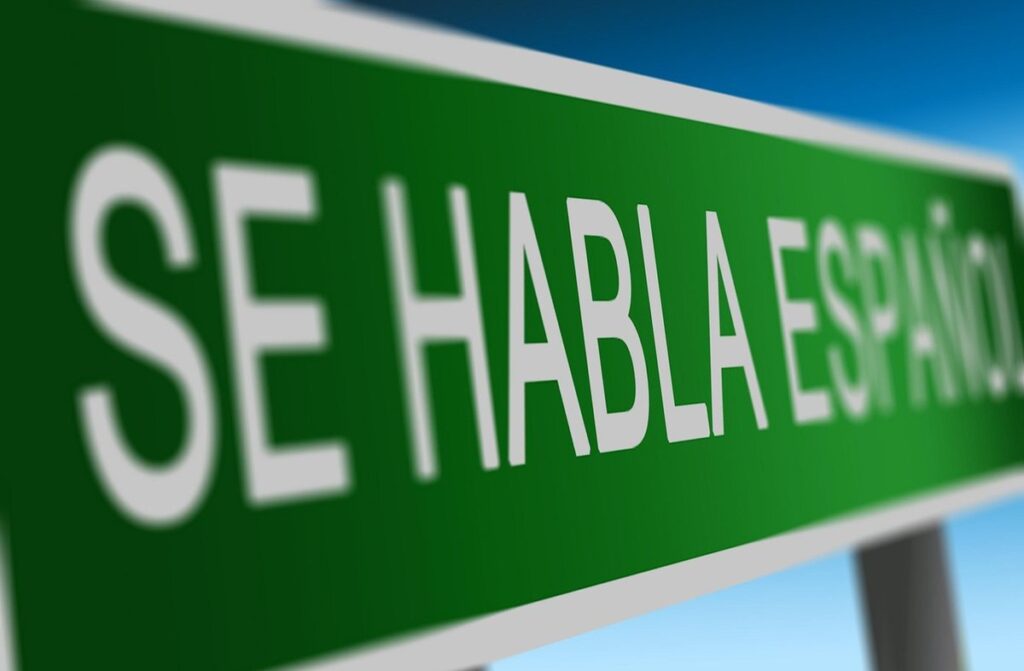
The Origins and Definition of Bilingualism
To understand what it truly means to be bilingual, let’s take a closer look at where the concept originated and how it’s defined in linguistics. This helps us grasp the complexities of language proficiency.
Defining Bilingualism: A Linguistic Perspective
Bilingualism is a complex linguistic phenomenon that encompasses various aspects of language use and proficiency. From a linguistic perspective, bilingualism refers to the ability to speak two languages fluently, with a high level of comprehension and production skills in both languages. To be considered bilingual, an individual must meet specific criteria, such as:
* Reaching a certain level of proficiency in both languages, typically measured through language tests or assessments.
* Demonstrating the ability to switch between languages effortlessly and accurately in various communication contexts.
* Exhibiting a high degree of linguistic accuracy and vocabulary knowledge in both languages.
There are two primary types of bilingualism: simultaneous and sequential. Simultaneous bilingualism occurs when an individual acquires two languages simultaneously from birth or at a very young age, typically through exposure to both languages in the home environment. Sequential bilingualism, on the other hand, involves acquiring one language as a native speaker and then learning another language later in life. Understanding these nuances is essential for accurately defining bilingualism and recognizing its various forms.
History of Bilingual Education and Language Acquisition
The concept of bilingualism has been around for centuries, with early civilizations like ancient Egypt and Greece promoting multilingual education. In the 16th century, Spanish conquistadors introduced indigenous languages to European settlers in the Americas, laying the groundwork for modern language acquisition theories.
Throughout history, researchers have sought to understand how humans acquire multiple languages. In the early 20th century, linguists like Noam Chomsky and Eric Lenneberg proposed the idea of a “critical period” for language acquisition, suggesting that children’s brains are more adaptable to new languages during early development.
The 1960s saw a surge in bilingual education programs, particularly in the United States. The Bilingual Education Act of 1968 provided federal funding for schools to implement dual-language instruction, aiming to close the educational gap between English-speaking and minority students. This legislation marked a significant turning point in language acquisition research and practice.
Key milestones like these have shaped our understanding of bilingualism, from the recognition of linguistic diversity to the development of effective teaching methods. By studying the history of bilingual education and language acquisition, we can better grasp what it means to be bilingual – not just linguistically, but also culturally.
Benefits and Advantages of Being Bilingual
Being bilingual offers numerous benefits, from improved career opportunities to enhanced cognitive abilities. Let’s explore some of the advantages that come with speaking two languages.
Cognition and Brain Development
Being bilingual has been shown to have a profound impact on cognitive development, particularly when it comes to problem-solving skills. This is because bilingual individuals are able to think more creatively and switch between languages with ease. As a result, they tend to outperform their monolingual counterparts in problem-solving tasks.
But the benefits don’t stop there. Bilingualism has also been linked to improved memory and multitasking abilities. A study published in the Journal of Experimental Psychology found that bilingual children perform better on memory tests than their monolingual peers. This is likely due to the increased cognitive load required to switch between languages, which can help strengthen memory and attention.
In practical terms, this means that bilingual individuals are better equipped to handle complex tasks and adapt to new situations. If you’re looking to improve your own problem-solving skills or boost your cognitive abilities, consider immersing yourself in a foreign language and culture. You can start by dedicating just 15-20 minutes per day to language learning, using apps like Duolingo or watching TV shows in the target language. With consistent practice, you may be surprised at the improvements you see in your cognitive abilities.
Career Opportunities and Economic Benefits
Being bilingual opens doors to a world of career opportunities and economic benefits that are hard to ignore. In today’s globalized workforce, employers are looking for candidates who can communicate effectively with clients from diverse linguistic backgrounds. As a bilingual individual, you’ll have a significant advantage over monolingual competitors in the job market.
Studies show that bilingual workers earn an average of 10-15% more than their non-bilingual counterparts. This is because companies value the ability to conduct business in multiple languages, which can lead to increased revenue and competitiveness. With a bilingual skillset, you’ll have greater career flexibility, allowing you to work abroad, switch industries, or take on leadership roles.
To maximize your bilingual benefits, consider highlighting your language skills on your resume, LinkedIn profile, and during job interviews. You can also look for companies that offer language training programs or encourage multilingualism in the workplace. By embracing your bilingual abilities, you’ll unlock a wealth of professional opportunities and set yourself up for long-term career success.
Language Acquisition and Bilingual Development
Language acquisition and bilingual development are closely linked, as a person’s ability to become proficient in one language often affects their learning of another. This can be especially true for young children who start learning two languages simultaneously.
Monolingual vs. Bilingual Children: Developmental Differences
When it comes to language acquisition, there’s often a misconception that bilingual children are at a disadvantage compared to their monolingual counterparts. However, research suggests that bilingual children may have an edge when it comes to developing language skills.
One of the most significant differences between monolingual and bilingual children is vocabulary size. Bilingual children have been found to have larger vocabularies than monolingual children, with some studies suggesting that bilingual children’s vocabularies are up to 20% larger. This is likely due to the fact that bilingual children are exposed to two languages from birth, giving them a wider range of words and expressions to learn.
In terms of grammatical accuracy, bilingual children tend to lag behind monolingual children in their native language but excel in their non-native language. However, by around age 5 or 6, bilingual children catch up with monolingual children in both languages. This is because bilingual children are constantly switching between two languages, which helps them develop a more nuanced understanding of grammatical structures.
In terms of pronunciation, bilingual children may struggle at first to perfect the sounds and intonations of each language, but they tend to compensate by developing strong phonological awareness – the ability to recognize and manipulate the sounds within words. This can actually give bilingual children an advantage when it comes to learning new languages later in life.
By embracing bilingualism from a young age, parents can provide their children with a unique set of skills that will serve them well throughout their lives. So, if you’re considering raising your child bilingual, don’t worry – you’re giving them the gift of a rich and diverse linguistic heritage!
Strategies for Bilingual Parents and Caregivers
As bilingual parents and caregivers, supporting your child’s language development can be both exciting and challenging. To create a bilingual home environment that fosters language growth, it’s essential to establish routines and habits from the outset.
When introducing two languages at home, it’s crucial to strike a balance between both. Allocate specific times for each language, such as using one language in the morning and the other in the evening. This helps your child associate each language with different contexts and people. For instance, you might use Spanish during breakfast and English during dinner.
Another key aspect is being consistent. Stick to the languages you’ve designated for each situation, even if it means switching between them frequently. Your child will appreciate this predictability and begin to develop a strong sense of linguistic identity.
When it comes to language choice, don’t be afraid to make mistakes. Experiment with different dialects, vocabulary, and grammatical structures to create a rich linguistic environment. Encourage your child’s curiosity by asking questions like “What do you think the word for ‘apple’ is in Spanish?” or “Let’s learn a new verb together.” By embracing this flexibility, you’ll not only support your child’s language development but also promote a lifelong love of languages and cultural exploration.
Common Misconceptions About Being Bilingual
Being bilingual is often misunderstood, and it’s easy to get caught up in common misconceptions. Let’s set the record straight on what it really means to be fluent in two languages.
The “Language Confusion” Myth
One of the most pervasive misconceptions about bilingual children is that they’re constantly confused or mixed up about their languages. This so-called “language confusion” myth has led many parents to worry that their child’s bilingualism will hinder their ability to communicate effectively.
In reality, research shows that bilingual children are no more likely to experience language confusion than monolingual children. In fact, studies have demonstrated that bilingual kids are actually better at distinguishing between languages and switching between them as needed. For example, a study published in the Journal of Child Language found that bilingual children were able to switch between their two languages with ease, even when speaking with native speakers.
So how can you help your child avoid language confusion? Start by providing a clear distinction between each language at home – this might mean having separate conversations or using different books and toys for each language. You can also encourage your child to identify the language they’re speaking in (e.g., “we’re speaking Spanish now, let’s use our Spanish words“) to help them develop their metalinguistic awareness.
By doing so, you’ll not only debunk the “language confusion” myth but also give your child the gift of bilingualism with confidence.
The Role of Language in Identity Formation
Language plays a significant role in shaping our identity, and for bilingual individuals, this connection can be particularly strong. Our native language is often tied to our cultural heritage, nationality, and community affiliation. For instance, speaking Spanish may evoke feelings of Mexican or Latin American culture, while speaking Mandarin might connect you to Chinese traditions.
This connection between language and identity is not limited to personal experiences; it also affects how others perceive us. When bilingual individuals switch languages, they often switch identities too, adapting to the cultural nuances and social norms associated with each language. To illustrate this point, consider a bilingual person growing up in the United States who speaks both English and Spanish at home. When interacting with their family, they may use more informal language, but when speaking with friends or colleagues, they may switch to formal English.
To navigate these identity shifts effectively, it’s essential for bilingual individuals to be aware of the cultural connotations associated with each language and to develop a sense of self that transcends linguistic boundaries. By embracing both languages and their respective cultures, bilinguals can maintain a strong connection to their heritage while also adapting to new environments and communities.
Assessing Bilingualism: Tests and Evaluations
When evaluating bilingual abilities, various tests and evaluations come into play to determine an individual’s language proficiency levels. Let’s take a closer look at these assessments together.
Standardized Tests for Bilingual Proficiency
When it comes to measuring bilingual proficiency, standardized tests play a crucial role. These exams assess an individual’s ability to communicate effectively in two languages, providing a comprehensive evaluation of their linguistic skills.
The American Council on the Teaching of Foreign Languages (ACTFL) and the Instituto Cervantes are among the most well-known organizations offering standardized tests for bilingual proficiency. The ACTFL Oral Proficiency Interview (OPI) assesses speaking skills in multiple languages, including Spanish, French, German, and many others. On the other hand, the DELE (Diploma de Español como Lengua Extranjera) exam evaluates reading comprehension, writing, listening, and speaking abilities in Spanish.
While these tests are not a one-size-fits-all solution, they offer valuable insights into an individual’s bilingual capabilities. For instance, the ACTFL’s OPI has been used by employers to assess language proficiency for job applicants or by schools to evaluate student progress in foreign language classes. By taking these exams, individuals can gain a deeper understanding of their strengths and weaknesses, making them more effective communicators in both languages.
It’s essential to note that these tests are not meant to be intimidating; rather, they provide an opportunity for growth and self-improvement. By incorporating standardized testing into your assessment strategy, you’ll get a clearer picture of what it means to be bilingual.
The Challenges of Measuring Bilingual Ability
Measuring bilingual ability can be a complex and nuanced task. One of the main challenges is that there is no one-size-fits-all test for bilingualism. Language proficiency tests like TOEFL or IELTS assess reading, writing, speaking, and listening skills, but they often focus on monolingual standards, which may not accurately reflect the abilities of bilingual individuals.
Another challenge is that language ability can vary greatly depending on context. A person who is highly proficient in a foreign language in one situation (e.g., work or travel) may struggle to communicate in another situation (e.g., with family members). This is why contextual factors, such as the individual’s life experience and language use patterns, are crucial when assessing bilingual ability.
To accurately measure bilingualism, evaluators must consider not only linguistic skills but also the individual’s cognitive flexibility, metalinguistic awareness, and ability to navigate multiple languages in different contexts. By taking a more holistic approach that incorporates contextual factors, we can gain a more accurate understanding of an individual’s bilingual abilities and provide better support for language learners.
Conclusion: Embracing Bilingualism in a Globalized World
As we conclude our exploration of what bilingual means, let’s reflect on how embracing multiple languages can enrich our lives and open doors to new opportunities.
Encouraging Language Learning and Use
As we wrap up our exploration of what it means to be bilingual, let’s talk about how to encourage language learning and use. As a bilingual individual yourself or as someone who wants to become one, you know the benefits that come with speaking multiple languages. But how can we promote this skill on a larger scale?
Firstly, community-based initiatives play a significant role in fostering bilingualism. Consider starting a language exchange program at your local library, community center, or school. This allows people from different linguistic backgrounds to meet and practice their language skills together. You could also organize language meetups, where speakers of the same language can gather and converse.
Language exchange programs are another effective way to promote bilingualism. These programs match native speakers with non-native speakers for regular conversations. Not only do they help learners improve their speaking skills, but they also provide a chance for people from different cultures to connect and learn about each other’s ways of life.
When it comes to policy recommendations, governments can encourage bilingualism by implementing language education programs in schools. This will not only prepare students for an increasingly globalized world but also provide them with valuable career opportunities. Additionally, workplaces can promote bilingualism by offering language training or encouraging employees to use their second language in the workplace.
Lastly, we can all contribute to promoting bilingualism by using our language skills in everyday life. Whether it’s ordering food at a restaurant, watching TV shows or movies in another language, or engaging with locals when traveling abroad, every interaction counts. By making an effort to practice and use our languages regularly, we can create a ripple effect that encourages others to do the same.
Frequently Asked Questions
Can I be considered bilingual if I’m not fluent in one of my languages?
Yes, it’s possible to be considered bilingual even if you’re not fluent in one of your languages. However, proficiency levels can vary greatly among individuals, and the key aspect is being able to communicate effectively in both languages.
How do language acquisition and development differ between monolingual and bilingual children?
Research suggests that bilingual children develop cognitive skills, such as metalinguistic awareness and executive function, more rapidly than their monolingual peers. This accelerated development can be attributed to the constant switching between languages, which enhances problem-solving abilities.
Are standardized tests for bilingual proficiency effective in measuring true language ability?
Standardized tests have limitations when it comes to assessing bilingualism. They often focus on individual aspects of language use, such as reading or writing, without considering the complex interplay between language and cognition.
Can being bilingual impact my career opportunities beyond what’s covered in this article?
Yes, speaking multiple languages can significantly enhance job prospects and salary potential across various industries, including international business, diplomacy, education, and healthcare. The value of bilingualism extends far beyond the benefits mentioned in this article.
How can I effectively communicate with family members or caregivers who may not speak my target language?
To overcome language barriers when communicating with non-proficient family members or caregivers, try using visual aids like pictures, gestures, or simplified phrases to convey your intended message.