
When you think of Poland, you might imagine the stunning architecture, rich history, or delicious pierogi. But have you ever wondered what language do they speak in Poland? Polish is the official language of Poland, spoken by around 45 million people worldwide. But did you know that it has a fascinating history, with its own set of regional dialects and minority languages? In this article, we’ll delve into the world of Polish language, exploring its significance in education, media representation, and everyday life. We’ll also examine the challenges facing the Polish language in today’s globalized world. From its roots to its modern-day usage, we’ll uncover everything you need to know about the official language of Poland and why it matters.
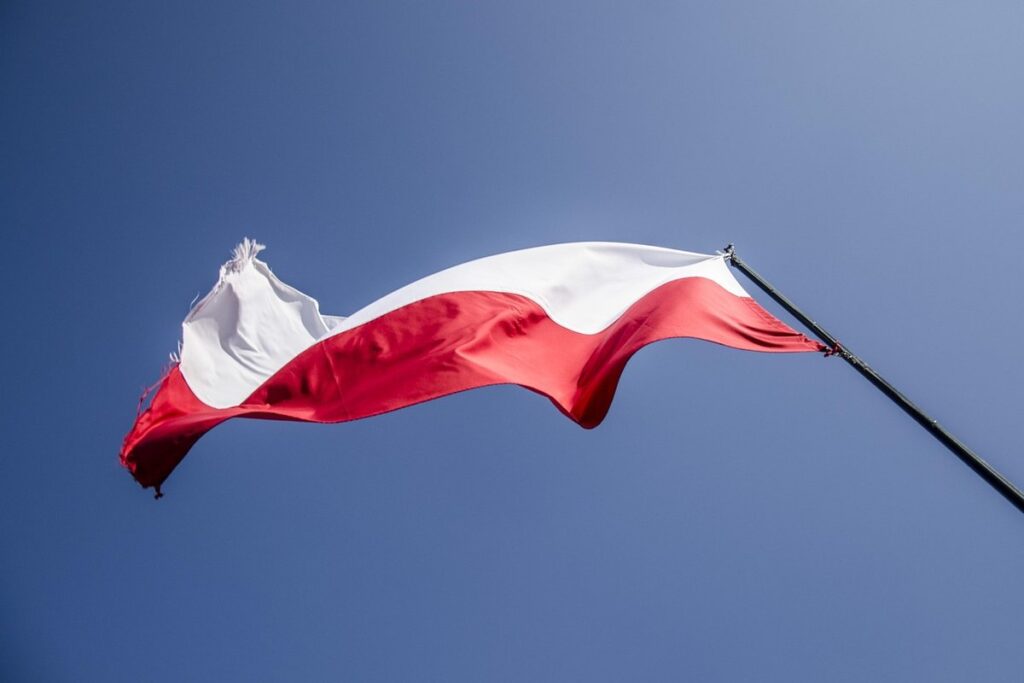
The Official Language of Poland
Poland has a rich linguistic history, and its official language is one that’s widely spoken across the country by its citizens. You’ll learn all about it in this next part!
Overview of Polish as an Official Language
Polish is the official language of Poland and has been since 1920. It’s spoken by approximately 45 million people worldwide, with a vast majority residing within Poland’s borders. This Slavic language is part of the West Slavic branch and shares similarities with languages like Czech and Slovak.
In terms of grammar, Polish uses a complex system of cases to convey grammatical relationships between words. There are seven cases in total: nominative, genitive, dative, accusative, instrumental, locative, and vocative. This can make the language challenging for English speakers to learn, but it also allows for greater expressiveness.
Polish vocabulary is also distinct from other languages, with many loanwords borrowed from German, French, and Latin. However, a significant portion of Polish words are derived from Proto-Slavic roots. If you’re planning to communicate in Polish, learning basic phrases like “cześć” (hello), “dziękuję” (thank you), and “przepraszam” (excuse me) can go a long way in making a good impression.
History and Development of the Polish Language
The Polish language has a fascinating history that spans over 1,000 years. Its roots date back to the Middle Ages, specifically to the 10th century when it emerged as a distinct language from the Slavic languages spoken by various tribes in Eastern Europe. Over time, Polish was influenced by other cultures and historical events, such as the German occupation during World War II, which led to significant changes in its vocabulary.
During the Renaissance, Poland experienced a cultural and linguistic revival, resulting in a rich literary tradition that includes famous writers like Adam Mickiewicz and Juliusz Słowacki. Polish was also shaped by its geographical location, bordering countries such as Germany, Russia, and Ukraine, which introduced loanwords and influenced pronunciation.
Despite these external influences, the Polish language has maintained its unique character and is now spoken by over 45 million people around the world. Its grammar and spelling are distinct from other Slavic languages, making it a valuable addition to the linguistic diversity of Europe.
Dialects of Polish
Polish is a language with many regional variations, and understanding its dialects can make all the difference when navigating everyday conversations. Let’s dive into some of the most common dialects you’ll encounter in Poland.
Regional Variations of Polish
Polish is not spoken uniformly throughout Poland, with various dialects and accents depending on the region. To better understand these regional variations, let’s explore some of the key differences.
In northern Poland, particularly in Gdańsk and surrounding areas, you’ll notice a distinct “Northern Polish” dialect. This dialect is characterized by a more rapid speech rate and distinctive pronunciation of vowels. For instance, the word “żółty” (yellow) sounds more like “zoolty”. People from this region are often proud of their local accent, which has been shaped by the city’s maritime history.
In southern Poland, particularly in Kraków and surrounding areas, you’ll encounter the “Highland Polish” dialect. This dialect is known for its slower speech rate and unique vocabulary, such as using the word “ślepować” (to do something slowly) instead of the standard Polish “spokojnie”. Highland Polish has been influenced by the region’s folk culture.
In central Poland, particularly in Warsaw and surrounding areas, you’ll find a more neutral dialect. This is often considered the most widely understood form of Polish, as it serves as a standard for education and media.
When interacting with locals, being aware of these regional variations can help you better understand their speech and build stronger connections. So, take note: if someone from Gdańsk says “zoolty”, don’t worry – they’re just speaking their local dialect!
Urban vs. Rural Polish Dialects
Polish dialects vary significantly between urban and rural areas, reflecting the country’s rich cultural heritage. In cities like Warsaw and Krakow, you’ll encounter the standard Polish language, also known as “Białystok” or “Warsaw Polish.” This is the most widely spoken dialect in Poland and serves as a common language for communication among people from different regions.
In contrast, rural areas have distinct dialects shaped by their history, geography, and cultural traditions. For instance, the Mazurian dialect spoken in northeastern Poland has a unique accent and vocabulary influenced by its proximity to Lithuania and Belarus. Similarly, the Silesian dialect in southern Poland has undergone significant changes due to centuries of German influence.
While standard Polish is widely understood across regions, regional dialects often carry cultural significance and are an essential part of local identity. Visitors to rural areas can appreciate the unique character of these dialects by engaging with locals and showing genuine interest. By doing so, they’ll not only improve their understanding of the language but also gain a deeper appreciation for Poland’s rich linguistic diversity.
Regional dialects may seem daunting at first, but learning key phrases and words can go a long way in building connections with the local community.
Other Languages Spoken in Poland
While Polish is the official language, you’ll be happy to know that many other languages are also spoken in Poland, including some regional dialects and immigrant languages. Let’s take a closer look at these minority languages.
Minority Languages and Their Communities
Poland is home to several minority languages, each with its own rich history and cultural significance. One of the most prominent minority languages spoken in Poland is Kashubian, which is predominantly spoken by the Kashubians living in the Pomeranian Voivodeship. This language has a unique grammatical structure and vocabulary that sets it apart from Polish.
Another notable minority language is Silesian, spoken by around 500,000 people mainly in southern Poland. Silesian has its own distinct dialects and is closely related to Czech and Slovak languages. Despite being a recognized minority language, Silesian faces challenges in terms of official recognition and support.
German and Ukrainian are also widely spoken among minority communities in Poland. The country’s complex history has led to the presence of these languages, particularly in areas near the borders with Germany and Ukraine. Recognizing and respecting minority languages is essential for fostering cultural diversity and inclusivity within Polish society.
English and Other Foreign Languages
Poland has made significant strides in promoting English language proficiency among its population. According to a 2020 survey by the European Commission, Poland ranks among the top five EU countries for English language proficiency outside of the UK and Ireland. This is particularly evident in urban areas like Krakow and Warsaw where business and tourism have driven demand for English speakers.
Younger generations are also more likely to speak English fluently, with 77% of Polish respondents aged 18-24 reporting that they can converse in English, as per a 2019 Eurobarometer survey. This growing proficiency in English has facilitated communication between Poles and foreign visitors, making it easier for tourists and expats to navigate daily life.
If you’re planning to visit Poland or relocate there, don’t assume that everyone speaks English. While many will attempt to communicate with you in English, it’s still essential to learn basic Polish phrases like “czesc” (hello) and “dziękuję” (thank you). You can also download language learning apps like Duolingo to get started on your Polish language journey.
Polish Language in Education and Media
When it comes to education and media, you’ll find that Polish language plays a vital role in both shaping culture and influencing daily life. Let’s take a closer look at how it is used.
Language Instruction in Polish Schools
In Polish schools, language instruction plays a vital role in preserving and promoting linguistic diversity. The curriculum for teaching Polish is standardized across the country, with a focus on reading, writing, speaking, and listening skills. From primary to secondary education, students learn the nuances of the Polish language through various methods.
Teachers use a combination of traditional classroom instruction and interactive activities to engage students. For instance, they might use multimedia resources, such as videos or podcasts, to teach pronunciation and vocabulary. Additionally, students participate in extracurricular activities like debates, discussions, and language clubs, which help them develop their communication skills.
Student outcomes are impressive, with Polish students consistently ranking high in international assessments of reading and writing proficiency. According to the Programme for International Student Assessment (PISA), Poland’s 15-year-old students scored above average in both reading and literacy in 2018. This success can be attributed to a well-structured curriculum, dedicated teachers, and a culture that values linguistic diversity.
The Polish language is taught with a focus on its cultural context, highlighting the country’s rich history, literature, and folklore. By mastering Polish, students gain not only a valuable skill but also a deeper understanding of the nation’s heritage and traditions.
Media Representation of the Polish Language
The media plays a significant role in shaping public opinion and linguistic attitudes towards Polish language. Television and radio are among the most influential forms of media in Poland, with popular channels such as TVP and Polsat broadcasting mostly in Polish. However, this dominance can also lead to concerns about linguistic homogenization, where regional dialects and minority languages risk being marginalized.
For instance, a 2019 study found that only 15% of children’s television programs on Polish channels catered to non-Polish speaking minorities. This underrepresentation can contribute to the marginalization of linguistic diversity in Poland. On the other hand, print media such as newspapers like Gazeta Wyborcza and Rzeczpospolita provide a platform for Polish language promotion.
To promote linguistic diversity, it’s essential for media outlets to include content catering to minority languages and dialects. Additionally, initiatives like Poland’s National Broadcasting Council can encourage diversity in programming.
Challenges Facing the Polish Language
Despite its rich history and cultural significance, the Polish language still faces numerous challenges that threaten its continued use and relevance in modern times. Let’s explore some of these difficulties up close.
Language Contact and Code-switching
In urban areas of Poland, particularly those with significant migrant populations, language contact and code-switching are becoming increasingly common. This phenomenon can be observed in major cities like Warsaw, Krakow, and Poznan, where people from diverse linguistic backgrounds interact with one another on a daily basis.
As a result, Polish is often exposed to various languages such as English, Russian, Ukrainian, and others spoken by migrant communities. For instance, a Polish person working in the service industry may switch between Polish and English when interacting with customers from abroad. This code-switching can be seen as a practical response to communication needs, but it also raises concerns about language erosion and loss of cultural identity.
Studies have shown that language contact can lead to linguistic diversity, enriching the cultural landscape of Poland. However, it is essential for speakers to strike a balance between embracing new languages and preserving their native tongue. Practical strategies include setting aside dedicated time for Polish conversation with family or friends, engaging in language learning activities, and supporting initiatives promoting linguistic diversity and multilingualism. By adopting these approaches, Poles can harness the benefits of language contact while safeguarding their cultural heritage.
Language Standardization and Preserving Regional Dialects
In recent years, efforts have been made to standardize Polish language while promoting regional dialects. This initiative aims to strike a balance between preserving linguistic diversity and ensuring national unity. Standardization involves establishing a common set of rules for grammar, spelling, and vocabulary across Poland, making it easier for people from different regions to communicate.
However, this process also risks eroding the unique cultural heritage associated with regional dialects. For instance, in northern Poland, residents speak a distinct dialect known as “Kaszubian,” which has its own phonetic characteristics and vocabulary. To preserve these dialects, language experts are working with local communities to document their linguistic traditions and develop programs to teach them to younger generations.
As a result of these efforts, regional dialects are being recognized and protected by Polish authorities. For example, the Kashubian language has been officially designated as a minority language in Poland, acknowledging its importance as part of the country’s cultural heritage. This recognition not only helps preserve linguistic diversity but also promotes national identity and pride among Poles from different regions.
Conclusion
In conclusion, understanding the language spoken in Poland is essential for any traveler or expat considering a visit to this beautiful country. Polish is the official language and is spoken by the vast majority of the population. Don’t be discouraged if you don’t speak it fluently – many Poles, especially younger generations, speak English as a second language, making communication relatively easy. However, learning basic Polish phrases will go a long way in showing respect for the culture and people.
When planning your trip to Poland, take some time to learn key phrases like “cześć” (hello), “dziękuję” (thank you), and “przepraszam” (excuse me). This will not only impress locals but also enhance your overall travel experience. Consider downloading a language app or taking a beginner’s course to get started. With a little effort, you’ll be able to navigate Poland like a pro and make the most of your time there.
Frequently Asked Questions
What are the main differences between regional dialects of Polish, and how can I navigate them as a learner?
Polish has several regional dialects, each with its unique characteristics. The most significant differences lie in pronunciation, vocabulary, and grammar. As a learner, it’s essential to understand that while these dialects may differ, they are all mutually intelligible. Focus on learning standard Polish first, and then explore the regional variations as you become more confident.
Can I learn Polish through online resources, or is it best to take a language course in Poland?
You can certainly learn Polish through online resources, such as language learning apps, podcasts, and YouTube channels. However, taking a language course in Poland offers a more immersive experience, allowing you to practice with native speakers and get feedback on your pronunciation.
How common are English speakers who speak Polish, and how easy is it to find language exchange partners?
While there are fewer English-Polish speakers compared to other languages, they still exist, especially among younger people. You can join online language exchange platforms or attend local language meetups to connect with native Polish speakers interested in practicing their English.
Are minority languages spoken in Poland officially recognized, and how do they differ from the standard Polish language?
Minority languages like Silesian, Kashubian, and Lemko are recognized by the Polish government but not as widely spoken as standard Polish. They often share similarities with standard Polish but have distinct grammatical structures and vocabulary.
Can I use Polish in everyday life outside of Poland, or is it primarily a language for cultural heritage purposes?
Polish is becoming increasingly relevant in international contexts, particularly among Central European communities. While its usage may not be as widespread as other languages, you can still find opportunities to use Polish in business, tourism, and education, especially in areas with significant Polish diaspora populations.

