
El Salvador is a country with a rich cultural heritage, but for tourists and business travelers, understanding the local language can be a challenge. While Spanish is the official language spoken by over 99% of the population, there are regional variations and indigenous languages like Nahua and Pipil that add depth to the country’s linguistic landscape. For those interested in exploring El Salvador beyond its beautiful beaches and colonial towns, learning about the language will greatly enhance their experience. In this article, you’ll learn about the official language, Spanish, as well as other languages spoken in the country, including indigenous languages like Nahua and Pipil. By the end of this post, you’ll have a better understanding of how language impacts tourism and business in El Salvador, allowing you to communicate effectively with locals and make the most out of your trip or business venture.
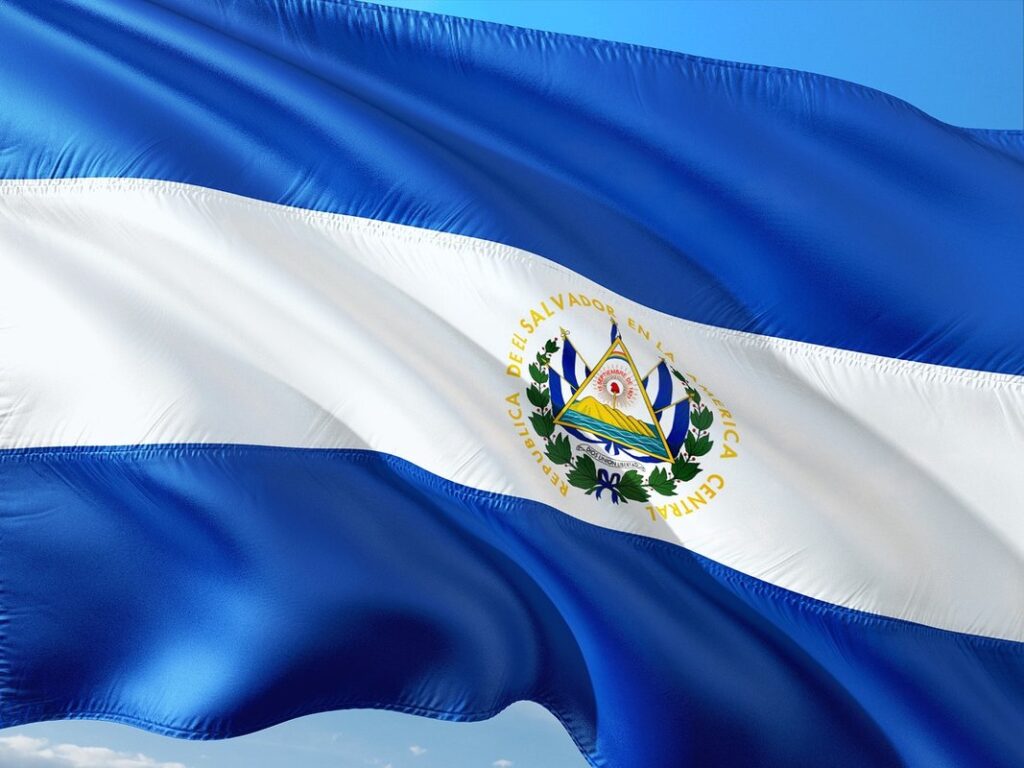
Overview of El Salvador’s Language Scene
El Salvador is a predominantly Spanish-speaking country, but there are also some indigenous languages spoken by its people, particularly in rural areas. Spanish is the primary language used for daily life and communication.
Official Recognition and Usage
Spanish is recognized as the official language of El Salvador, and its widespread usage permeates various aspects of Salvadoran life. In government, Spanish is the primary language used for administrative purposes, with all official documents, policies, and announcements published exclusively in this language. Education also plays a significant role in promoting Spanish, as it’s the medium of instruction in schools nationwide.
In media, Spanish dominates television, radio, and print outlets, with most news programs, talk shows, and entertainment programs broadcast solely in Spanish. Even in informal settings, such as street vendors, markets, and community gatherings, Spanish is the predominant language used for communication.
The widespread recognition and usage of Spanish are largely due to the country’s historical ties with Spain and its subsequent cultural influence. Today, speaking Spanish is not only essential for everyday interactions but also a crucial aspect of participating in El Salvador’s social, economic, and civic life. As a result, visitors and residents alike can expect to use Spanish as their primary means of communication when interacting with locals, accessing government services, or engaging with the media.
Historical Background on Language Use
El Salvador’s language landscape has been shaped by its rich cultural heritage and complex history. Prior to the arrival of Spanish colonizers, indigenous languages such as Nahua and Pipil were spoken throughout the region. These languages continue to influence the country’s linguistic identity, with many place names, surnames, and traditional expressions reflecting their origins.
The colonial era saw the introduction of Spanish, which became the dominant language for communication, governance, and education. As a result, indigenous languages were gradually replaced by Spanish, leading to a decline in their use and preservation. However, many Salvadorans still maintain strong connections to their indigenous roots, with some communities continuing to speak Nahua or Pipil as their primary language.
Today, the legacy of colonial-era Spanish can be seen in El Salvador’s unique dialects and linguistic nuances. For example, the country’s distinctive “El Salvadoran Spanish” has absorbed elements from indigenous languages, resulting in a distinct phonetic and grammatical profile that sets it apart from other Latin American countries.
The Role of Spanish in Everyday Life
Spanish plays a vital role in everyday life in El Salvador, and understanding its significance is key to fully appreciating the country’s culture. From conversations on the street to business interactions, Spanish is the dominant language spoken by locals.
Communication and Daily Interactions
In everyday conversations, Spanish is the primary language used among the population. You’ll find it prevalent in markets, shops, and street interactions. Locals often use colloquial expressions and idioms to convey meaning, making communication a dynamic experience for visitors. In business transactions, Spanish is also widely employed, especially in formal settings like banking and government offices.
While some locals may speak English, particularly in tourist areas or among younger populations, Spanish remains the dominant language in daily interactions. Understanding basic phrases and vocabulary can go a long way in building connections with the local community. For instance, knowing how to greet someone properly (“Buenos días” for good morning) or asking for directions (“¿Dónde está…?”) can show respect for the culture.
In practice, it’s not uncommon for locals to switch between Spanish and English during conversations, especially when discussing tourism-related topics. However, attempting to communicate in Spanish will be met with appreciation and may even lead to a more authentic experience. To get started, focus on learning essential phrases and vocabulary, which can be found in language learning resources or through local language exchange programs.
Regional Variations and Dialects
El Salvador’s regional variations and dialects are shaped by its diverse geography and cultural heritage. In urban areas like San Salvador, the capital city, you’ll hear a more standardized form of Spanish, often influenced by formal education and media. This is particularly evident in business settings, where professionals use a more polished vocabulary to convey complex ideas.
In contrast, rural areas tend to preserve traditional dialects that reflect their distinct history and customs. For example, the northern region’s “caraqueño” dialect has its own unique pronunciation and idioms, which may be unfamiliar to visitors from other parts of the country. In these areas, you’re more likely to hear local expressions and colloquialisms that showcase the community’s identity.
To effectively communicate in rural El Salvador, it’s essential to be open-minded and adaptable. Pay attention to local customs and language patterns, and try to learn a few basic phrases in each region you visit. This will not only show respect for the culture but also facilitate meaningful interactions with locals. By embracing regional variations and dialects, you’ll enhance your travel experience and gain a deeper understanding of El Salvador’s rich linguistic diversity.
Other Languages Spoken in El Salvador
El Salvador is a culturally rich country where you’ll find many languages spoken beyond its official ones. You’ll discover other widely-spoken languages that have become an integral part of the nation’s identity.
Indigenous Languages: Nahua and Pipil
Nahua and Pipil are two indigenous languages spoken in various parts of El Salvador. These languages belong to the Mayan language family and have a rich history in the region. Nahua was traditionally spoken by communities in the western part of the country, while Pipil is prevalent in the central and eastern areas.
In terms of current usage, it’s estimated that around 5-10% of the population speaks these languages as their first or second language. This number may be higher among older adults who have grown up speaking these languages at home. However, both Nahua and Pipil are considered endangered due to the increasing influence of Spanish.
Efforts have been made to preserve and promote these languages through cultural events and education programs. Many communities celebrate indigenous festivals and traditions that showcase their language and customs. For those interested in learning more about these languages, there are some language classes and workshops available, often led by local community members or linguists. These initiatives not only help maintain the linguistic heritage of El Salvador but also contribute to a greater understanding and appreciation of the country’s cultural diversity.
English and Other Foreign Languages
El Salvador’s younger population and expatriate community are increasingly embracing English and other foreign languages. Many young people recognize the value of speaking English as a means to improve their job prospects and access better education opportunities. Expats, too, often choose to learn Spanish and other local languages to deepen their understanding of El Salvadoran culture.
You’ll find English language schools and courses catering to this demand, especially in San Salvador, Santa Ana, and Antigua. Some institutions offer specialized programs for expatriates, which focus on practical conversation skills and cultural immersion. Additionally, many universities now include English as a mandatory subject in their curricula.
Other foreign languages gaining traction include French, German, and Chinese, primarily due to the country’s growing trade relationships with these nations. While still relatively rare compared to Spanish, proficiency in multiple languages can significantly enhance one’s career prospects and provide a competitive edge in El Salvador’s increasingly globalized economy.
Impact on Tourism and Business
As you consider visiting El Salvador, it’s essential to understand how the official languages will affect your experience as a tourist. We’ll explore the impact of Spanish and indigenous languages on tourism and business in this country.
Language Barriers for Tourists
For tourists visiting El Salvador, navigating the local language can be a significant challenge. Spanish is the predominant language spoken by most locals, and while many residents speak some English, particularly in tourist areas, communication barriers still arise. A small percentage of the population speaks indigenous languages such as Nahua and Pipil, but these are not commonly used for tourism purposes.
To overcome language barriers, tourists can utilize various resources. Many hotels, restaurants, and tour operators employ staff who speak basic English or have translated menus and signage available. Additionally, some locals, particularly younger people, may be more proficient in English due to increased exposure through social media and international travel.
When interacting with locals, consider carrying a translation guide or using a mobile app that provides phrasebook functionality. This can help facilitate communication and ensure that you’re getting the correct information about attractions, restaurants, and other services.
Importance in International Trade and Commerce
Language proficiency plays a crucial role in international trade and commerce between El Salvador and other countries. Businesses that can communicate effectively with local suppliers, partners, and customers have a significant advantage over those that struggle to navigate language barriers.
El Salvador’s proximity to its Central American neighbors, as well as its growing economic ties with the United States, make language proficiency an essential skill for entrepreneurs and exporters. A lack of fluency in Spanish or other regional languages can lead to misunderstandings, miscommunications, and ultimately, lost business opportunities.
In reality, many international trade agreements rely heavily on clear communication between parties. For instance, customs clearance procedures, product labeling requirements, and even tax documentation often necessitate a working knowledge of the local language. Companies that invest in language training for their employees can reap benefits such as improved customer relationships, increased market share, and enhanced competitiveness.
To overcome language barriers, businesses may consider partnering with locally based companies or hiring bilingual staff. Additionally, they can utilize translation services, online tools, and other resources to facilitate communication with local stakeholders.
Education System and Language Instruction
El Salvador’s education system plays a vital role in shaping its language landscape, particularly when it comes to teaching Spanish. Understanding how Spanish is taught in schools gives insight into the country’s linguistic identity.
Spanish as a Second Language
Spanish as a Second Language plays a vital role in El Salvador’s education system. The country has implemented bilingual education programs, which combine Spanish with English language instruction. This approach aims to equip students with a strong foundation in both languages, making them more competitive in the global job market.
In these programs, students typically begin learning English from an early age, usually around 6-7 years old. The curriculum is designed to gradually increase the amount of English taught as students progress through the grades. By the time they reach high school, students are expected to have a solid grasp of both languages.
The Ministry of Education has set standards for language instruction, which include regular assessments and evaluations to monitor student progress. Teachers must meet specific certification requirements in both Spanish and English to be eligible to teach in these bilingual programs. This ensures that students receive quality instruction in both languages.
Language Learning Resources and Support
For learners looking to improve their Spanish skills, several language schools and online courses are available. One option is the Instituto Nacional de Aprendizaje (INA), which offers free and paid courses for both children and adults. Additionally, many private language schools, such as El Salvador’s Centro de Idiomas, provide in-person classes for a fee.
For those who prefer online learning, platforms like Duolingo, Babbel, and Rosetta Stone offer comprehensive Spanish courses. These resources often include interactive lessons, quizzes, and exercises to help learners practice their speaking, reading, and writing skills. Some government initiatives, like the Ministry of Education’s “Spanish as a Second Language” program, provide free language classes for immigrant children and adults.
It’s worth noting that many community colleges and universities in El Salvador also offer Spanish courses for international students. These programs often include opportunities to practice with native speakers and participate in cultural events. When choosing a language course, consider factors such as the instructor’s qualifications, the curriculum’s focus on local dialects and customs, and any additional resources provided, like textbooks or online materials.
Frequently Asked Questions
How Can I Improve My Spanish Skills for Everyday Life in El Salvador?
To improve your Spanish skills for everyday life in El Salvador, focus on learning colloquial expressions and common phrases used in informal conversations. Listen to local music, watch Salvadoran TV shows or movies with English subtitles, and practice speaking with native speakers as much as possible.
What If I Encounter a Language Barrier While Traveling in Rural Areas?
If you encounter a language barrier while traveling in rural areas, try using visual aids like maps or gestures to communicate. You can also carry a phrasebook or use a translation app on your phone to help bridge the gap. Additionally, consider partnering with a local guide or driver who speaks English.
Can I Use My Existing Language Skills to Get a Job in El Salvador?
Yes, if you have existing language skills in Spanish or other languages, you can leverage them to get a job in El Salvador. However, be aware that some industries may require proficiency in specific languages or dialects, such as Nahua or Pipil for certain government positions. Research the requirements for your desired profession and highlight your relevant language skills in your resume.
How Long Does It Take to Become Fluent in Spanish?
Becoming fluent in Spanish takes time and dedication, but it’s a worthwhile investment for those living and working in El Salvador. Aim to spend at least 1-2 hours per day practicing speaking, writing, and listening to the language. Consider taking a course or working with a tutor to help you stay on track and accelerate your progress.
What If I Want to Learn English as a Second Language in El Salvador?
If you want to learn English as a second language in El Salvador, look for schools or programs that offer English courses specifically designed for expats and locals. Many private language schools and universities offer English instruction, and some even have exchange programs with international institutions. Be sure to research the qualifications and reputation of any program before enrolling.

