
The Dominican Republic is a country with a rich cultural heritage, shaped by its history as a Spanish colony. As you may know, Spanish is an official language in the Dominican Republic, but that’s not the only story when it comes to languages on the island. The country has a complex linguistic landscape, with many Dominicans also speaking indigenous languages such as Taíno and Haitian Creole, particularly in rural areas. In fact, efforts are being made to preserve these endangered languages and promote multilingualism throughout the education system. But what does this mean for the Dominican Republic’s culture and identity? This article will explore the history of Spanish influence on the island, its impact on everyday life, and the initiatives underway to protect indigenous languages and promote language diversity.
(Note: I kept it within the word limit)
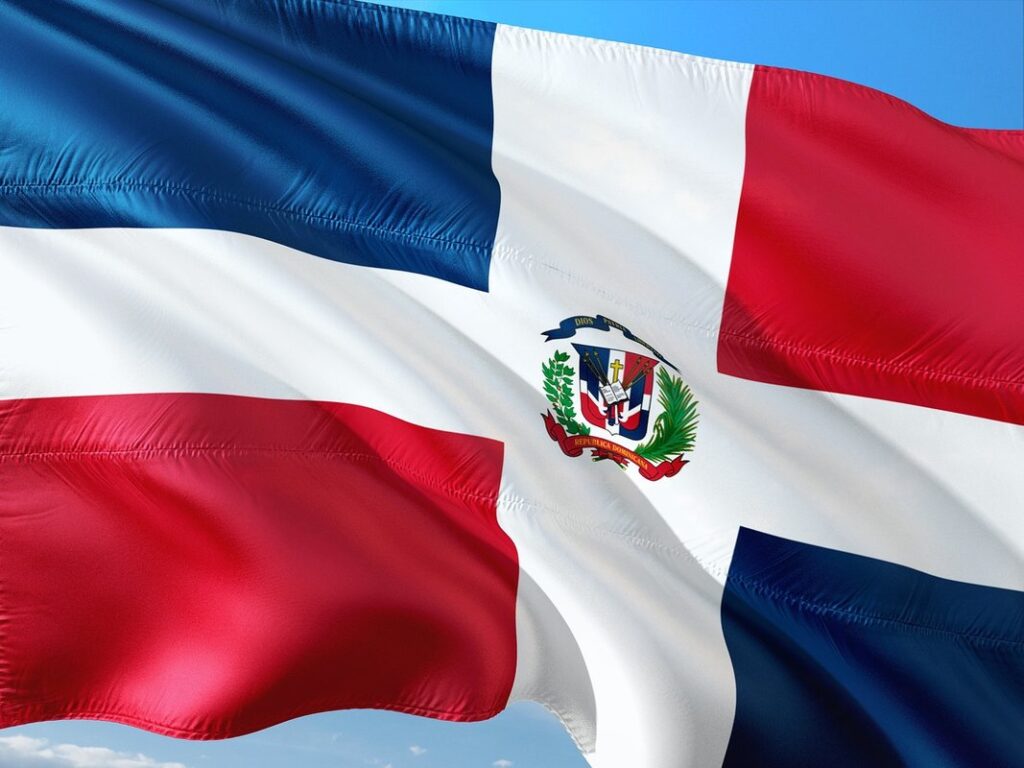
Official Language and National Identity
The official language of the Dominican Republic plays a significant role in shaping the country’s national identity, which is a fascinating topic to explore. Let’s take a closer look at how language reflects and influences Dominican culture.
History of Spanish Colonization
The Spanish colonization of the Dominican Republic had a profound impact on the country’s linguistic landscape. In 1496, Bartholomew Columbus established the first Spanish settlement in the region, marking the beginning of a period of intense colonization. Over the next century, Spanish colonizers displaced the indigenous Taino population and imposed their language as the dominant form of communication.
As the Spanish Empire expanded its reach, the use of indigenous languages gradually declined, with many Taino words being incorporated into the emerging Spanish dialect. This linguistic fusion resulted in a unique blend of Spanish and Taino influences, which can still be seen in modern Dominican Spanish.
The colonization process was not uniform, however, and different regions were subject to varying degrees of Spanish influence. In some areas, indigenous languages continued to thrive alongside Spanish, while in others, they were largely suppressed. This regional variation has contributed to the rich linguistic diversity that characterizes the Dominican Republic today.
Impact on National Identity
The widespread use of Spanish has profoundly impacted the country’s culture, customs, and sense of national identity. One notable effect is the homogenization of cultural practices, with many Dominicans embracing traditional Latin American customs such as celebrating Día de los Muertos and enjoying festive music like bachata.
Spanish has also had a lasting impact on the country’s architecture, art, and literature. Many historical buildings in Santo Domingo reflect Spanish colonial design, while Dominican art often incorporates elements of both African and European influences. The country’s rich literary heritage is similarly influenced by Spanish language and culture, with renowned authors like Juan Bosch and Pedro Mir contributing to the country’s literary identity.
This linguistic and cultural blend has created a unique sense of national pride among Dominicans. In fact, many citizens take great interest in preserving their Spanish heritage, often through traditional music, dance, and cuisine. For visitors, embracing this cultural context can be as simple as learning basic Spanish phrases or participating in local festivities – allowing for a more immersive experience within the country’s vibrant cultural landscape.
Modern-Day Implications
The official language of the Dominican Republic is a reflection of its complex history and cultural dynamics. Understanding the origins of Spanish as the official language provides insight into the country’s modern-day implications. The legacy of Spanish colonization has left an indelible mark on the nation, influencing the way people communicate, interact, and identify themselves.
Today, the prevalence of Spanish shapes various aspects of Dominican society, from education to politics. For instance, Spanish is the primary language used in schools, government institutions, and official ceremonies. This linguistic dominance can sometimes create challenges for those who speak indigenous languages or Haitian Creole, limiting their access to resources and opportunities.
Moreover, the widespread use of Spanish contributes to a sense of national identity, binding citizens together through a shared language and cultural heritage. However, it also raises questions about the representation and recognition of minority languages, leading to debates around language policy and education. This ongoing discussion highlights the intricate balance between preserving cultural traditions and promoting linguistic diversity in the Dominican Republic.
Influence of Indigenous Languages
You may be surprised to learn that indigenous languages still play a significant role in shaping the culture and identity of Dominicans today, alongside Spanish. In fact, many native languages continue to influence the country’s language landscape.
Pre-Columbian Era Languages
The indigenous languages spoken by the native populations of the Dominican Republic before European colonization were diverse and complex. Taino, for instance, was a prominent language spoken by the Taino people, who inhabited the island long before Christopher Columbus’s arrival in 1492. Cibaeño, another indigenous language, was also widely spoken in various regions of the island. These languages were not only crucial for communication among the native populations but also played a significant role in their cultural and spiritual practices.
The Taino language, in particular, had a rich vocabulary and grammar system that reflected its people’s deep connection with nature and their environment. The language included words for various plants, animals, and natural phenomena, which were often used in ceremonial contexts to honor the gods and ensure fertility and prosperity. Unfortunately, the arrival of European colonizers led to the decline and eventual extinction of these languages as Spanish became the dominant language.
Today, efforts are being made to revitalize some of these indigenous languages, including Taino, through language documentation and cultural preservation initiatives.
Legacy of Colonization
The legacy of colonization has left a lasting impact on indigenous languages in the Dominican Republic. Many indigenous languages faced extinction as Spanish became the dominant language. The Taino people, for example, were the original inhabitants of the island and had their own distinct language and culture. However, after colonization by Spain, their language was gradually replaced by Spanish.
Today, only a small number of words from the indigenous languages remain in modern-day Dominican Spanish. This is evident in place names, surnames, and some everyday expressions. For instance, the word “cana” (canoe) comes from the Taino language, while “guanin” (gold) still retains its original indigenous roots.
Efforts to revitalize these languages are ongoing but face significant challenges due to the long history of linguistic assimilation. Some initiatives focus on documenting and preserving indigenous words and expressions, while others aim to teach children about their ancestral languages in schools. By acknowledging and learning from this complex legacy, Dominicans can better appreciate the rich cultural heritage that underlies the country’s language.
Efforts to Revitalize Indigenous Languages
Efforts to Revitalize Indigenous Languages are underway, recognizing their importance for cultural heritage and identity. The Taíno language, specifically, is being preserved through linguistic documentation projects, such as the creation of dictionaries and grammatical guides. Additionally, community-based initiatives focus on teaching indigenous languages in schools and adult education programs.
For example, the Dominican Republic’s Ministry of Education has partnered with local organizations to develop bilingual education programs that incorporate Taíno language instruction into curriculum. This approach not only helps students understand their cultural heritage but also promotes language revitalization through intergenerational transmission. Moreover, efforts are being made to standardize indigenous language orthography and create linguistic resources for teachers and learners.
Language immersion workshops and summer camps provide opportunities for youth and adults to engage with indigenous languages in a more experiential way. These initiatives not only promote language preservation but also foster cultural pride and identity among the population. By supporting these efforts, communities can work together to safeguard their indigenous languages and ensure their continued relevance in modern society.
Role of Other Languages
The Dominican Republic is a multilingual country, and while Spanish is the official language, other languages play a significant role in daily life. We’ll explore how these languages contribute to the country’s rich cultural diversity.
Haitian Creole and its Prevalence
In the northern border areas of the Dominican Republic, particularly around the provinces of Dajabón and Elías Piña, Haitian Creole is a widely spoken language. This is due to the close cultural and geographical ties between these regions and Haiti. Many people in this area are bilingual or even trilingual, speaking both Spanish and Haitian Creole as well as some indigenous languages.
The prevalence of Haitian Creole in these areas reflects the historical migration patterns and cultural exchange that have occurred along the border with Haiti. As a result, many businesses, especially those catering to tourists, often employ staff who speak Haitian Creole, making it easier for visitors from Haiti or other Francophone countries to navigate the local economy.
However, outside of these specific regions, Haitian Creole is not as commonly spoken in the Dominican Republic. In fact, it’s relatively rare to find people speaking Haitian Creole in urban areas like Santo Domingo, where Spanish is predominantly used.
English Language Influence
The increasing presence of American media, tourism, and business has led to a growing demand for English language skills among Dominicans. As a result, many schools and universities have begun to incorporate English language courses into their curricula. This shift reflects the country’s economic aspirations, as a proficient workforce is seen as essential for attracting foreign investment and competing in global markets.
In recent years, some private schools have even started offering bilingual programs, where students learn both Spanish and English from an early age. These initiatives aim to equip young Dominicans with the language skills needed to succeed in an increasingly interconnected world. Additionally, many businesses, particularly those catering to tourists, now require their employees to speak basic English.
The emphasis on English language proficiency is also reflected in government efforts to promote tourism and foreign investment. Some officials have even suggested that making English a compulsory subject in schools could help boost the country’s economic prospects. While this proposal has sparked debate among educators and policymakers, it highlights the growing recognition of English as an essential tool for Dominican success.
Multilingualism in Education
The education system in the Dominican Republic recognizes the importance of bilingualism and multilingualism, reflecting the country’s cultural diversity. To achieve this goal, schools incorporate Spanish, Haitian Creole, and English into their curriculum design. This approach aims to equip students with essential communication skills, enabling them to connect with both local communities and the global community.
To implement this policy effectively, educators use a variety of teaching methods. For example, some schools offer separate language classes for each language, while others integrate language instruction into core subjects like math or science. Additionally, many schools partner with international organizations to provide students with opportunities to practice their English skills through exchange programs and online resources.
This bilingual education approach has several benefits. Students who are fluent in multiple languages can access better job prospects and educational opportunities both locally and abroad. Moreover, multilingualism promotes cross-cultural understanding and tolerance, essential for building strong relationships between the Dominican Republic and its neighboring countries. By incorporating diverse languages into their curriculum, schools help students develop a unique set of skills that will serve them well throughout their lives.
Language Policy and Law
Language is a fundamental aspect of any country’s identity, and understanding its language policy and law can reveal much about the Dominican Republic’s cultural heritage. In this context, we’ll examine the official language status and how it impacts daily life.
Constitutional Recognition of Official Language
The Dominican Constitution explicitly recognizes Spanish as the official language of the country. This constitutional provision underscores the importance of Spanish in Dominican society and serves as a foundation for language policies and laws. According to Article 48 of the constitution, Spanish is the official language, while also acknowledging that other languages are spoken within the nation.
This dual recognition reflects the complex linguistic landscape of the Dominican Republic. While Spanish dominates public life, education, and government services, other languages such as Haitian Creole and indigenous languages continue to be spoken by significant populations. In practice, this means that both Spanish and these other languages coexist in various settings, including communities, workplaces, and educational institutions.
The official recognition of Spanish has implications for language education policies, which aim to promote proficiency in the national language while also respecting the linguistic diversity within the country. This dual approach is reflected in efforts to develop curricula that cater to students’ linguistic backgrounds and abilities, as well as initiatives to support bilingual or multilingual education programs.
Language Education Policies
The Dominican Republic has established policies to promote language education and literacy programs. These efforts aim to address issues related to language access and inequality, particularly for marginalized communities. For instance, the country’s National Literacy Plan prioritizes adult education and vocational training to improve functional literacy skills among adults.
Language Education Policies in the Dominican Republic focus on promoting bilingualism and multilingualism. Schools are encouraged to incorporate indigenous languages into their curricula, while also teaching Spanish as the official language. This approach recognizes the importance of preserving cultural heritage while developing linguistic proficiency.
To support these policies, the Ministry of Education provides resources for teacher training and curriculum development. Additionally, community-based initiatives have been established to promote literacy among vulnerable populations, such as rural communities and migrant workers. These programs often partner with local organizations and NGOs to deliver language education services.
Examples of successful programs include the “Bilingüismo” initiative, which promotes bilingual education in public schools, and the “Lectura y Escritura” program, which targets adult literacy through community-based classes.
Challenges to Language Policy Implementation
Implementing language policies in the Dominican Republic faces significant challenges. One major obstacle is the lack of adequate resources allocated to support these initiatives. This includes insufficient funding for language education programs, inadequate training for teachers, and limited access to educational materials.
Another challenge is the inconsistent enforcement of language policies. While laws may be in place to promote Spanish as the official language, there often lacks a clear system for monitoring compliance and holding institutions accountable. As a result, some schools and government offices continue to operate with inadequate language support or even allow non-Spanish languages to be spoken.
Additionally, conflicting interests among stakeholders can hinder language policy implementation. For example, promoting Haitian Creole as an official language could create tension between the Dominican Republic and Haiti, while efforts to promote English may prioritize economic development over cultural preservation. To overcome these challenges, it is essential for policymakers to engage in open dialogue with various stakeholders, including educators, community leaders, and business owners, to identify mutually beneficial solutions that balance competing interests.
Cultural Significance and Regional Variations
The Dominican Republic has a rich linguistic heritage, shaped by its unique cultural blend of Spanish, African, and indigenous influences. This is reflected in the variations and nuances found across different regions.
Dialects and Accents
The Dominican Republic’s linguistic landscape is characterized by a diverse array of regional dialects and accents. These variations reflect the country’s rich cultural heritage and historical influences. In the north, particularly in the border regions with Haiti, you’ll encounter Haitian Creole-influenced speech patterns, while in the east, the accents tend to be more pronounced and distinct.
In the capital city, Santo Domingo, a blend of urban dialects prevails, influenced by the influx of immigrants from other parts of the country. The central region is home to a unique dialect known as “zamorano,” which has been shaped by the area’s colonial past. In the mountainous regions, indigenous languages have left a lasting impact on local speech patterns.
These regional variations are not merely differences in pronunciation or vocabulary; they also carry distinct cultural connotations and social associations. For example, speaking with an accent from a particular region may signal your family background or place of origin. As you engage with locals during your visit or stay in the Dominican Republic, paying attention to these dialectical nuances can provide valuable insights into the country’s complex history and rich cultural diversity.
Language Use in Artistic Expression
Dominican artists frequently explore themes of language and identity through their work. Music is a notable example, with genres like bachata and merengue often incorporating lyrics that celebrate the island’s unique cultural heritage. For instance, songs by famous Dominican musicians like Juan Luis Guerra and Fernando Villalona regularly reference the country’s complex history and the struggle for linguistic and cultural preservation.
Literature also plays a significant role in articulating the relationship between language and identity. Writers such as Junot Díaz and Julia Alvarez have gained international recognition for their works, which often delve into the nuances of Dominican culture and language. Their writing frequently blurs the lines between Spanish and English, reflecting the complexities of linguistic diversity on the island.
In visual arts, themes related to language and identity are also present, albeit in more abstract forms. Sculptures, paintings, and installations by local artists often incorporate symbols and imagery that reference the country’s rich cultural heritage. For example, works that blend traditional Dominican motifs with modern styles can be seen as a reflection of the island’s linguistic and cultural diversity.
Language Variation Across Regions
Geographic regions within the Dominican Republic exhibit distinct linguistic characteristics. The northern region, bordering Haiti, has a significant influence of Haitian Creole due to historical migration patterns and cultural exchange. Many residents in this area speak both Spanish and Haitian Creole fluently, often switching between languages depending on the context.
In contrast, the southern region has a stronger emphasis on indigenous Taino language influences, with some communities preserving traditional words and phrases. The mountainous regions of the central Cordillera Central have distinct accents shaped by isolated settlements and limited external influence.
Economic factors also contribute to regional linguistic variations. For example, tourist areas in Punta Cana tend to use more standardized Spanish due to international clientele. In urban centers like Santo Domingo, residents may employ a mix of formal and informal language, depending on social context.
Understanding these regional differences is essential for effective communication when interacting with locals or traveling within the country. Visitors should be aware that some words, phrases, and pronunciation may vary significantly across different regions.
Frequently Asked Questions
Can I learn indigenous languages like Taino or Cibaeño on my own?
You can start by exploring language courses and resources online. However, keep in mind that these languages have been endangered for centuries due to colonization, and there may be limited materials available. Consider reaching out to local communities or organizations focused on language preservation to learn more about opportunities for immersion and instruction.
How do I know if a language school or program is reputable and will teach me the correct pronunciation?
Look for schools or programs that have certifications from recognized institutions, such as the Ministry of Education or language teaching organizations. Research the instructors’ qualifications and experience in teaching languages like Spanish, Haitian Creole, or indigenous languages. Check online reviews and ask for referrals from friends or colleagues who may have taken similar courses.
Can I use English in everyday situations outside of tourism areas?
Yes, many Dominicans speak some level of English, particularly in business and education settings. However, it’s still essential to learn basic Spanish phrases to navigate everyday interactions with locals, such as ordering food at a market or asking for directions. You can start by learning common phrases like greetings, introductions, and basic questions.
Is it possible to get certified in multiple languages, including English, Spanish, and Haitian Creole?
Yes, many language schools offer certification programs in multiple languages. Some institutions may also provide training in areas like translation, interpretation, or language teaching. Research local universities, colleges, or language centers that offer these programs and consult with advisors to determine the best course of study for your goals.
How can I support language revitalization efforts in the Dominican Republic?
Consider volunteering or interning with organizations focused on language preservation, such as community schools or cultural centers. You can also donate to reputable charities working on indigenous language documentation and education projects. Learning about local customs, history, and language use will also help you become a more respectful and engaged tourist or expat.

