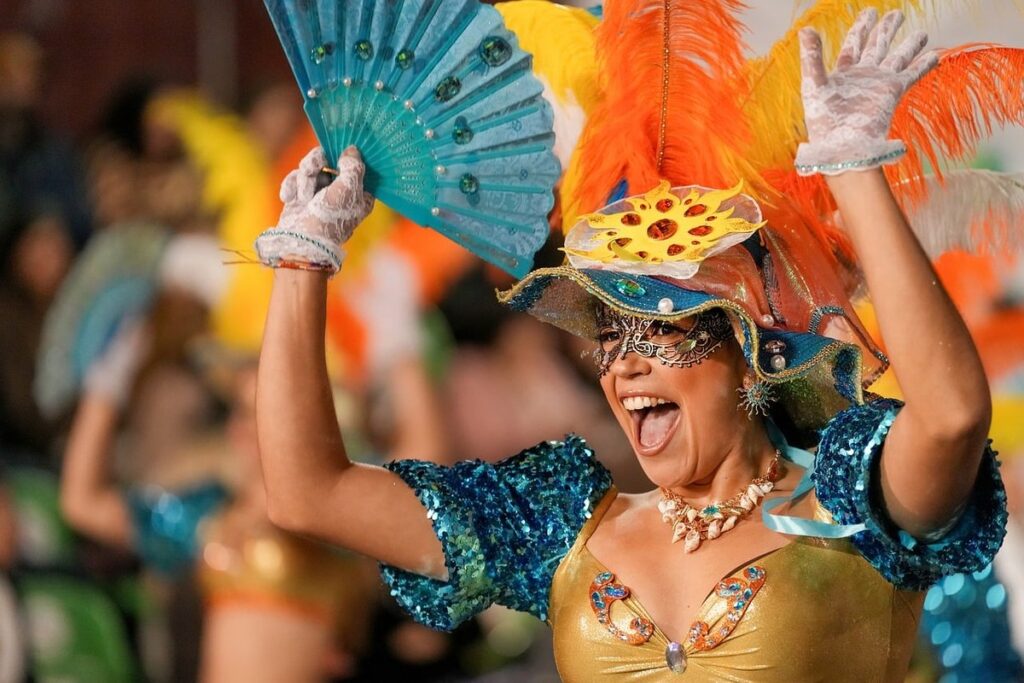
Carnival traditions are a kaleidoscope of vibrant colors, sounds, and flavors that bring people together in joyful celebration. Whether you’re strolling through the streets of Rio de Janeiro or attending a small-town European bash, there’s no denying the infectious energy of carnival festivities. But behind the masks, music, and dancing lies a rich history and cultural significance that goes far beyond mere revelry. Carnival is an art form, a way to express community pride and tradition through elaborate costumes, floats, and performances. From its origins in medieval Europe to its modern-day manifestations across Latin America and beyond, carnival has evolved into a unique blend of artistic expression and communal celebration. In this article, you’ll discover the fascinating history, cultural significance, and artistic aspects of carnival traditions from around the world.
The Origins of Carnival
Carnival has a rich history that spans centuries and continents, evolving from pagan festivals to elaborate celebrations today. Let’s take a look at how it all began.
The History of Carnival in Europe
In medieval Europe, carnival traditions were born out of a mix of festivals and celebrations. One such example is Carnivale in Italy, which dates back to the 12th century. This festival was initially held before the Christian season of Lent, a period of fasting and penance leading up to Easter. Carnivale’s origins are tied to the Catholic Church’s efforts to counter pagan fertility rituals, but over time it evolved into a joyous celebration with parades, music, and feasting.
In France, Mardi Gras (French for “Fat Tuesday”) was another significant influence on carnival traditions. This festival also took place before Lent, with people indulging in rich foods and drinks before the period of fasting began. Mardi Gras in Nice, France, is still a major event today, featuring elaborate floats and colorful costumes.
Both Carnivale and Mardi Gras share similarities with modern-day carnival celebrations, such as the emphasis on social gatherings, music, and festive attire. These medieval festivals laid the groundwork for the diverse range of carnival traditions seen across Europe today.
Spread of Carnival Around the World
From Europe to the Americas, carnival traditions spread rapidly during the colonial era. The earliest recorded carnivals outside of Europe took place in Brazil and Trinidad and Tobago in the 16th century. These celebrations were heavily influenced by African and indigenous cultures, who merged their own customs with European traditions.
In the United States, Mardi Gras in New Orleans has its roots in the French and Spanish colonial periods. The city’s unique blend of cultures can be seen in its colorful parades and elaborate floats. In contrast, Brazilian carnivals often feature samba schools and street parties, showcasing African-influenced rhythms and dance.
The Portuguese also brought carnival traditions to their colonies in Asia, such as Macau and Goa. These festivals often combine traditional folk dances with Catholic processions, highlighting the complex cultural exchanges that shaped local celebrations. Understanding these historical influences can help you appreciate the diversity of carnival traditions worldwide and even inform your own celebrations or travel plans.
Types of Carnival Celebrations
Carnival celebrations come in many vibrant forms, each reflecting the unique culture and heritage of its host country. From masquerade balls to elaborate parades, every region has its own twist on this joyous tradition.
Masked Balls and Parades
Masks and costumes are integral components of carnival celebrations around the world. In some cities, they’re a matter of course, while in others, they’re an elaborate spectacle. Take Venice’s Carnivale, for instance. For centuries, participants have donned elaborate masks to conceal their identities during masked balls and street performances.
In Rio de Janeiro, Carnival is just as vibrant, with revelers parading through the streets in ornate costumes that often take months or even years to design. These elaborate getups are a testament to the city’s Afro-Brazilian heritage and its love of music and dance. In other cities, like Trinidad and Tobago’s Port of Spain, costumes may be more subdued but no less meaningful.
When participating in carnival celebrations where masks and costumes are key, it’s essential to respect local customs and traditions. This might involve researching the specific cultural context or seeking guidance from local organizers. By doing so, you can ensure that your costume doesn’t inadvertently offend or mock a particular culture.
Food and Drink Traditions
King cake is a classic example of a traditional carnival food with deep cultural significance. This sweet bread is typically topped with icing and decorated with purple, green, and gold, symbolizing faith, justice, and power. Its origins date back to medieval Europe, where bakers would hide a small figurine of the baby Jesus within the dough as a sign of good luck.
In New Orleans, king cake has become an integral part of Mardi Gras celebrations, with many bakeries offering their own unique twists on this classic treat. Similarly, fried dough and other sweet treats like beignets are staples at masquerade balls and street fairs across the globe. These foods often have a rich history tied to the carnival’s cultural roots, reflecting the traditions of their respective regions.
When attending a carnival celebration, taking the time to sample these local specialties can provide insight into the community’s heritage and values. By doing so, you’ll not only satisfy your appetite but also gain a deeper appreciation for the cultural significance behind these beloved foods. The traditional ingredients and recipes used in these dishes often hold historical importance, making them more than just tasty treats – they’re an integral part of the carnival experience.
Cultural Significance of Carnival
Carnival traditions around the world are not just a time for celebration, but also a way to preserve cultural heritage and honor ancestral roots. We’ll explore how these vibrant festivals shape identity and community spirit.
Expression of Joy and Community
Carnival celebrations are renowned for their vibrant expression of joy and community. At its core, carnival is a time when people come together to revel in music, dance, and colorful pageantry. Social bonding is a key theme, as neighbors, friends, and families join forces to create an atmosphere of communal expression.
In cities like Rio de Janeiro and New Orleans, the streets are transformed into giant stages for spontaneous street performances. Thousands of people gather to watch parades, play music, and dance together in synchronized choreography. This collective energy is palpable, as strangers become united by a shared sense of excitement and joy.
One way to experience this communal spirit firsthand is to participate in a local carnival procession or join a street band. Not only will you be immersed in the sights and sounds of carnival culture, but you’ll also have opportunities to connect with fellow revelers from diverse backgrounds. By embracing the carefree atmosphere and letting go of inhibitions, you can tap into the unifying power of carnival celebrations. As the festivities unfold, you’re likely to find yourself swept up in a sea of color and music, united with others in an unforgettable experience.
Overcoming Adversity through Rituals
In many cultures, carnival traditions serve as a collective expression of resilience and hope. By coming together to participate in elaborate parades, music, and dance, communities can momentarily forget their hardships and find solace in the shared experience. This phenomenon is particularly evident in cities like New Orleans during Mardi Gras, where the vibrant spectacle helps locals and visitors alike transcend the challenges of everyday life.
In fact, research has shown that participating in collective rituals and ceremonies can have a profound impact on mental well-being. By engaging in these communal activities, individuals can release pent-up emotions and find a sense of catharsis. For example, during the Rio Carnival, participants often wear elaborate costumes and masks to conceal their identities and temporarily escape the pressures of reality.
By embracing carnival traditions as a means to overcome adversity, communities can create a powerful narrative of hope and perseverance. As a participant or observer, you can tap into this energy by immersing yourself in the local culture, learning about its history and significance, and joining in on the festivities with an open heart and mind.
Regional Variations of Carnival
From vibrant samba parades in Brazil to lively J’ouvert celebrations in Trinidad, each region brings its unique flavor and flair to the carnival experience. Let’s take a closer look at how different cultures celebrate this festive time of year.
Carnaval in Latin America
In Brazil, Carnaval is a week-long celebration that culminates on Shrove Tuesday. The country’s largest city, Rio de Janeiro, hosts the most famous Carnival parade in the world, attracting millions of spectators each year. Samba schools, or communities, compete against one another to showcase their elaborate floats and costumes.
In Trinidad and Tobago, Carnival is known for its calypso music and colorful street parties. The island nation’s Carnival celebrations have a distinct African influence, reflecting its history as a former British colony with strong ties to Africa. The events take place in the days leading up to Ash Wednesday.
Cuba, on the other hand, has a rich cultural heritage that shines through in its Carnaval festivities. The country’s vibrant Afro-Cuban traditions blend seamlessly into its Carnival celebrations, which often feature energetic rhythms and costumes inspired by Yoruba mythology. Each of these countries brings their unique flavors and customs to the table, making every Carnaval experience an unforgettable adventure for participants.
Mardi Gras in New Orleans
Mardi Gras in New Orleans is a vibrant celebration rooted in both African and European traditions. The city’s unique cultural landscape was shaped by its history as a major port for the transatlantic slave trade, which brought enslaved Africans to Louisiana. This African influence can be seen in the use of African rhythms and dances in modern-day Mardi Gras parades.
The French and Spanish colonization of the region also played a significant role in shaping New Orleans’ Carnival traditions. The city’s founders, the French, brought with them their own festive customs, which blended with the existing African influences to create something distinct. For example, the tradition of wearing elaborate costumes and masks was borrowed from European festivals but adapted to incorporate African patterns and symbols.
Visitors to Mardi Gras in New Orleans can experience this rich cultural heritage firsthand by attending a parade or taking part in a costume-making workshop. Be sure to explore the city’s historic neighborhoods, such as the French Quarter, where African, French, and Spanish influences are still palpable today. By acknowledging these complex historical roots, you can better appreciate the unique spirit of Mardi Gras in New Orleans.
The Artistic Expression of Carnival
From vibrant costumes to elaborate floats, carnival celebrations showcase a kaleidoscope of artistic expression that’s as visually stunning as it is culturally rich. You’ll see examples of this creativity in action throughout this section.
Music and Dance Traditions
Calypso music originated in Trinidad and Tobago, where it’s often performed by steel drum bands. These lively ensembles are a staple at masquerade ball performances, where dancers weave intricate routines to the rhythm of calypso beats. In Brazil, samba takes center stage, its infectious energy drawing crowds to dance along with the music. Samba schools invest heavily in elaborate costumes and choreography, often incorporating social commentary and cultural references into their performances.
The connection between traditional carnival music styles and dance forms is more than just coincidence – it’s a deliberate blend of artistry and cultural expression. For instance, calypso’s use of syncopated rhythms and melodic motifs has influenced the development of soca music in Trinidad and Tobago. Meanwhile, samba’s Afro-Brazilian roots are reflected in its distinctive percussion patterns and emphasis on communal participation.
By studying these traditional carnival music styles and dance forms, you can gain a deeper appreciation for the cultural heritage that underpins these vibrant celebrations. Consider exploring local music schools or community centers to learn more about calypso or samba, and even try your hand at participating in a masquerade ball performance. This immersive approach will help you connect with the traditions on a richer, more meaningful level.
Visual Arts and Decorations
Carnivals are renowned for their dazzling visual arts and decorations, which play a vital role in immersing participants and spectators alike. One notable example is Trinidad and Tobago’s Carnival, where intricately designed costumes and elaborate floats showcase the island nation’s rich cultural heritage.
In Brazil’s Rio de Janeiro, samba schools invest enormous effort into crafting vibrant floats adorned with colorful flowers, sequins, and feathers. These massive structures are often shaped like mythical creatures or inspired by Brazilian folklore. In contrast, the Venetian Carnival in Italy features elaborate masks crafted from intricately carved wood and feathers.
In addition to costumes and floats, carnival celebrations also feature decorative elements such as giant puppets, balloons, and inflatables. These large-scale installations add to the festive atmosphere, often serving as focal points for parades and processions. When attending a carnival celebration, take note of these elaborate decorations and consider their significance within the local culture.
Frequently Asked Questions
Can I use carnival traditions in my own community to build social connections?
Yes. While the specifics of carnival celebrations vary widely, their core function is often the same: to bring people together in joy and communal expression. By incorporating elements like masks, costumes, or traditional foods into your own events, you can create a similar sense of connection and belonging among attendees.
What if my community doesn’t have a long history with carnival traditions – how do I adapt them?
Start by identifying the core elements that make carnival celebrations meaningful to people: music, dance, colorful decorations, and community bonding. Then, think about ways to incorporate these aspects into your own events while also acknowledging and honoring local customs or preferences.
How can I ensure my carnival celebration is respectful of diverse cultural backgrounds?
Begin by researching the specific traditions and practices associated with carnival celebrations in various cultures. Be mindful of cultural appropriation and make sure to involve people from different backgrounds in planning and decision-making processes. This will help you create a more inclusive and respectful event.
What if my carnival celebration gets out of hand – how do I manage crowds or rowdy behavior?
Establish clear guidelines for attendees beforehand, outlining expected behavior and consequences for disrupting the event. Consider partnering with local authorities to ensure there are adequate safety measures in place. During the event itself, have a plan for quickly addressing any issues that arise.
Can carnival traditions be adapted into more low-key events, such as house parties or small gatherings?
Yes. While traditional carnival celebrations often feature large crowds and elaborate decorations, their essence can also be captured in smaller settings. Consider incorporating elements like music, dance, or creative costumes into your own get-togethers to create a festive atmosphere that still allows for intimate connection with others.