Skara Brae is one of the most remarkable archaeological sites in Europe, offering an extraordinary glimpse into the lives of our ancient ancestors. This remarkably preserved Neolithic village on the Orkney Islands, Scotland, has been perfectly frozen in time for nearly 5,000 years, providing a unique window into the daily lives and routines of prehistoric humans. The layout of Skara Brae, with its intricately connected houses and communal areas, reveals a surprisingly sophisticated understanding of architecture and community living among our early ancestors. As we explore this remarkable site, we’ll delve into its fascinating history, examining the evidence of daily life in the village, from cooking and socializing to farming and trade. By the end of this article, you’ll gain a deeper understanding of what life was like in Skara Brae, shedding new light on prehistoric human communities and their remarkable achievements.
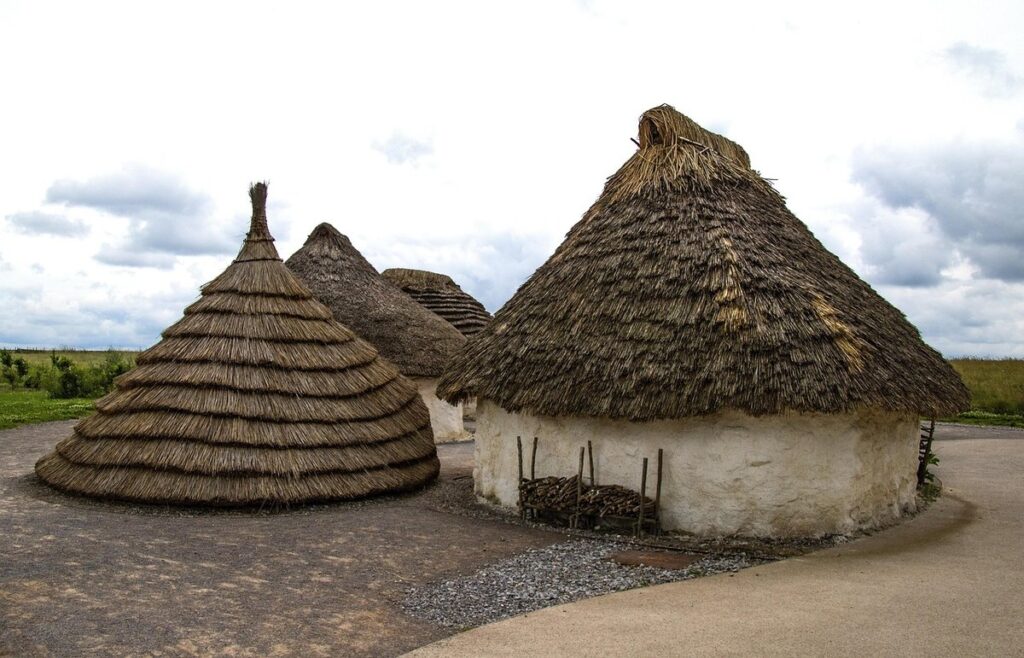
The Discovery and Significance of Skara Brae
Skara Brae is one of the best-preserved Neolithic villages in Europe, offering a fascinating glimpse into life over 5,000 years ago. Let’s take a closer look at its incredible discovery and significance.
Archaeological Background and Excavation History
Skara Brae was first discovered in 1927 by local farmer James S. Lawson on the Mainland island of Orkney, Scotland. Initially, Lawson unearthed a few artifacts while digging drainage ditches for his croft, but it wasn’t until the following year that the true extent of the site became apparent. The British government eventually took over excavations, and in 1928, the renowned archaeologist Vere Gordon Childe began work on uncovering the village.
Childe’s excavation revealed a remarkably well-preserved Neolithic settlement, dating back around 5,000 years to the Late Neolithic period. Skara Brae’s unique preservation is attributed to its location near a small beach, where the sea helped maintain the structure and prevent erosion over time. The site’s exceptional condition has allowed archaeologists to reconstruct the lives of its prehistoric inhabitants with remarkable accuracy.
Childe’s excavations laid the foundation for our understanding of Neolithic human settlements in Scotland and beyond. His work at Skara Brae provided valuable insights into the social, economic, and cultural practices of these ancient communities, shedding light on their domestic arrangements, subsistence strategies, and relationships with their environment. The significance of Skara Brae lies not only in its well-preserved state but also in the rich historical narrative it offers about human habitation during this period.
Location and Climate of the Site
Skara Brae is situated on the west coast of the Mainland island within the Orkney Islands, Scotland. Its precise location, near the Bay of Skaill, allows for easy access to the surrounding coastal waters and fertile land. The site’s geography has played a crucial role in its preservation and exposure.
The climate of the Orkney Islands is relatively mild compared to other parts of Scotland, with moderate temperatures and low rainfall throughout the year. This unique climate, characterized by long hours of daylight during the summer months and short days in winter, contributed significantly to Skara Brae’s exceptional preservation. The mild conditions slowed down the natural process of erosion, allowing the stone structures to remain remarkably intact.
The coastal location also exposed the site to the harsh marine environment, which has further facilitated its preservation through natural processes such as sedimentation and stabilization of the soil. This combination of factors has made Skara Brae an unusually well-preserved example of a prehistoric village, providing archaeologists with valuable insights into the lives of Neolithic communities in Scotland.
Life in a Neolithic Village: The Layout and Architecture
As we explore the layout of Skara Brae, let’s take a closer look at how its residents organized their homes and daily lives within these ancient stone walls. The village’s carefully designed spaces reveal clues about life in this prehistoric community.
Houses and Their Layouts
The houses at Skara Brae are remarkably well-preserved, providing a unique glimpse into the lives of Neolithic villagers. Each dwelling measures around 3 meters by 4 meters and features a central hearth for cooking and warmth. The hearths were typically positioned near the entrance to allow smoke to escape outside.
Houses often had multiple rooms, including sleeping areas and storage spaces. Some dwellings even boasted small passageways or “dressing rooms” that may have been used for preparing meals or donning clothing. The walls of these houses were constructed using stone slabs, with wooden posts and thatching providing additional support.
The layout and design of each house suggest a high degree of functional specialization. For example, one dwelling at Skara Brae contains what appears to be a workshop area, complete with a hearth and storage compartments for tools. This level of organization implies a sophisticated understanding of spatial planning among the Neolithic villagers who built these homes.
Shared Spaces and Community Areas
Skara Brae’s communal spaces were designed to facilitate social interaction and shared activities. The central street, which runs through the heart of the village, is a remarkable example of Neolithic urban planning. This narrow passageway was likely used for daily conversations, trade, and news exchange among residents.
Hearths, often found at the center of each dwelling, served as communal cooking areas where families would gather to prepare meals together. These hearths not only provided warmth but also played a significant role in social bonding, as inhabitants shared stories and experiences while preparing food. In addition to hearths, other communal facilities included a possible storehouse or grain silo, which would have stored essential provisions for the community.
Some experts suggest that these shared spaces may have been used for more than just daily activities; they might have also hosted communal events and celebrations. This interpretation is based on the presence of stone-lined pits in some hearths, which could have served as makeshift ovens or cooking stations for large gatherings.
Understanding the Daily Lives of Skara Brae’s Inhabitants
We can only imagine what life was like for the people who called Skara Brae home, living in harmony with the harsh Neolithic landscape. Let’s take a closer look at their daily routines and traditions.
Agriculture and Food Production
The villagers at Skara Brae managed their food resources through a combination of agriculture, hunting, and gathering. Archaeological evidence suggests that they grew crops such as barley, oats, and wheat on nearby fields, which would have required careful planning and labor to maintain. This agricultural activity likely took place during the summer months when the weather was favorable.
In addition to farming, the villagers at Skara Brae also hunted wild game, including red deer and sheep, which provided a source of protein-rich meat. Fishing in the nearby sea would have also been an important supplement to their diet. Gathering seaweed and shellfish from the coast would have added variety to their meals.
Agriculture was likely a seasonal activity at Skara Brae, with crops being planted and harvested according to the lunar calendar. The villagers would have needed to carefully plan their agricultural activities to ensure that they had enough food for the winter months when farming was not possible. It is also worth noting that some of these activities were likely shared among households in the village, creating a sense of community and cooperation.
Social Structure and Organization
The social structure and organization within Skara Brae’s village community are evident through various archaeological findings. While there is no clear evidence of a hierarchical system with distinct classes or castes, the presence of specialized tools and activities suggests some degree of division of labor. For instance, the remains of a possible weaving workshop have been discovered, indicating that at least one resident was skilled in textile production.
The discovery of a large stone-lined hearth in House 7 also implies a level of culinary specialization. It is likely that a particular family or individual was responsible for preparing meals for the community, using this central cooking area. This division of labor would have allowed residents to focus on specific tasks and expertise, freeing up time for other activities.
Furthermore, the village’s relatively small size and lack of defensive structures suggest a peaceful and cooperative living environment. The proximity of homes and shared spaces also implies a level of social cohesion and communal interaction. While we can’t know for certain how individuals interacted within these spaces, it is likely that a sense of community and mutual support was essential to the village’s survival and success.
Unraveling the Mysteries of Skara Brae’s Decline
Skara Brae’s sudden abandonment has puzzled archaeologists and historians for decades, leaving behind a wealth of unanswered questions. Let’s examine the theories surrounding its mysterious decline.
Causes of Abandonment and Decline
The decline and eventual abandonment of Skara Brae are complex phenomena with multiple contributing factors. Climate change is a likely culprit, as rising sea levels and storm surges would have threatened the village’s very existence. Archaeologists suggest that the site was likely abandoned due to a combination of environmental pressures, including soil erosion and saltwater flooding.
Resource depletion may also have played a role in Skara Brae’s decline. As the Neolithic population grew, they would have put increasing pressure on the land to provide for their needs. If the villagers were unable to sustainably manage their resources, this could have led to a gradual decline in living standards and ultimately, abandonment.
Another theory is that Skara Brae was abandoned due to social or economic factors. Perhaps the village became too small or isolated, leading to a decline in trade and cultural exchange with other communities. Alternatively, conflicts over resources or disputes between neighboring groups may have forced the villagers to leave their homes. Further research is needed to determine the relative importance of these various factors, but it’s clear that Skara Brae’s abandonment was likely a result of a complex interplay between environmental, social, and economic pressures.
Implications for Understanding Prehistoric Communities
Skara Brae’s decline raises important questions about the resilience and adaptability of prehistoric human communities. The fact that a thriving village like Skara Brae was suddenly abandoned suggests that its inhabitants may have been vulnerable to environmental or climatic changes, which could imply that these early communities were more susceptible to external factors than previously thought.
This challenges our assumptions about the stability and security of prehistoric societies. If Skara Brae’s decline was indeed triggered by environmental factors, it highlights the importance of considering the intersection between human activity and the natural environment in understanding past cultures. This perspective shift encourages us to reevaluate our understanding of prehistoric communities’ ability to cope with adversity.
In practical terms, studying the decline of Skara Brae can inform strategies for preserving and conserving similar sites today. For instance, identifying potential environmental stressors that may have contributed to its decline could help archaeologists and conservationists develop more effective preservation plans for other at-risk sites.
Preservation and Conservation Efforts
Skara Brae’s fragile remains require careful preservation, and conservation efforts are underway to safeguard its prehistoric significance for future generations. These initiatives aim to ensure the site’s integrity and accessibility for years to come.
Challenges Facing the Site Today
Skara Brae’s fragile existence is threatened by several pressing challenges. Erosion remains a significant concern, as the site’s exposed location makes it vulnerable to wind and wave damage. Rising sea levels pose an additional risk, with projections suggesting that the village could be submerged underwater within the next century if current trends continue.
The impact of tourism also weighs heavily on the site. While visitor numbers have increased significantly in recent years, this influx has taken a toll on the fragile remains. Heavy foot traffic and the constant exposure to the elements accelerate deterioration, highlighting the need for sustainable management practices.
To mitigate these effects, Orkney Islands Council has implemented measures to control visitor numbers and improve site maintenance. These initiatives include guided tours, restricted access during extreme weather conditions, and a program of regular inspections to identify and address areas of concern. Additionally, archaeologists and conservationists work together to develop innovative solutions for preserving the village’s integrity while allowing visitors to experience its rich history.
Conservation Initiatives and Future Plans
The conservation of Skara Brae is an ongoing effort to preserve the site for future generations and ensure its accessibility to visitors. To mitigate the effects of erosion and sea level rise, the Orkney Islands Council has implemented measures to stabilize the site’s foundation and protect it from flooding.
One such initiative involves the construction of a seawall to safeguard the site against rising tides and storms. This project not only ensures the physical integrity of the village but also allows for continued excavation and research. Additionally, the National Trust for Scotland works closely with experts to develop strategies for preserving the site’s fragile artifacts and structures.
The preservation efforts at Skara Brae are multifaceted and require continuous monitoring and maintenance. Regular inspections help identify areas where erosion or damage is occurring, allowing conservation teams to intervene promptly. Visitors play a crucial role in this process by respecting the site’s boundaries and following designated paths, which helps prevent further degradation of the fragile environment.
The ongoing conservation initiatives at Skara Brae are essential for maintaining its integrity as an archaeological site and ensuring its continued accessibility to future generations.
Conclusion: The Enduring Legacy of Skara Brae
As we conclude our journey through the ancient streets of Skara Brae, let’s reflect on how its remarkable story continues to captivate and inspire us today. Its enduring legacy is a testament to the resilience and ingenuity of our prehistoric ancestors.
Recap of Key Findings and Insights
Skara Brae offers a unique glimpse into the lives of prehistoric humans, challenging many assumptions about Neolithic societies. The village’s remarkably well-preserved houses and communal areas have provided archaeologists with a treasure trove of information on daily life, social organization, and economic practices.
Several key findings stand out from our exploration of Skara Brae. Firstly, the site’s layout reveals a sophisticated understanding of space and community planning, with each house carefully designed to minimize waste and maximize shared resources. The presence of central hearths and communal areas suggests a strong emphasis on collective activity and social bonding.
Furthermore, the evidence of advanced agriculture and food production at Skara Brae highlights the resourcefulness and adaptability of its inhabitants. In contrast, the site’s eventual decline raises important questions about the impact of environmental factors, climate change, and human migration patterns on prehistoric communities.
Ultimately, Skara Brae serves as a powerful reminder of our shared heritage and the importance of preserving our cultural and historical sites for future generations. By studying this remarkable village, we can gain valuable insights into the lives of our ancestors and better understand the complexities of human societies throughout history.
Final Thoughts on the Importance of Preserving Our Heritage
Preserving our cultural heritage sites like Skara Brae is crucial for future generations to learn from and appreciate. These ancient villages hold a wealth of knowledge about the lives and traditions of our ancestors, offering a unique glimpse into the past. By studying these sites, we can gain insights into how people adapted to their environments, organized their communities, and built their societies.
Visiting sites like Skara Brae also sparks imagination and creativity in visitors, allowing them to connect with the past on a deeper level. The village’s well-preserved houses, artifacts, and even the remains of daily activities provide an immersive experience that transcends mere historical interest. As we continue to face modern challenges such as climate change and social inequality, studying our cultural heritage can inspire new perspectives and innovative solutions.
To ensure Skara Brae continues to educate and captivate future visitors, it’s essential to prioritize preservation efforts. This includes protecting the site from human impact, monitoring weather conditions, and maintaining conservation initiatives. By safeguarding these sites, we not only preserve history but also foster a deeper understanding of our shared cultural heritage.
Frequently Asked Questions
Can I visit Skara Brae and walk through the village as it was in prehistoric times?
Yes, while you can’t replicate the exact conditions of 3000 BC, the site has been carefully reconstructed to give visitors an immersive experience. You can walk through the village and see how the houses were arranged, with many features preserved or rebuilt from original findings.
How do I protect Skara Brae from erosion and other environmental pressures?
Supporting conservation efforts by visiting responsibly and staying up-to-date on initiatives like re-vegetation programs and seawall construction can help. You can also learn about the challenges facing the site today and how you can contribute to preserving it for future generations.
What if I’m not an expert in archaeology or history – is there a way to still appreciate Skara Brae?
Absolutely, the village has been designed with visitors in mind. Guided tours are available, and many of the signs and exhibits provide clear explanations about what you’re seeing. You can also take advantage of audio guides or mobile apps that offer additional information and insights.
Is there a way to see more of the daily life at Skara Brae beyond just looking at the houses?
Yes, many artifacts and findings from the village are on display in the nearby museum. These exhibits provide a glimpse into the lives of the villagers, including their tools, clothing, and other personal items. You can also explore the surrounding area to see how the landscape may have influenced their daily activities.
Can I visit Skara Brae with my young children or is it more suitable for adults?
Skara Brae has been designed to be family-friendly, with many interactive exhibits and educational programs available. The site offers a unique opportunity to introduce your children to history and archaeology in an engaging way, and they can even participate in activities like fossil hunting and crafts.