American culture is often defined by the clothes we wear, from the colonial era’s modest attire to the flashy modern-day trends that dominate social media. Denim jeans and leather jackets, once staples of rebellious youth culture, have become ubiquitous symbols of American style. But why are these iconic items so deeply ingrained in our collective identity? What do they reveal about our values, our history, and our place in the world? This article will explore the complex relationship between American culture and clothing, tracing the evolution of fashion from the country’s early days to the present. We’ll examine how clothing has influenced and reflected American culture, from the cowboy boots and Stetsons of the Wild West to the hip-hop influenced streetwear of today. By the end of this article, you’ll have a deeper understanding of the significance of American culture clothing and how it continues to shape our identity.
The Evolution of American Style
As we explore American culture through clothing, it’s fascinating to see how styles have transformed over time, from the colonial era to the modern day. From humble beginnings to bold statements, American style has evolved in response to social, economic, and cultural changes.
Influences on Early American Fashion
During the colonial period, American fashion was heavily influenced by European styles, particularly from England, France, and the Netherlands. The East Coast’s wealthy elite played a significant role in setting fashion trends, often importing high-end fabrics and clothing from abroad. This is evident in the colonial era’s affinity for luxurious fabrics like silk and velvet, which were reserved for the wealthy.
The transatlantic trade allowed for the exchange of fashion ideas, with American colonists adopting and adapting European styles to suit their needs. For instance, the three-piece suit, popularized in England, became a staple in American men’s fashion. Women, on the other hand, favored the flowing gowns and aprons that were de rigueur in 18th-century Europe.
To recreate a colonial-era look, focus on natural fibers like linen and cotton, and opt for simple, yet elegant silhouettes. Consider the influence of European styles, but don’t be afraid to add an American twist. For example, the colonial era’s love of embroidery and intricate patterns can be incorporated into modern designs with a mix of traditional and modern techniques.
The Rise of Mass Production and Ready-to-Wear
The Industrial Revolution marked a significant turning point in the history of American fashion, paving the way for mass production and the emergence of ready-to-wear clothing. Prior to this, fashion was a niche industry catering to the wealthy, with bespoke clothing a luxury only the elite could afford. The introduction of mechanized manufacturing enabled the mass production of clothing, making it more accessible to the masses.
Factories like the Singer Sewing Company and the Triangle Shirtwaist Factory revolutionized the fashion industry, churning out affordable, standardized clothing that was previously only available to the privileged. The ready-to-wear movement, led by pioneers like Paul Poiret and Coco Chanel, brought fashion to the forefront of popular culture. Designers began to create garments that were not only beautiful but also functional and affordable.
As a result, fashion became a democratized industry, with people from all walks of life able to participate in the latest trends. The rise of ready-to-wear clothing also sparked a cultural shift, as people began to dress for the street, rather than just for special occasions. This transformation of the fashion industry had a lasting impact on American culture, shaping the way people dressed and interacted with one another.
The Impact of War on American Fashion
During World War I, American fashion underwent a significant transformation. As a show of patriotism, women’s fashion featured red, white, and blue stripes, while men’s fashion incorporated elements of military uniforms, such as epaulets and stripes. The influence of military attire on civilian fashion was evident in the rise of “uniform” dressing, where men wore suits with a fitted waist and trousers that were narrow at the ankle.
World War II saw a similar trend, with women’s fashion adopting a more practical and streamlined approach, reminiscent of military uniforms. The “utility chic” movement, popularized by designers such as Christian Dior, featured clothing with functional details like pockets and buckles. Men’s fashion also incorporated military elements, with the introduction of khaki pants and olive green jackets.
The influence of military uniforms on civilian fashion was not limited to aesthetics. Many designers, including Claire McCardell and Norman Norell, incorporated functional details and practical designs into their clothing lines, reflecting the need for clothing that was both stylish and useful. This fusion of military and civilian fashion had a lasting impact on American style, paving the way for the development of more practical and comfortable clothing.
American Subcultures and Their Fashion
From hip-hop to country, each subculture has its own distinct style, reflecting the unique values and experiences of its members. We’ll take a closer look at how these subcultures have influenced American fashion.
The Hippie Movement and Its Influence on Fashion
The hippie movement of the 1960s and 1970s was a cultural phenomenon that celebrated free expression and counterculture values. At its core, hippie fashion was about rebelling against mainstream norms and embracing a more free-spirited, nonconformist approach to style. Bell-bottom jeans, tie-dye shirts, and headbands became iconic symbols of the movement, allowing individuals to express their creativity and individuality.
One of the key characteristics of hippie fashion was its emphasis on handmade and artisanal clothing. Tie-dye, for example, was a technique that involved folding and binding fabric to create unique, swirling patterns. This focus on handmade craftsmanship was a direct response to the mass-produced, cookie-cutter fashion of the time. By creating their own clothing, hippies were able to express their values of self-sufficiency and nonconformity.
Today, hippie fashion continues to influence contemporary style, with many designers incorporating elements of the movement into their collections. To incorporate hippie flair into your own wardrobe, consider experimenting with tie-dye or other handmade techniques. Look for vintage or second-hand stores for unique, one-of-a-kind pieces, or try your hand at DIY projects like upcycling or repurposing old clothing.
The Rise of Hip-Hop and Streetwear
In the 1980s and 1990s, hip-hop culture began to seep into mainstream fashion, bringing with it a unique aesthetic that celebrated self-expression and individuality. The genre’s early pioneers, such as Run-DMC and the Beastie Boys, sported bold, flashy clothing that reflected their personalities and the gritty urban landscapes they came from.
As hip-hop’s popularity grew, so did its influence on fashion. Designers like Tommy Hilfiger and Karl Kani began to incorporate hip-hop-inspired elements into their collections, such as oversized logos, bold graphics, and loose-fitting silhouettes. The result was a fusion of hip-hop’s DIY ethos with the commercial appeal of mainstream fashion.
The intersection of hip-hop and streetwear led to the rise of iconic brands like Sean John and Rocawear, which dominated the fashion landscape of the late 1990s and early 2000s. These brands’ success was built on the principles of self-expression and authenticity, reflecting the values that had always defined hip-hop culture. Today, hip-hop’s influence on fashion continues to be felt, with brands like Supreme and Off-White pushing the boundaries of streetwear and high-fashion collaborations.
The Evolution of American Goth and Emo Fashion
The goth and emo subcultures emerged in the 1980s and 1990s, respectively, as distinct fashion styles that reflected their music and aesthetic sensibilities. Goths, inspired by post-punk and industrial music, favored dark, muted colors and elaborate clothing. Black clothing, fishnet stockings, and studded belts were staples of the goth wardrobe, often paired with heavy makeup and bold hairstyles. This fashion sense was not just a form of self-expression but also a way to signal affiliation with the goth community.
Emo fashion, which emerged in the 1990s, was characterized by a more energetic and emotive style. Emo fashion often featured brightly colored clothing, tight-fitting jeans, and studded belts. Hair was often styled with a “messy” look, with loose strands framing the face. Emo fashion was deeply influenced by the music of bands like Jimmy Eat World and My Chemical Romance, which emphasized emotional intensity and personal struggle.
Both goth and emo fashion have had a lasting impact on American fashion, influencing later styles like punk and alternative.
American Fashion and Identity
American fashion has long been a reflection of the country’s diverse cultural identity, shaped by its history, geography, and societal values. From cowboys to hippies, iconic styles have emerged that showcase America’s unique spirit.
The Significance of American Cultural Symbols in Fashion
American cultural symbols have long been a staple in American fashion, serving as a way to showcase patriotism and national pride. The American flag, in particular, is a ubiquitous design element, often used in conjunction with eagles, stars, and other patriotic imagery. These symbols are not only used to evoke a sense of nostalgia but also to convey a sense of unity and shared values.
From clothing brands like Old Navy and Levi’s, to high-end designers like Ralph Lauren and Tommy Hilfiger, American cultural symbols are used to evoke a sense of Americana. However, the use of these symbols can be problematic, as it can be seen as cultural appropriation or exploitation. To use these symbols effectively, it’s essential to be mindful of their cultural context and to consider the potential impact on marginalized communities.
When incorporating American cultural symbols into your wardrobe, consider the following: what message do you want to convey? Are you using these symbols to express your own identity, or are you relying on them as a trend? Be thoughtful and intentional in your approach, and remember that cultural symbols should be used to celebrate and honor, not to exploit or appropriate.
The Representation of Diversity in American Fashion
American fashion has long been a reflection of the country’s cultural melting pot. Immigration and multiculturalism have had a profound impact on the industry, shaping the way clothes are designed, produced, and worn. The influx of immigrants from various parts of the world has introduced new textiles, patterns, and styles to American fashion. For instance, African and Asian immigrants brought their traditional garments, such as dashikis and kimonos, which were adapted and incorporated into mainstream American fashion.
The 1960s and 1970s saw a surge in the popularity of ethnic and international styles, with designers like Mary Quant and Emilio Pucci drawing inspiration from global cultures. This trend has continued to the present day, with many American designers incorporating elements of diverse cultures into their collections. However, it’s also worth noting that the representation of diversity in American fashion has been inconsistent, with certain groups and styles being overrepresented or tokenized. To truly reflect the country’s cultural heritage, American fashion must strive for more inclusive and nuanced representations of diversity.
The Role of American Fashion in Global Culture
American fashion has been a driving force in shaping global fashion trends, and vice versa. From the 1960s mod styles to the 1990s grunge movement, American fashion has consistently pushed the boundaries of style and influenced designers worldwide. One notable example is the collaboration between American designer Marc Jacobs and French fashion house Louis Vuitton, which blurred the lines between high fashion and streetwear.
Designers like Alexander Wang and Ralph Lauren have also been instrumental in popularizing American fashion globally. Wang’s edgy, minimalist aesthetic has been adopted by fashion enthusiasts worldwide, while Lauren’s classic preppy style has become synonymous with American luxury fashion. In return, global fashion trends have also influenced American style, with designers incorporating international elements into their designs.
For instance, the rise of athleisure wear in the US can be attributed to the success of global brands like Lululemon and Athleta. Similarly, the increasing popularity of sustainable fashion in the US is partly due to the influence of European designers who have been advocating for eco-friendly practices for years. By embracing global fashion trends and collaborating with international designers, American fashion has become more diverse and inclusive, reflecting the country’s cultural melting pot.
Iconic American Fashion Items
American fashion has long been a reflection of our country’s eclectic and aspirational spirit, with certain items transcending time and trends to become an integral part of our cultural identity. From denim to cowboy boots, these iconic pieces tell a story of American style and heritage.
The History and Significance of the Denim Jean
Denim jeans originated in the mid-19th century as work clothing for miners and laborers in Nîmes, France. The term “denim” comes from the French city, where a sturdy cotton twill fabric was first produced. Initially, denim was used for workwear due to its durability and resistance to wear. In the early 20th century, Levi Strauss and Co. began manufacturing denim jeans in the United States, catering to the needs of working-class Americans.
The rise of denim jeans as a fashion staple can be attributed to the post-WWII economic boom. As Americans experienced increased prosperity, they began to adopt denim jeans as a symbol of casual, relaxed style. The 1950s and 60s saw denim jeans become a staple in American fashion, with icons like James Dean and Marilyn Monroe popularizing the trend. Today, denim jeans come in a wide range of styles, from straight-leg to skinny, and are a ubiquitous fashion item worldwide.
The significance of denim jeans in American culture extends beyond their practical use. They have become a representation of American identity and a symbol of rebellion against traditional social norms. The versatility and comfort of denim jeans have made them a staple in many Americans’ wardrobes, transcending social and cultural boundaries.
The All-American Icon: The Leather Jacket
The leather jacket has been an enduring symbol of American counterculture since its origins in the early 20th century. Developed by aviation and motorcycle communities, the leather jacket was initially designed for functional purposes, such as protection from wind and cold. However, it soon became a staple of American youth culture, particularly among the rebellious and nonconformist.
One of the most iconic associations with the leather jacket is its connection to the 1950s American biker subculture. The jacket’s tough, rugged aesthetic and association with freedom and nonconformity made it an instant hit among young Americans. The likes of Marlon Brando in “The Wild One” and James Dean in “Rebel Without a Cause” further cemented the leather jacket’s status as a cultural icon.
The leather jacket’s appeal lies in its ability to convey a sense of individuality and nonconformity. Its tough, edgy aesthetic is a far cry from the more polished and refined styles of traditional American fashion. As a result, the leather jacket has endured as a fashion staple, with designers continuing to draw inspiration from its classic design and rebellious spirit.
The Evolution of the Baseball Cap
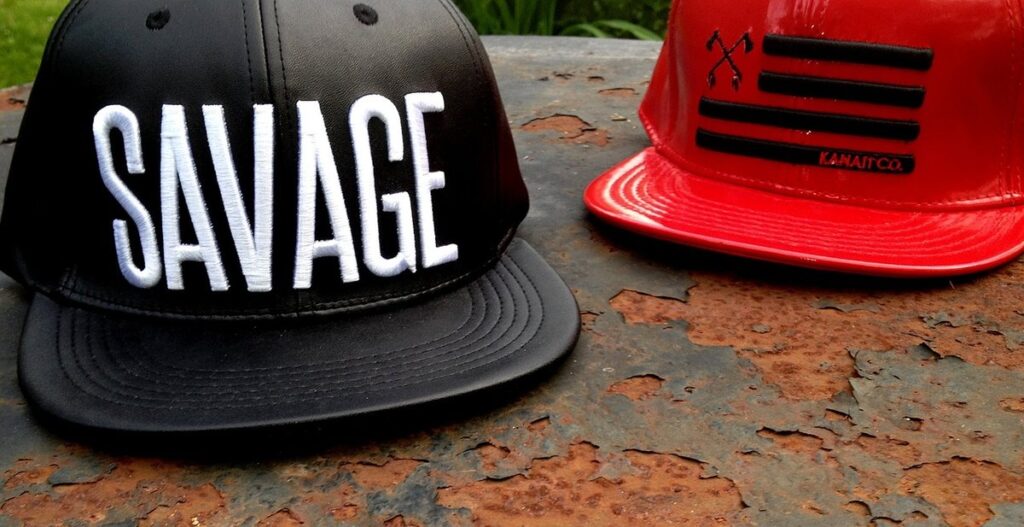
The baseball cap, a staple in American fashion, has undergone significant transformations since its inception in the mid-19th century. Initially worn by baseball players to shield their eyes from the sun, the cap became a symbol of youthful rebellion in the 1950s and 60s. American youth, particularly from urban areas, adopted the cap as a way to express their identity and allegiance to their favorite teams.
The 1980s saw the rise of the “dad cap,” where men wore baseball caps as a fashion statement, often without any affiliation to a specific team. This trend was further popularized by hip-hop culture, where caps became a symbol of status and street cred. Today, baseball caps are ubiquitous in popular culture, with celebrities and influencers often wearing them as a fashion statement.
The cap’s widespread adoption can be attributed to its versatility and comfort. Brands like New Era and Nike have made baseball caps a staple in their collections, offering a wide range of styles and designs. As a result, the baseball cap has become an integral part of American fashion, transcending its origins in sports and becoming a fashion icon in its own right.
American Fashion and Technology
In this era of rapid technological advancements, American fashion has seamlessly integrated tech elements, changing the way people dress and interact with style. From wearable devices to digital prints, tech has transformed the nation’s fashion landscape.
The Impact of Fast Fashion on American Fashion
The rise of fast fashion has significantly impacted the American fashion industry, with far-reaching consequences for the environment and society. Fast fashion’s emphasis on speed and affordability has led to a culture of disposability, where garments are worn a handful of times before being discarded. This has resulted in an estimated 12.8 million tons of clothing waste in the US each year, with the average American generating 82 pounds of textile waste per year.
The environmental implications of fast fashion are staggering. From the use of water-intensive manufacturing processes to the release of toxic chemicals in landfills, the fashion industry’s environmental footprint is substantial. Furthermore, the exploitation of workers in fast fashion’s global supply chain is a pressing social concern. Many garment workers toil in conditions of poverty and exploitation, with some factories paying as little as $3 per day.
As consumers, we can play a role in mitigating these effects by adopting more sustainable fashion practices. This can involve buying second-hand, investing in high-quality, timeless pieces, and repairing or repurposing existing garments rather than discarding them.
The Role of Social Media in Shaping American Fashion Trends
Social media has become a significant driver of fashion trends in the United States, with platforms like Instagram, TikTok, and YouTube influencing what people wear and how they style their clothing. The rise of influencers has been a key factor in this shift. These individuals, often with large followings, promote brands, products, and styles to their audiences, creating a ripple effect that can quickly spread across the fashion world.
Online fashion communities have also played a crucial role in shaping American fashion trends. Social media groups, forums, and blogs dedicated to fashion allow users to share and discover new styles, collaborate on projects, and connect with like-minded individuals. These communities often drive the adoption of emerging trends, as users share and build upon each other’s ideas.
The impact of social media on fashion trends is not limited to the rise of fast fashion or the promotion of specific brands. Rather, it is a complex interplay of factors, including the way influencers and online communities interact with and influence each other. As a result, understanding the role of social media in shaping American fashion trends requires a nuanced approach, one that acknowledges both the creative potential and the commercial pressures that drive these trends.
The Future of American Fashion: Sustainability and Innovation
American fashion is on the cusp of a revolution, driven by a growing awareness of environmental and social responsibility. Sustainable fashion is becoming increasingly mainstream, with designers incorporating eco-friendly materials, reducing waste, and implementing circular business models. Brands like Patagonia and Reformation are leading the charge, showcasing the viability of sustainable fashion in the American market.
One of the most exciting emerging trends is the use of 3D printing technology in fashion. Companies like Iris van Herpen and Dita von Teese are already experimenting with this innovative technique, creating intricate designs and complex patterns that were previously impossible to achieve. This technology not only reduces waste but also enables designers to push the boundaries of creativity.
In addition to sustainable materials and 3D printing, other cutting-edge technologies are also transforming the American fashion landscape. Advanced nanotechnology is being used to create high-performance fabrics, while artificial intelligence is helping designers optimize their supply chains and predict consumer behavior. These innovations are not only reducing the environmental impact of the fashion industry but also opening up new possibilities for American designers to express themselves and connect with their audience.
American Fashion and Globalization
As we examine the evolution of American fashion, it’s clear that globalization has played a significant role in shaping our style. From designer collaborations to streetwear influences, let’s explore the global threads that weave through American fashion.
The Influence of Globalization on American Fashion
Globalization has profoundly impacted American fashion, transforming the industry in several key ways. International trade agreements have enabled American fashion brands to access a global market, but they have also led to increased competition from international brands. Global supply chains have become more complex, with many American fashion brands sourcing materials and manufacturing overseas. This has allowed for greater efficiency and lower costs, but it has also raised concerns about labor practices and environmental sustainability.
As a result, American fashion has become more influenced by international trends, with designers incorporating global styles and silhouettes into their collections. For example, the rise of athleisure wear in the US can be attributed to the global popularity of sportswear. Similarly, the increasing popularity of sustainable fashion in the US is in part due to international efforts to reduce waste and promote eco-friendly practices.
To navigate the complexities of globalization in American fashion, brands must prioritize transparency and accountability. This includes ensuring fair labor practices, reducing environmental impact, and promoting cultural sensitivity. By doing so, American fashion brands can not only succeed in a global market but also contribute to a more equitable and sustainable fashion industry.
The Rise of American Fashion Brands Globally
Ralph Lauren, Calvin Klein, and Levi’s are just a few examples of American fashion brands that have successfully expanded globally. These brands have managed to transcend their domestic market and become household names worldwide. Ralph Lauren’s preppy aesthetic has been adopted by fashion-conscious consumers in Europe and Asia, while Calvin Klein’s minimalist designs have become a staple in many global fashion capitals. Levi’s, the iconic denim brand, has maintained its relevance in the global market by embracing sustainability and innovation.
One key factor in the success of these brands is their ability to adapt to local tastes and preferences. For instance, Ralph Lauren has created bespoke collections for specific regions, such as its “Rugby” line for the UK market. Similarly, Calvin Klein has collaborated with local designers to create limited-edition collections that resonate with global audiences. By understanding and responding to local needs, these American fashion brands have been able to establish a strong foothold in the global market.
The rise of e-commerce and social media has also played a significant role in the global success of American fashion brands. These platforms have enabled brands to reach a wider audience, showcase their products, and build brand awareness on a global scale. As a result, American fashion brands have been able to tap into new markets and build a loyal customer base worldwide.
The Challenges and Opportunities of American Fashion in a Global Market
American fashion has long been a significant player in the global market, with many American brands enjoying international recognition and success. However, this expansion into global markets also presents challenges and opportunities. One of the key challenges facing American fashion is the need for cultural sensitivity. As American brands expand into new markets, they must be aware of the cultural nuances and values of the local populations. A lack of cultural understanding can lead to missteps, such as the infamous 2016 Gucci ad campaign that sparked outrage in China for its perceived disrespect towards traditional Chinese culture.
On the other hand, global markets also offer opportunities for cultural exchange and growth. American fashion can learn from and incorporate elements of global styles, resulting in a more diverse and dynamic fashion landscape. For example, the influence of African print patterns and textiles has become increasingly popular in American fashion, reflecting the growing appreciation for global cultural exchange. By embracing cultural diversity and adapting to local tastes, American fashion can not only thrive in global markets but also contribute to a more inclusive and cosmopolitan fashion culture.
Frequently Asked Questions
What if I want to incorporate American cultural symbols into my fashion brand, but I’m worried about cultural appropriation?
Yes, you can use American cultural symbols in your fashion brand, but it’s essential to approach this with sensitivity and respect. Research the history and significance of the symbols, and ensure that you’re not profiting from or disrespecting the cultures that they represent. Consider collaborating with designers or artists from the cultures you’re drawing inspiration from, and give credit where credit is due.
Can I create my own American-inspired fashion brand, or should I stick to established designers?
You can create your own American-inspired fashion brand, but it’s crucial to understand the market and competition. Research existing brands and trends, and identify what sets your brand apart. Focus on creating unique, high-quality pieces that stay true to American fashion’s values of self-expression and individuality. Consider starting small and building a loyal customer base before scaling up.
What if I’m not interested in American fashion, but I want to incorporate sustainable and eco-friendly practices into my fashion brand?
You can definitely incorporate sustainable and eco-friendly practices into your fashion brand, regardless of the style or aesthetic. Research sustainable materials, production methods, and supply chains, and look for certifications like GOTS or Oeko-Tex. Consider partnering with suppliers who share your values, and educate your customers about the importance of sustainable fashion.
How can I balance the influence of global fashion trends with the unique American style that I want to showcase in my brand?
You can balance global fashion trends with American style by staying true to your brand’s aesthetic and values. Research and incorporate elements of American culture and history into your designs, while also staying up-to-date with global trends. Consider collaborating with American designers or artists to create unique pieces that blend global influences with American flair.
What if I want to start an American fashion brand, but I don’t have any experience in the industry?
Yes, you can start an American fashion brand without experience, but it’s essential to be realistic about the challenges and time commitment involved. Research and learn about the industry, and consider taking courses or attending workshops to develop your skills. Build a strong team, including designers, marketers, and production experts, and focus on creating high-quality products that meet the needs of your target market.