Chinese cuisine is one of the most diverse and complex culinary traditions in the world, with a rich history that spans thousands of years. From the spicy noodles of Sichuan to the delicate dim sum of Cantonese, each region in China has its own unique specialties and techniques that have been passed down through generations. But Chinese cuisine is not just about traditional techniques – it’s also a dynamic and ever-changing force, with modern chefs experimenting with fusion styles and innovative ingredients. As you explore the world of Chinese cuisine culture, you’ll discover a deep appreciation for the art of cooking and the stories behind each dish. This article will take you on a journey through the history, regional specialties, and modern innovations that make Chinese cuisine so unique, and by the end, you’ll be able to appreciate the complexities and nuances of this incredible culinary tradition.
A Brief History of Chinese Cuisine
Chinese cuisine has a rich history that spans thousands of years, evolving from simple street foods to complex imperial dishes. From its ancient roots to modern-day innovations, let’s take a brief look at how it all began.
Origins of Chinese Cooking Techniques
Chinese cuisine’s early influences can be attributed to the country’s geographical location. The Yangtze River and its tributaries played a significant role in the development of stir-frying, steaming, and braising techniques. As people migrated along these waterways, they brought with them various cooking methods that blended with indigenous practices.
Stir-frying originated from ancient Chinese cooks’ need to quickly cook ingredients over high heat. This technique allowed for the preservation of nutrients and the use of locally sourced ingredients. Steaming, on the other hand, was a method employed by Buddhist monks during the Han dynasty (206 BCE – 220 CE). They used steam to cook meat without losing its flavor.
Braising developed as a way to tenderize tougher cuts of meat over low heat for extended periods. This technique required patience and attention to detail. The three methods have remained relatively unchanged over time, with some minor variations in techniques and ingredient choices. Today, these fundamental cooking techniques are still used in Chinese kitchens across the country, a testament to the enduring influence of China’s culinary past on its modern cuisine.
Evolution of Regional Dishes
Regional specialties emerged in different parts of China due to a combination of geographical and cultural factors. The Sichuan province’s unique blend of spicy flavors and numbing sensations can be attributed to its rich chili pepper cultivation and the use of Sichuan peppercorns, which have a distinctive numbing effect on the tongue.
In contrast, Cantonese cuisine developed in the Guangdong province, where access to fresh seafood played a significant role. Dim sum, a classic Cantonese dish, originated as a way for workers to eat a variety of small dishes throughout the day. Shandong’s coastal location also influenced its seafood-heavy cuisine, with dishes like braised abalone and steamed clams becoming staples.
The impact of geography on regional cuisines is evident in the varied use of ingredients. The Yangtze River Delta region, for instance, relies heavily on freshwater fish and produce, while the arid northwestern provinces focus on lamb and goat meat. Understanding these regional differences allows you to appreciate the diversity within Chinese cuisine and make informed choices when exploring different dishes.
Regional specialties often pair well with local ingredients and cooking techniques. For example, try pairing Sichuan hot pot with a side of numbing Sichuan peppercorns or Cantonese dim sum with a refreshing glass of jasmine tea.
Staples of Chinese Cuisine: Ingredients and Cooking Methods
At the heart of Chinese cuisine lie a few essential ingredients and cooking methods that bring balance, depth, and harmony to its iconic dishes. We’ll explore these staples next.
Overview of Essential Ingredients
Chinese cuisine relies heavily on a few fundamental ingredients to create its distinctive flavors. At the heart of these staples are grains like rice and noodles, which serve as the foundation for many dishes. Soy sauce and sesame oil are also essential components, used to add depth and umami flavor to a wide variety of preparations.
Ginger and garlic, often paired together in stir-fries, sauces, and marinades, bring an aromatic intensity that is quintessentially Chinese. The role these ingredients play cannot be overstated: ginger’s spiciness cuts through richness, while garlic adds a pungency that balances bold flavors.
When cooking at home, it’s essential to have a well-stocked pantry with these basic components on hand. Start by investing in high-quality soy sauce and sesame oil – look for brands that are free from added preservatives and artificial flavorings.
Some essential items to keep in your pantry include:
• Various types of noodles (such as rice noodles or udon)
• Soy sauce and sesame oil
• Fresh ginger and garlic
• Rice vinegar
• Fermented bean paste (dòuchī)
Having these ingredients at your fingertips will allow you to whip up classic Chinese dishes like stir-fries, noodle soups, and braised meats. By understanding the importance of these staples, you’ll be well on your way to exploring the vast and varied world of Chinese cuisine.
Cooking Techniques: Stir-Frying, Steaming, Braising
Stir-frying is a fundamental technique used to quickly cook ingredients over high heat. This method allows for the retention of nutrients and textures while creating a harmonious balance of flavors. A wok or large skillet with a non-stick surface is ideal for stir-frying, as it enables easy tossing and stirring. For a classic beef and broccoli stir-fry, start by cooking aromatics like ginger and garlic, then add sliced meat and cook until browned, followed by the addition of broccoli florets.
Steaming is another essential technique in Chinese cuisine, particularly for delicate ingredients like fish, shellfish, and leafy greens. Steaming preserves the natural flavors and textures of these ingredients while cooking them evenly. A bamboo steamer or a metal steamer basket placed over boiling water can be used to steam dishes like har gow (shrimp dumplings) and cha siu bao (barbecue pork buns). When steaming fish, use a mixture of soy sauce, ginger, and scallions for added flavor.
Braising is a slow-cooking method that involves cooking tougher cuts of meat in liquid over low heat. This technique breaks down connective tissues, making the meat tender and flavorful. For braising dishes like beef stew or Kung Pao chicken, use a heavy pot with a lid to trap moisture and promote even cooking. By combining these three techniques – stir-frying, steaming, and braising – you can create a diverse array of Chinese-inspired dishes that showcase the region’s culinary heritage.
Regional Chinese Cuisine: A Closer Look
Chinese cuisine is incredibly diverse, and one of the most fascinating aspects is the unique regional flavors that set each area apart. From spicy Szechuan dishes to delicate Cantonese dim sum, regional Chinese cuisine is a treasure trove of flavor and tradition.
Sichuan Cuisine: Spicy and Numbing Flavors
Sichuan cuisine is renowned for its bold flavors, which are often described as spicy and numbing. The use of chili peppers, Szechuan peppercorns, and fermented bean paste is characteristic of this regional Chinese cuisine. These ingredients combine to create a unique flavor profile that sets Sichuan dishes apart from others.
One key component of Sichuan’s signature flavors is the Szechuan peppercorn. When ground or crushed, it releases a numbing sensation on the tongue, which complements the heat from chili peppers. This distinct combination allows for a wide range of flavors in Sichuan cuisine, from savory to sweet.
Fermented bean paste, or dòu jiàng, adds depth and umami flavor to many Sichuan dishes. It’s often used in marinades and sauces, where its rich, slightly bitter taste enhances the overall flavor profile. Chili peppers, meanwhile, add a spicy kick that is tempered by the numbing effect of the Szechuan peppercorns.
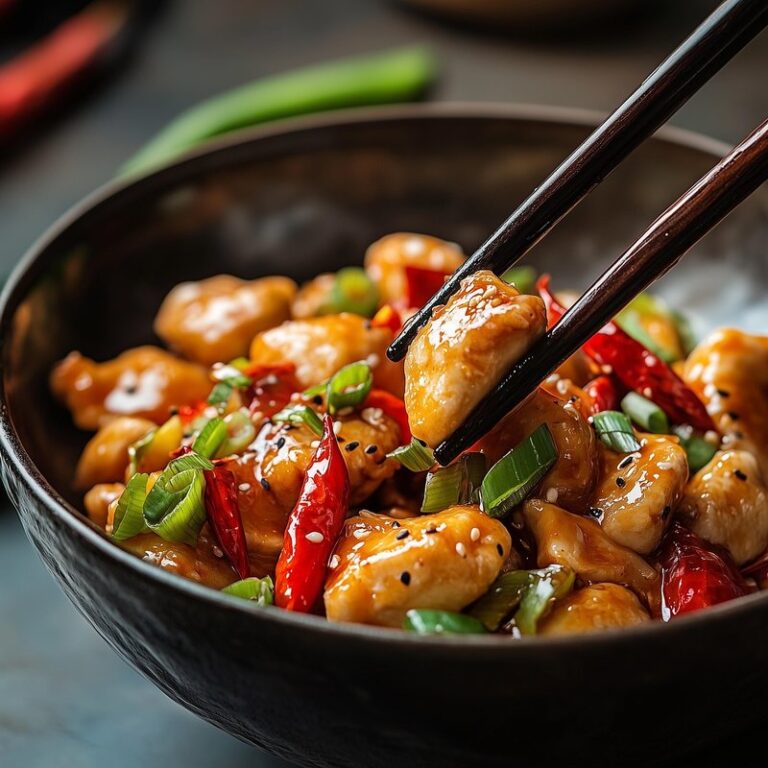
To experience these flavors firsthand, try making a classic Sichuan dish like Kung Pao chicken or mapo tofu at home. These recipes typically include all three key ingredients: chili peppers, Szechuan peppercorns, and fermented bean paste.
Cantonese Cuisine: Dim Sum and Seafood Delights
Cantonese cuisine is renowned for its delicate flavors and intricate preparations, particularly when it comes to dim sum and seafood dishes. In Southern China, these delicacies hold significant cultural importance. Dim sum, which translates to “touch the heart,” typically consists of small, steamed or fried bites served in a social setting.
A classic example of Cantonese dim sum is har gow, a delicate shrimp dumpling wrapped in a thin dough wrapper. The combination of succulent shrimp and light broth creates an unforgettable taste experience. When ordering dim sum, it’s essential to know that many restaurants offer a variety of dishes, often served in small batches to encourage sharing.
For seafood enthusiasts, Cantonese cuisine offers an array of mouthwatering options. Steamed fish with ginger and scallions is a staple dish, showcasing the region’s emphasis on freshness and simplicity. Another popular choice is roast goose, typically served with plum sauce. Its crispy skin and savory meat have made it a favorite among locals and tourists alike.
To fully appreciate Cantonese cuisine, consider visiting dim sum restaurants during peak hours to experience the lively atmosphere and extensive variety of dishes on offer. This immersive experience will allow you to connect with the culture behind these iconic delicacies.
Modern Chinese Cuisine: Fusion and Innovation
Modern Chinese cuisine has evolved significantly, blending traditional flavors with innovative ingredients and cooking techniques to create unique fusion dishes that showcase the country’s culinary diversity. From Sichuan hot pots to Cantonese dim sum, this section explores these exciting new directions in Chinese cuisine.
Influence of Western and Other International Cuisines
Modern Chinese chefs are increasingly incorporating international flavors and techniques into their cooking, giving rise to new fusion cuisines. One notable example is Szechuan hot pot, which often features Korean chili flakes for added heat. This blend of East Asian spices with Western-style communal dining has become a staple in many modern Chinese restaurants.
In addition to Korean influences, Chinese chefs are also experimenting with ingredients and techniques from Southeast Asia, India, and the Mediterranean. The use of coconut milk and turmeric, commonly found in Indian cuisine, adds richness and depth to traditional dishes like kung pao chicken. Similarly, the incorporation of Thai basil and lemongrass into stir-fries and braises introduces a bright, citrusy flavor.
These international influences are not limited to specific regions or ingredients; they often result from the creative fusion of techniques as well. For instance, chefs may use Western-style sous vide machines to cook delicate fish fillets or combine traditional Chinese steaming with modern flavor-infusion methods. By embracing these international flavors and techniques, modern Chinese cuisine is evolving in exciting ways that honor its heritage while pushing boundaries.
Innovative Uses of Traditional Ingredients
Chefs are reinterpreting classic ingredients in creative ways by repurposing them as toppings for noodles. For instance, fermented bean paste is often used as a condiment, but some chefs now use it as a topping for hand-pulled noodles or rice bowls. This adds a depth of umami flavor and a tangy kick.
Another example is the pairing of traditional sauces with modern protein sources. In this approach, classic soy sauce-based sauces are combined with ingredients like grilled octopus or pan-seared foie gras to create unexpected flavor profiles. Chefs might also experiment with pairing fermented ingredients like kimchi or pickled mustard greens with modern proteins like wagyu beef or lamb.
In many cases, chefs are drawing inspiration from traditional Chinese medicine and the concept of “qi” to inform their use of ingredients. For example, they may combine ingredients thought to balance yin and yang energies or pair ingredients believed to have complementary medicinal properties. By embracing these age-old concepts, chefs can create innovative dishes that honor the past while pushing the boundaries of modern Chinese cuisine.
The Role of Chinese Cuisine in Global Culture
As we explore the rich flavors and traditions of Chinese cuisine, it’s fascinating to consider how Chinese food has become a staple in global culture. From sushi in Japan to pad thai in Thailand, Chinese influences are evident worldwide.
Spread of Chinese Food Abroad: History and Impact
Chinese cuisine’s global spread began in the late 19th century when American restaurants introduced chop suey, a dish that blended Chinese flavors with Western cooking techniques. This early fusion sparked a curiosity about Chinese food among Americans, paving the way for its eventual popularity. By the mid-20th century, Chinese cuisine had become a staple in many international cities.
The introduction of Chinese food to global markets was largely driven by immigrants who brought their culinary traditions with them. In the United States, Chinese restaurants catered primarily to Chinese-American communities until they began to adapt to local tastes. The rise of Szechuan hot pot, for instance, is often attributed to Sichuan immigrants who introduced this numbingly spicy dish to international audiences.
The global spread of Chinese cuisine has also led to a homogenization of regional flavors. While authentic Szechuan dishes are still prized for their unique spice combinations and numbing sensations, variations have emerged that cater more to Western tastes. To appreciate the full depth of Chinese cuisine, it’s essential to explore its diverse regional traditions beyond the familiar stir-fries and noodles.
Cultural Exchange Through Cuisine
As Chinese cuisine spreads globally, it’s being adapted and reinterpreted by different cultures, giving rise to new fusion cuisines. Take, for instance, Korean-Chinese fusion dishes like jjajangmyeon – a sweet and savory noodle dish that originated from the combination of Korean and Chinese cooking techniques. Similarly, in the United States, chefs are experimenting with Szechuan peppercorns and pairing them with American beef to create unique flavor profiles.
In Southeast Asia, Chinese cuisine has merged with local flavors to give birth to dishes like nasi goreng – a fried rice dish that combines Indonesian spices with traditional Chinese ingredients. This cultural exchange is not limited to food alone; it also involves the sharing of cooking techniques and methods. For example, the use of woks in Chinese cooking has influenced the development of stir-fry techniques in other parts of the world.
The blending of culinary traditions can be seen in modern fusion restaurants that combine traditional Chinese ingredients with international flavors. Chefs are experimenting with new flavor combinations, from Szechuan hot pots to Cantonese-Italian fusion dishes. This cultural exchange not only adds variety to global cuisine but also highlights the adaptability and versatility of Chinese cooking techniques and ingredients.
Conclusion: Preserving and Innovating in Chinese Cuisine Culture
Chinese cuisine culture is a rich tapestry of flavors, traditions, and innovations. To preserve its essence, it’s essential to respect the fundamental principles that underpin this culinary heritage. This includes adhering to ancient techniques such as wok-frying and steaming, which bring out the natural flavors of ingredients. Traditional Chinese cooking also emphasizes balance in the five elements: wood, fire, earth, metal, and water. A well-crafted dish should demonstrate harmony among these elements.
Innovative chefs can build upon this foundation by experimenting with new combinations of flavors and techniques while staying true to the spirit of Chinese cuisine. This might involve incorporating modern twists on classic dishes or developing entirely new recipes that blend traditional flavors with contemporary tastes.
Frequently Asked Questions
How can I apply the cooking techniques learned from Chinese cuisine to my own kitchen?
When applying Chinese cooking techniques to your own kitchen, start by experimenting with simple stir-frying and steaming methods. Focus on mastering the balance of flavors, as this is key to creating authentic-tasting dishes. Don’t be afraid to adapt recipes to suit your personal taste preferences and ingredient availability.
Can I use Szechuan peppercorns in non-Sichuan dishes, or are they exclusive to that cuisine?
While Szechuan peppercorns originated in the Sichuan region, their unique numbing flavor pairs well with a variety of ingredients. Feel free to experiment with incorporating them into your own recipes, but be mindful of the delicate balance between numbing and spicy flavors.
What if I’m not familiar with certain Chinese ingredients – can I substitute them with alternatives from my local market?
When substituting unfamiliar Chinese ingredients, consider their flavor profile and texture before making a swap. For example, you might replace Szechuan peppercorns with cayenne pepper or Korean chili flakes, but be aware that these will alter the dish’s character.
How can I balance the flavors in a Chinese-inspired dish if it seems too salty or sweet?
To adjust the seasoning of your Chinese-inspired dishes, taste as you go and make small adjustments to the soy sauce, sugar, or other seasonings. Remember that Chinese cuisine often employs a delicate balance between five basic flavors: sour, sweet, salty, bitter, and umami.
Are there any cultural or traditional considerations I should keep in mind when serving Chinese-inspired dishes at social gatherings?
When sharing Chinese-inspired dishes with others, be respectful of the cultural context from which they originate. Consider the significance of certain ingredients, cooking techniques, or presentation styles within specific regional cuisines. This will help you appreciate and honor the rich diversity of Chinese cuisine culture.