Coming of age traditions have long been a vital part of human culture, marking the transition from adolescence to adulthood with rituals and ceremonies that shape identity and community. These customs, found in every corner of the world, serve as a rite of passage, signaling a young person’s readiness to take on new responsibilities and roles within their society. From the initiation ceremonies of ancient Africa to the modern-day Quinceañera celebrations in Latin America, these traditions hold a deep significance that transcends their cultural context. In this article, we’ll explore the enduring importance of coming of age traditions, examining their modern adaptations and the ways in which they continue to play a vital role in shaping young people’s sense of self and belonging.
The Significance of Coming of Age Traditions
Coming of age traditions serve as a bridge between childhood and adulthood, marking a significant milestone in a person’s life. Let’s examine the importance of these ceremonies in various cultures.
Understanding the Purpose of Coming of Age Rituals
Coming of age traditions serve as a rite of passage, marking a significant transition from adolescence to adulthood. At its core, these rituals provide a sense of identity and belonging, helping individuals establish their place within their community. This is particularly evident in cultures where coming of age traditions are deeply rooted in spiritual practices. For instance, in some Indigenous cultures, coming of age ceremonies involve spiritual leaders who guide the young person through rituals that connect them with their ancestors and the natural world. These ceremonies not only acknowledge the individual’s transition to adulthood but also reinforce their responsibilities towards their community and the land they inhabit. By participating in these rituals, individuals gain a deeper understanding of their cultural heritage and their role within it. This understanding is essential for building strong community ties and fostering a sense of belonging, which is a critical aspect of coming of age traditions across cultures.
Types of Coming of Age Traditions
Initiation ceremonies, naming rituals, and passage rites are just a few examples of the various types of coming of age traditions found across cultures. Initiation ceremonies, such as the vision quest in some Native American cultures, mark a young person’s transition from childhood to adulthood through physical challenges and spiritual trials. In contrast, naming rituals, like the Jewish tradition of naming a child on the eighth day, focus on bestowing a name that reflects the child’s identity and future role in society.
Passage rites, such as the Indian ceremony of thread ceremony, also mark important life transitions, but tend to focus on the young person’s responsibilities and obligations within their community. These rites often involve physical markers, such as scarification or circumcision, that signify a young person’s transition to adulthood. While these traditions share a common goal – to prepare young people for adulthood – they differ significantly in their cultural context and specific practices. Understanding the diversity of coming of age traditions can provide valuable insights into the unique challenges and values of different cultures.
Coming of Age Traditions in Indigenous Cultures
In many Indigenous cultures, coming of age is a sacred and revered milestone, marked by intricate rituals and ceremonies that shape young lives. We’ll explore some of these fascinating traditions.
Native American Coming of Age Traditions
Vision quests, sweat lodge ceremonies, and other coming of age rituals are an integral part of Native American communities. These practices often take place in nature, such as in the wilderness or near sacred sites, and are deeply connected to the spiritual growth of the individual. In many Native American cultures, a young person’s coming of age is marked by a significant event or ritual that signals their transition to adulthood.
For example, in some tribes, a vision quest is a solitary experience where the young person fasts and meditates in the wilderness, seeking a spiritual vision or guidance from a spiritual leader. This experience is often seen as a crucial step in the young person’s spiritual development and their connection to their tribe’s traditions and ancestors.
Sweat lodge ceremonies, on the other hand, are often used as a way to purify and cleanse the body and spirit. These ceremonies typically involve sweating in a heated lodge made of natural materials, followed by a ritualistic ceremony to honor the spirits and ancestors. These practices not only mark a young person’s transition to adulthood but also reinforce their connection to their community and the natural world.
African Coming of Age Traditions
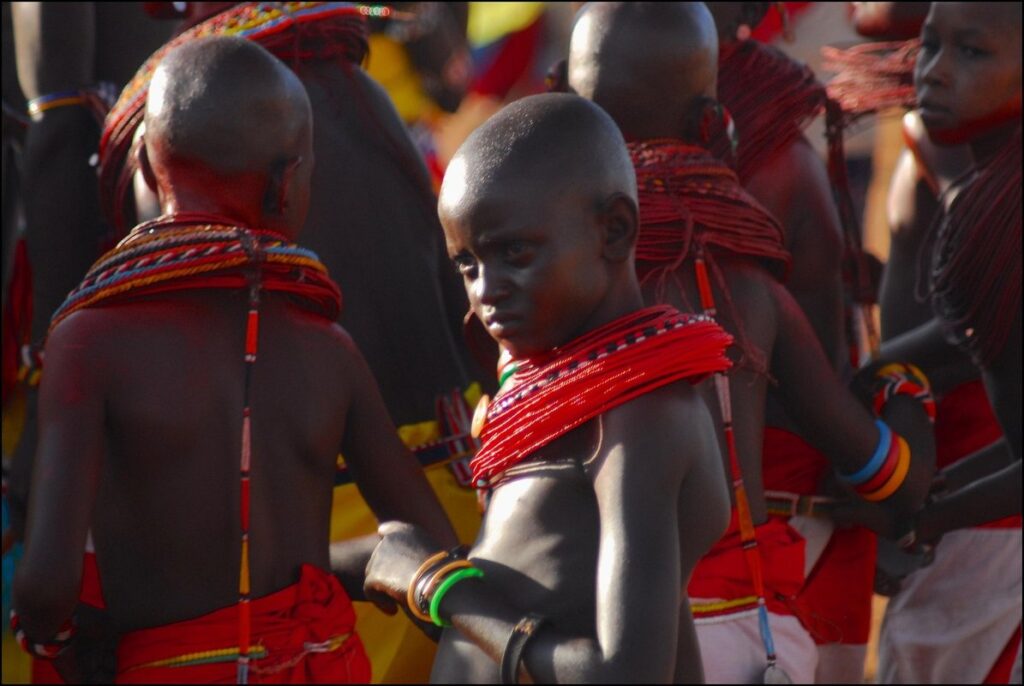
In many African cultures, initiation ceremonies play a vital role in transitioning young people into adulthood. One such example is circumcision, a practice that marks a boy’s transition from childhood to manhood. This rite of passage is often accompanied by scarification, where intricate designs are cut into the skin to signify the individual’s new status. In some cultures, scarification is used to signify spiritual and cultural identity, while in others it serves as a symbol of masculinity.
For instance, in the Maasai community of East Africa, circumcision is a crucial step in becoming a warrior. Boys as young as 12 are circumcised and then undergo a series of rituals to prepare them for their new role. They are expected to demonstrate bravery and strength, and are often given new names to reflect their transition into manhood.
In some cultures, initiation ceremonies are not limited to boys. In the Yoruba culture of West Africa, girls undergo a similar initiation process, where they are scarified and given new names to signify their transition into womanhood. These ceremonies serve as a reminder of the importance of respecting tradition and cultural heritage. By understanding and participating in these initiation ceremonies, young people are able to connect with their cultural roots and develop a sense of identity and belonging.
Coming of Age Traditions in Eastern Cultures
In Eastern cultures, coming of age traditions often involve spiritual and ceremonial rites, marking a young person’s transition from childhood to adulthood. Let’s take a closer look at these unique and fascinating customs.
Japanese Coming of Age Traditions
Seijin no Hi, Japan’s national Coming of Age Day, is a significant tradition that marks the transition of young people to adulthood. On this day, typically held on the second Monday of January, 20-year-olds from all over the country gather to celebrate this milestone. The holiday is a celebration of the young person’s independence, self-reliance, and responsibility, and it is a time for family and friends to come together to honor this important life stage.
The tradition is deeply rooted in Japanese culture, where respect for elders and tradition is deeply ingrained. In many Japanese families, Coming of Age Day is a time for gift-giving, with the young person receiving a traditional gift, such as a handmade accessory or a decorative item. It is also a time for reflection, with the young person contemplating their future and the responsibilities that come with adulthood.
In many ways, Seijin no Hi is a celebration of the young person’s emergence into adulthood, but it is also a reminder of the importance of tradition and community in Japanese culture. As the young person embarks on this new chapter, they are surrounded by the support and guidance of their family and community, a vital part of Japanese tradition.
Indian Coming of Age Traditions
In Hindu culture, the Upanayana ceremony marks a boy’s transition to manhood, symbolizing his entry into spiritual education and the sacred life of a Brahmin. This sacred thread ceremony is steeped in tradition and spiritual significance, with roots in ancient Hindu texts. During the ceremony, a sacred thread is wrapped around the boy’s shoulder, signifying his new status as a member of the Brahmin class. The thread, or Yajnyopavit, is said to hold spiritual power, protecting the wearer from harm and promoting spiritual growth. The Upanayana ceremony is not just a ritual, but a rite of passage that underscores the importance of spiritual education and the pursuit of knowledge. Typically performed between the ages of 8 and 12, the ceremony is often followed by a period of intense study and spiritual practice. By participating in the Upanayana, boys are introduced to the rich cultural heritage of Hinduism, and are expected to carry on the traditions and values of their community.
Coming of Age Traditions in Western Cultures
Coming of age traditions in Western cultures are shaped by history, faith, and community, often marked by significant rituals and ceremonies that signal a major life transition. We’ll explore some of these customs in more detail.
European Coming of Age Traditions
In European cultures, coming of age traditions have a rich history and significance, often tied to Christian sacraments. The Christian sacrament of confirmation, for example, is typically administered to children around the age of 7-12, marking their transition from childhood to adolescence. This rite of passage serves as a public declaration of faith, and in some countries, it’s also a time for the young person to choose their patron saint. Over time, European coming of age traditions have evolved to reflect changing social and cultural norms. In the Middle Ages, for instance, the age of majority was around 21, but as societal expectations shifted, this threshold was lowered to 18 in many countries. Today, the timing and form of these traditions vary across Europe, with some countries, like Germany and Austria, celebrating a formal “coming of age” day at 18, while others, like the UK, observe a more informal transition.
American Coming of Age Traditions
In the United States, milestone events play a significant role in marking a young person’s transition to adulthood. Sweet 16 parties, for instance, have become a staple of American culture, symbolizing a girl’s passage from adolescence to young adulthood. These parties often feature music, dancing, and celebration with friends and family. However, it’s essential to note that not all cultures within the United States observe this tradition.
High school graduations also serve as a significant coming of age milestone in American culture. These ceremonies mark a student’s completion of high school and often signal their readiness to enter adulthood. Graduations are typically attended by friends, family, and educators, and are seen as a time for celebration and recognition of a student’s academic achievements. Some families also use this occasion to discuss expectations and responsibilities with their children.
A small minority of families in the United States also observe more traditional coming of age rituals, such as the Quinceañera for Latinx girls or the Bar/Bat Mitzvah for Jewish boys. These ceremonies often involve prayer, music, and celebration with friends and family, and serve as a way to acknowledge a young person’s growing independence and responsibility.
The Modern Significance of Coming of Age Traditions
Coming of age traditions hold a unique place in modern society, serving as a reminder of cultural heritage and timeless human experiences that transcend generations. From spiritual rites to celebratory ceremonies, these practices remain relevant today.
Adapting Traditional Rituals to Modern Times
In many modern societies, traditional coming of age practices are struggling to survive. As communities become increasingly secular and diverse, the old ways of transitioning from childhood to adulthood are being lost. One of the main challenges is that these rituals often rely on shared cultural values and social cohesion, which are eroding in the face of globalization and urbanization.
To revitalize these traditions, some communities are turning to creative reinterpretations. For instance, in Japan, the traditional Coming of Age Day ceremony is being reimagined to include modern elements such as social media promotion and online registration. Similarly, some Native American tribes are incorporating traditional teachings into modern youth programs, like wilderness survival and leadership training.
Other communities are experimenting with new formats for traditional rituals. For example, some African tribes are now holding coming of age ceremonies in urban centers, where young people can connect with their heritage while still being mindful of modern realities. By finding innovative ways to adapt and reinterpret traditional practices, these communities are ensuring that their coming of age traditions continue to thrive in the 21st century.
Coming of Age in the Digital Age
The digital age has dramatically altered the coming of age experience, particularly among young people in Western cultures. Social media platforms have become a hub for self-expression and identity formation, often replacing traditional coming of age rituals. For instance, many teens now share their “coming of age” moments on Instagram, seeking validation and likes from their peers. This has led to the emergence of new, digital-based practices, such as online coming of age ceremonies and virtual “rites of passage.”
However, this shift has also sparked concerns about the loss of traditional coming of age rituals and the potential for superficiality in digital-based practices. Some argue that social media has created a culture of curated identity, where young people present a idealized version of themselves rather than embracing their authentic selves. In response, parents, educators, and community leaders are exploring ways to integrate digital technology with traditional coming of age practices, creating a more holistic and meaningful experience for young people.
Consider incorporating digital elements that complement traditional rituals, such as creating a social media campaign to promote a community-based coming of age ceremony or using online platforms to connect with elders and learn about traditional practices. By doing so, you can help young people navigate the complexities of identity formation in the digital age.
Conclusion
As we conclude our journey through the diverse and fascinating world of coming of age traditions, let’s reflect on the common threads that connect these significant milestones across cultures.
The Enduring Importance of Coming of Age Traditions
Coming of age traditions serve as a unifying force across cultures, fostering a sense of community and shared identity. These rituals are often tied to a person’s transition from childhood to adulthood, marking a significant milestone in their life journey. By participating in these traditions, individuals develop a deeper understanding of their cultural heritage and their place within it.
One of the key roles of coming of age traditions is to shape individual identity. For example, in many Indigenous cultures, coming of age rituals involve a series of challenges and tests designed to push the individual beyond their comfort zone. By facing these challenges, the young person develops resilience, self-reliance, and a stronger sense of self. This, in turn, enables them to take on new responsibilities and contribute meaningfully to their community.
Coming of age traditions also play a vital role in maintaining community cohesion. In many cultures, these rituals bring together extended family members, community leaders, and the individual themselves to celebrate and affirm their transition to adulthood. This collective acknowledgment reinforces social bonds and reinforces the individual’s connection to their community.
As we look to the future, it’s essential to recognize the importance of preserving and adapting coming of age traditions. By doing so, we can ensure that these meaningful rituals continue to shape individual identity and community cohesion, even as cultural contexts and circumstances evolve. In fact, many communities are successfully reviving and reinterpreting traditional coming of age rituals to meet the needs of modern society. By embracing these traditions, we can draw strength from our collective heritage and foster a deeper sense of connection and belonging.
Frequently Asked Questions
Can I adapt coming of age traditions to fit my family’s cultural background?
You can certainly blend elements from different cultures to create a unique coming of age tradition that reflects your family’s heritage. Research and incorporate rituals that resonate with your cultural background, and feel free to modify them to suit your needs. This approach allows you to honor your roots while also making the tradition relevant to your family’s present.
How can I ensure my coming of age tradition is inclusive of all participants?
Inclusivity is crucial when creating a coming of age tradition. Consider the needs and preferences of all participants, including those with disabilities, different cultural backgrounds, and varying levels of spiritual practice. Be open to feedback and suggestions, and make adjustments as necessary to create a welcoming and inclusive environment.
What if I’m not sure which coming of age tradition to choose?
Choosing a coming of age tradition can be overwhelming, especially with the many options available. Start by researching different cultures and traditions, and consider what aspects resonate with you and your family. You may also want to consult with community leaders or spiritual advisors to help guide your decision.
Can I create a modern coming of age ritual that still honors traditional practices?
Yes, you can create a modern coming of age ritual that incorporates traditional elements while still being relevant to contemporary society. Consider incorporating technology, such as digital art or social media, to make the tradition more accessible and engaging. Be mindful of the cultural significance of traditional practices and strive to honor their intent while adapting them for the present.
How can I balance the desire for a meaningful coming of age tradition with the pressure of modern society?
Balancing tradition and modernity can be a challenge. Remember that coming of age traditions are meant to be meaningful and personal, so prioritize what truly matters to you and your family. While it’s essential to be mindful of societal expectations, don’t feel pressured to conform to norms that don’t align with your values or cultural heritage.