Cultural crafts have been an integral part of human expression for centuries, reflecting the values, traditions, and innovations of ancient civilizations to modern-day artisans. From intricate textiles to delicate ceramics, these traditional practices not only showcase craftsmanship but also carry the weight of history and cultural identity. As the world becomes increasingly globalized, it’s essential to preserve heritage through hands-on learning and sustainable practices that honor the past while embracing the present.
The techniques and traditions passed down through generations can be found in various forms, from the delicate pottery of ancient Greece to the vibrant textiles of India. Yet, many of these cultural craft activities are facing threats due to modernization and environmental concerns. This article will explore the world of cultural crafts, highlighting their significance, innovations, and challenges. By the end of this journey, you’ll gain a deeper understanding of how to preserve heritage through hands-on learning and sustainable practices.
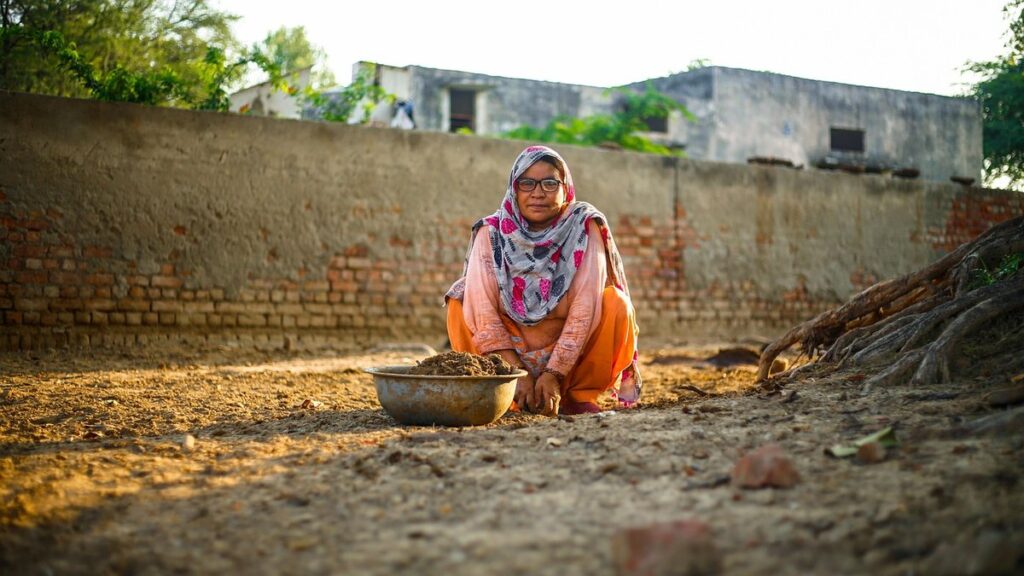
The Significance of Cultural Crafts
Cultural crafts hold a special place in preserving and celebrating the heritage of different communities, offering a glimpse into their history and values. From intricate patterns to vibrant colors, these crafts are more than just decorative pieces.
Preserving Heritage through Hands-On Learning
Preserving heritage through hands-on learning is an effective way to understand and appreciate cultural crafts. By engaging with traditional techniques and materials, individuals can develop a deeper connection to their community’s history and values. This connection fosters empathy and respect for the craft’s significance.
To illustrate this point, consider visiting a local artisan who specializes in woodcarving. As you watch them carefully shape and refine a piece of wood into a beautiful figurine, ask about the story behind the design. They may tell you that the pattern is inspired by an ancient myth or that it represents a specific cultural symbol.
When participating in hands-on learning activities, it’s essential to approach the craft with humility and curiosity. This means being open to new techniques and willing to make mistakes. By embracing this mindset, you can not only learn from the artisan but also gain a deeper understanding of the cultural context surrounding the craft. Regular exposure to these experiences can lead to a more profound appreciation for cultural heritage.
Understanding Cultural Craft Traditions
Cultural craft traditions encompass a diverse range of practices, often deeply rooted in a community’s history and identity. Textiles are a fundamental aspect of many cultural crafts, with techniques like weaving, knitting, and embroidery being passed down through generations. The intricate patterns and designs woven into fabrics serve not only as functional elements but also as symbols of heritage.
Pottery is another significant tradition, where artisans shape and fire clay to create vessels, ornaments, or other functional items. Techniques vary greatly across cultures, with some using hand-building methods while others rely on the potter’s wheel. The process of creating pottery often involves a spiritual connection to the earth and the materials used.
Woodcarvings are also an essential part of many cultural crafts, with examples ranging from intricate figurines to functional items like spoons and paddles. Carvers use various tools to shape wood into desired forms, sometimes incorporating symbolism or storytelling elements. Understanding these traditions requires acknowledging the importance of community involvement and apprenticeship – often a crucial step in mastering a craft.
The Importance of Cultural Craft Education
Learning cultural craft techniques is not just a matter of mastering an art form; it’s also about preserving the traditions and values associated with those crafts. When we pass on these skills to future generations, we’re sharing more than just techniques – we’re transmitting the history, context, and significance behind each craft.
Consider the example of indigenous textiles in Latin America, where intricate patterns and designs not only showcase artistic skill but also convey cultural identity. Without education and preservation efforts, these traditional crafts risk being lost as younger generations adopt more modern ways of creating art.
To ensure the continuation of these traditions, it’s essential to incorporate cultural craft education into formal and informal learning environments alike. This can involve mentorship programs where experienced artisans share their knowledge with apprentices or hands-on workshops that allow participants to experiment with various techniques.
Ultimately, preserving cultural crafts is about safeguarding a part of our collective heritage. By investing in the education and transmission of these skills, we’re not only enriching individual lives but also contributing to the richness and diversity of global cultural landscapes.
History of Cultural Crafts
From intricate woodcarvings to vibrant textiles, cultural crafts have been a cornerstone of human expression for centuries. Let’s take a closer look at the rich history behind these traditional techniques.
Ancient Civilizations and Their Craft Traditions
The rich heritage of ancient civilizations has greatly influenced the development of cultural crafts. In Egypt, hieroglyphics were a cornerstone of artistic expression, used to adorn temples and tombs with intricate carvings and paintings. The Greeks made significant contributions to pottery, creating red-figured vases that showcased their mastery of technique and storytelling.
In Mesopotamia, textiles played a vital role in daily life and trade. Weavers produced intricately patterned fabrics using wool and linen, often incorporating symbolic motifs and mythological creatures. These examples demonstrate the importance of cultural crafts in ancient societies, where artistry and technical skill were highly valued.
When exploring the techniques used by these civilizations, it’s essential to consider the tools and materials available at the time. For instance, ancient Egyptian potters relied on wooden wheels and hand-building methods to create their distinctive wares. By studying the historical context of cultural crafts, we can gain a deeper appreciation for the skill and creativity that went into their creation.
Medieval and Renaissance Era Developments
During the medieval period, European craftsmen developed advanced techniques in metalworking, woodworking, and textiles. The introduction of new tools, such as the lathe and the waterwheel, enabled mass production and standardization of goods like pottery, glassware, and jewelry. Craft guilds emerged, providing training for apprentices and establishing strict controls over production quality.
In the Renaissance era, artists and craftsmen sought to revive classical Greek and Roman techniques. This revival led to significant improvements in craftsmanship, particularly in painting, sculpture, and architecture. Many artists began using oil paints, which allowed for greater depth and luminosity in their work. Woodcarving and stone carving also experienced a resurgence during this period.
One notable example of Renaissance-era innovation is the development of perspective in art. Artists like Leonardo da Vinci and Michelangelo experimented with new techniques to create a sense of depth on flat surfaces. This had a lasting impact on artistic expression, influencing generations of craftsmen and artists. By studying these historical developments, contemporary crafters can gain insight into the evolution of various techniques and appreciate the contributions of their predecessors.
Modern Cultural Crafts
As you explore cultural craft activities, let’s look at some contemporary examples that blend traditional techniques with modern materials and styles. These innovative crafts showcase how heritage meets creativity.
Contemporary Craftsmanship and Innovation
In modern-day cultural crafts, innovation and tradition often walk hand in hand. Skilled craftsmen and women are continually pushing boundaries by experimenting with new materials and methods while staying true to their heritage. For instance, some ceramic artists are now using 3D printing technology to create intricate designs that were previously impossible to achieve by hand.
However, this integration of modern techniques doesn’t mean abandoning traditional practices altogether. Many contemporary craftsmen still employ age-old techniques such as hand-building or wheel-throwing to craft unique pieces that showcase their mastery over the material. This blending of old and new has led to a fascinating evolution in cultural crafts, where artisans can now combine tried-and-true methods with cutting-edge tools and technologies.
Artisans who aim to innovate while honoring tradition must balance experimentation with preservation. This might involve researching historical techniques or collaborating with fellow craftsmen to develop new ways of working. By doing so, they can not only create stunning pieces but also keep their craft alive for future generations.
Sustainable Practices in Cultural Crafting
When it comes to cultural crafting, sustainability is becoming an increasingly important consideration. This is reflected in the way many crafters approach their work today. Repurposing and upcycling are two popular eco-friendly approaches that allow for creative reuse of materials. For example, old t-shirts can be transformed into reusable bags or cleaning rags, while cardboard tubes can become unique plant markers.
Another key aspect of sustainable cultural crafting is minimizing waste. This can involve planning projects carefully to avoid generating excess material, using scraps creatively in subsequent projects, and repurposing items that might otherwise end up in the landfill. Some crafters also adopt practices like zero-waste dyeing, where natural materials are used to achieve desired colors rather than commercial dyes with their associated chemicals.
Incorporating sustainable practices into cultural crafting not only benefits the environment but can also be a source of inspiration and creativity for artists. By embracing eco-friendly approaches, crafters can reduce their ecological footprint while still producing unique and meaningful works.
Regional and Global Influences
As you explore cultural craft activities, it’s fascinating to see how regional traditions blend with global influences, shaping unique techniques and styles. Let’s take a closer look at these cross-cultural exchanges.
Traditional Crafts from Around the World
From the intricate patterns of African batik to the delicate brushstrokes of Japanese sumi-e, traditional crafts from around the world offer a glimpse into the rich cultural heritage of diverse communities. In Mexico, artisans weave vibrant textiles that reflect the country’s indigenous and Spanish influences.
When working with regional crafts, it’s essential to respect the techniques and traditions passed down through generations. For instance, batik requires a specific technique of wax-resist dyeing that can only be mastered through hands-on practice. Similarly, sumi-e is an ancient Japanese art form that demands great patience and control over the brush.
To incorporate these unique crafts into your own activities, start by researching local artisans or online tutorials that provide step-by-step instructions. In some cases, you may find that regional crafts are more accessible than others due to factors like availability of materials or cultural sensitivity. For example, creating Mexican textiles might be challenging without access to specific dyes or looms, but African batik can often be adapted using household items. By embracing the diversity of traditional crafts and being mindful of their cultural context, you can gain a deeper appreciation for the artistry and history behind each piece.
Cultural Exchange through Craft Collaborations
International collaborations have led to a rich exchange of ideas and techniques in cultural crafting traditions. For instance, Japanese-American artist Jun Igarashi’s work combines traditional Japanese woodworking with modern American design sensibilities. This blending of styles not only showcases the beauty of both cultures but also creates something entirely new.
In Mexico, artisans from different regions collaborate on traditional crafts like textiles and pottery. The result is a vibrant display of diverse techniques and patterns that reflect the country’s rich cultural heritage. Visitors to the city can witness this exchange firsthand at local markets or workshops.
To incorporate similar collaborative spirit into your own crafting practice, consider reaching out to fellow crafters from different backgrounds through online forums or social media groups. Participate in international projects that bring together artists from diverse cultures and traditions. By doing so, you’ll not only gain a deeper understanding of various crafting techniques but also contribute to the evolution of cultural craftsmanship. Furthermore, you may discover new sources of inspiration for your own creative endeavors.
Materials and Techniques
Crafting traditional cultural activities often requires specific materials and techniques, passed down through generations, which we’ll delve into next to help you master them. Let’s explore the essential tools and methods used in various crafts.
Natural Materials in Cultural Crafting
Many cultural craft traditions rely on natural materials to create vibrant textiles, intricate patterns, and durable tools. Plant dyes, for instance, are used in textile production to achieve a wide range of colors. In Japan, the art of indigo dyeing has been perfected over centuries, with artisans carefully selecting the right plant varieties and processing methods to achieve deep blues and purples.
Wood fibers have also been utilized extensively across various cultures, particularly in basket-weaving traditions. The indigenous peoples of North America, for example, have long used cedar bark and cattail fluff to create sturdy yet lightweight containers. Similarly, stone has been employed in tool-making and jewelry crafting, as seen in ancient civilizations such as Egypt and Greece.
When working with natural materials, it’s essential to consider the environmental impact of sourcing and processing these resources. Artisans often need to balance their reliance on traditional techniques with sustainable practices that minimize waste and preserve biodiversity. By doing so, they can ensure the long-term viability of their craft traditions while respecting the natural world from which they draw inspiration.
Innovative Materials and Technologies in Crafting
The incorporation of modern materials and technologies has significantly impacted traditional crafts. Many artisans are now experimenting with innovative materials such as recycled glass, LED lights, and digital printing techniques to give their work a unique twist. For example, some potters are using LED lights to create intricate designs on ceramics, while others are incorporating recycled glass into their sculptures.
Some craftsmen are also leveraging technology to streamline traditional processes. Digital printing allows for more precise color matching and faster production times, making it easier to mass-produce handmade items without sacrificing quality. However, some argue that this blending of old and new techniques may compromise the authenticity and cultural significance of the craft.
Others see this fusion as a natural evolution of traditional crafts, allowing them to reach wider audiences and stay relevant in modern times. A good example is the use of digital tools to create patterns and designs for traditional textiles, which can then be replicated using handloom or other traditional methods.
Teaching and Learning Cultural Crafts
When exploring cultural crafts, it’s essential to learn from experienced artisans who can pass down traditional techniques and stories behind each craft. In this next part, we’ll share expert advice on how to teach and learn these delicate skills.
Workshops and Classes for Hands-On Experience
Many cultural centers, museums, and community organizations offer workshops and classes where individuals can learn traditional crafts from experienced instructors. These hands-on experiences provide an opportunity to engage with the craft’s techniques, materials, and history. For example, a visitor to a Native American reservation might attend a basket-weaving class taught by a member of the local tribe.
When selecting a workshop or class, consider the level of expertise you’re looking for: beginner-friendly sessions are often available alongside more advanced classes. Some organizations also offer multi-day intensives that allow participants to immerse themselves in a particular craft over an extended period. Research local listings online or check with nearby cultural institutions directly to find opportunities in your area.
In addition to formal workshops, many artisans and craftspeople now offer private lessons or apprenticeships for those seeking more personalized instruction. These arrangements can provide a deeper understanding of the craft’s nuances and allow you to work closely with an experienced practitioner.
Digital Platforms and Resources for Craft Enthusiasts
Online platforms have democratized access to cultural craft techniques, providing enthusiasts with a wealth of resources to learn from experts worldwide. Websites like Craftsy and Creativebug offer video tutorials and online courses taught by accomplished artisans. These platforms cover various crafts, including textiles, ceramics, and woodworking.
Craft communities on social media platforms such as Instagram and Facebook Groups also facilitate knowledge sharing and skill development. For instance, the Instagram account @TheSpruce Crafts features step-by-step guides and tutorials for traditional crafts like knitting and quilting. Online forums dedicated to specific crafts, like woodturning or blacksmithing, allow enthusiasts to ask questions, share projects, and receive feedback from experienced practitioners.
Many cultural organizations and museums also provide online resources for learning craft techniques. For example, the Smithsonian’s Center for Folklife Programs and Cultural Heritage offers digital exhibitions and tutorials on traditional crafts from around the world. These platforms not only preserve cultural heritage but also make it accessible to a broader audience, promoting cross-cultural understanding and appreciation of traditional crafts.
Frequently Asked Questions
How can I start incorporating sustainable practices into my cultural craft activities?
You can begin by researching eco-friendly materials and techniques, such as using natural dyes or repurposing materials. Consider joining online communities or workshops that focus on sustainable crafting to learn from others and get hands-on experience.
Can I combine different cultural crafts traditions in one project, and if so, how do I ensure it’s respectful?
Yes, combining different cultural crafts can be a great way to create something unique. Be sure to research the specific traditions you’re working with and understand any cultural or spiritual significance associated with them. It’s essential to be mindful of cultural appropriation and to give proper credit to the originating culture.
What if I’m new to cultural crafting, and I don’t know where to start? Are there any beginner-friendly resources?
Yes, there are many online platforms, tutorials, and communities dedicated to teaching cultural craft techniques for beginners. Look for courses or workshops that focus on introductory materials and techniques, and don’t be afraid to ask questions or reach out to more experienced crafters for guidance.
How can I adapt traditional cultural crafts to accommodate my own physical limitations?
Consider working with adaptive tools or modifying techniques to suit your needs. Many modern craftsmen and women have successfully adapted traditional methods to create accessible and inclusive practices. Look for resources online, join a community of adaptive crafters, or consult with an instructor who specializes in adapting techniques for individuals with disabilities.
What if I want to teach cultural crafts to others, but I’m not sure where to start or how to ensure it’s done respectfully?
Start by developing your own skills and knowledge in the specific tradition you’re interested in teaching. Research the cultural context and any relevant protocols for sharing knowledge. Consider partnering with an experienced teacher or joining a community of educators who specialize in cultural craft instruction.