Italy’s rich food heritage is a treasure trove waiting to be explored, with each region boasting its own unique specialties and ingredients that have been passed down through generations. From the creamy risottos of Piedmont to the seafood-infused dishes of Sicily, Italy’s culinary traditions are as diverse as they are delicious. However, this heritage is also facing significant challenges, including the impact of globalization on local food systems and the struggle to preserve traditional cooking techniques in a world dominated by modern conveniences. In this article, you’ll embark on a journey through the cultural foods of Italy, learning about regional specialties like pasta carbonara from Rome and osso buco from Milan, as well as the key ingredients that make each dish truly authentic. By the end of this culinary adventure, you’ll have a deeper understanding of Italy’s rich food heritage and its challenges.
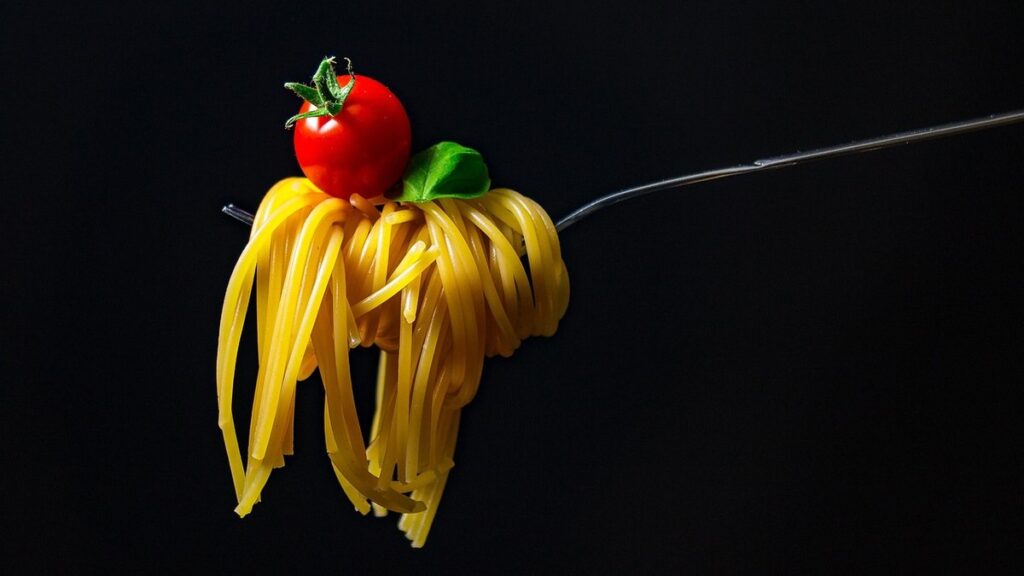
Exploring Italian Cuisine
Italian cuisine is as diverse as its regions, each with its own unique flavors and ingredients that have been shaped by history, culture, and geography. From hearty pasta dishes to rich risottos, we’re about to explore some of Italy’s most beloved culinary staples.
Origins and History
Italian cuisine has its roots in ancient Rome, where Mediterranean staples like olives, garlic, and fresh vegetables were staples of the diet. The Roman Empire’s vast trade network brought exotic spices and ingredients from across the Mediterranean, which were incorporated into traditional dishes. As the empire expanded, Italian food was influenced by various cultures, including Greek, Arabic, and Norman invasions.
The legacy of these cultural exchanges can be seen in popular Italian dishes like pizza, which originated in Naples as a flatbread topped with tomatoes, garlic, and olive oil – ingredients introduced by the Spanish during their rule. Similarly, the Sicilian dish arancini was influenced by Arab traders who brought rice to the island.
Over time, regional traditions emerged, shaped by local ingredients and historical events. For example, the seafood-rich cuisine of Southern Italy developed due to its proximity to the Mediterranean Sea. The north’s focus on rich meat sauces and risotto was influenced by the region’s fertile plains and access to game meats. Understanding these historical influences helps appreciate the diversity and depth of Italian cuisine, which continues to evolve today.
Key Ingredients and Staples
Italian cooking relies heavily on a few fundamental ingredients that are used to create a wide range of dishes. At its core, Italian cuisine revolves around olive oil, garlic, onions, and tomatoes. These staples are often combined with pasta, which is a classic Italian food, but one that varies greatly from region to region in terms of shape, size, and type. Cheese, particularly Parmesan and Mozzarella, also play a crucial role in many Italian recipes.
When it comes to olive oil, Italians typically use extra-virgin olive oil for cooking, as its rich flavor is not overpowered by heat. Garlic and onions are commonly sautéed together at the beginning of most sauces, adding depth and complexity to the dish. Fresh tomatoes are used in a variety of ways, from sauces to soups, while dried tomatoes add a concentrated tomato flavor. Regional variations include the use of different pasta shapes and flavors of cheese.
Some regions also incorporate other key ingredients, such as seafood in the south or game meats in Tuscany. Knowing these fundamental ingredients can help you create authentic Italian dishes at home. For example, combining olive oil with garlic, onions, and tomatoes creates a simple yet flavorful sauce that can be served over pasta.
Regional Specialties
From the rich pasta dishes of Tuscany to the seafood risottos of Campania, Italy’s culinary landscape is as diverse as its regions. Each area boasts a unique flavor profile shaped by local ingredients and traditions.
Northern Italy: A Land of Rich Flavors
Northern Italy is renowned for its rich and diverse culinary landscape. The Po Valley, a vast agricultural region, produces some of the country’s most celebrated ingredients, including Arborio rice, which is the foundation for creamy risottos found throughout the north. These comforting dishes are often flavored with Parmigiano-Reggiano cheese and herbs like parsley or basil.
In the Trentino-Alto Adige region, polenta made from cornmeal is a staple side dish, particularly during the winter months when game meats like wild boar are commonly served. This hearty combination of flavors and textures showcases the north’s rustic yet refined culinary traditions.
Milan, the country’s fashion capital, boasts its own iconic dish: osso buco, braised veal shanks in a rich broth flavored with white wine and gremolata. This classic dish is often associated with buttery risottos and sautéed vegetables like asparagus or bell peppers.
While butter and cream are used liberally throughout the north, they’re balanced by an abundance of fresh produce, herbs, and seasonal ingredients that add depth and complexity to local specialties.
Central Italy: The Birthplace of Pasta
Central Italy is a culinary treasure trove, particularly when it comes to pasta. This region is where spaghetti carbonara originated in Rome, with its rich yet subtle flavors of eggs, parmesan, and guanciale. Tuscany, on the other hand, boasts pappardelle paired with a wild boar ragù that’s slow-cooked to perfection. Meanwhile, Florence is famous for its ribollita, a hearty soup made from leftover vegetables, bread, and cannellini beans.
Olive oil plays a starring role in Central Italian cuisine, often used to dress pasta dishes or as a finishing touch for sauces. Fresh herbs like basil, rosemary, and sage add depth and fragrance to many recipes. The region’s emphasis on local ingredients is evident in the simplicity of its pasta dishes – let’s face it, when you have exceptional olive oil and fresh vegetables, why mask their flavors with overly complex sauces?
To experience Central Italy’s authentic pasta culture, look for restaurants serving traditional dishes like cacio e pepe or amatriciana. These establishments often use high-quality ingredients and age-old techniques to create unforgettable meals. By trying these regional specialties, you’ll gain a deeper appreciation for the importance of olive oil and herbs in shaping this part of Italian cuisine.
Southern Italy: A Region of Seafood and Spice
Southern Italy is a treasure trove of bold flavors, with seafood taking center stage. A classic Campanian dish like fritto misto showcases the region’s love for frying and mixing various fish and seafood in one delicious plate. The combination of crispy fried calamari, shrimp, and whitebait served with a side of tangy lemon wedges is a staple at many local trattorias.
In Apulia, grilled octopus is a popular summer dish, often paired with a drizzle of olive oil and a sprinkle of sea salt to bring out the tender flavors. Calabria’s eggplant parmesan, on the other hand, may not seem like a traditional seafood dish, but it’s a testament to the region’s resourcefulness in making the most of what’s available.
The use of hot peppers and garlic is also a defining characteristic of Southern Italian cuisine. The spicy kick from peppers like ‘nduja or peperoncino adds depth and heat to many dishes, while garlic is used liberally to add aroma and flavor. When cooking with these ingredients, remember that a little goes a long way – start with a small amount and adjust to taste. By embracing the bold flavors of Southern Italy, you can create authentic dishes that will transport your taste buds to the sun-kissed Mediterranean coast.
The Art of Italian Cooking
As we explore Italy’s rich culinary heritage, no tradition is more revered than the art of preparing authentic Italian dishes from scratch. Let’s take a closer look at the techniques and ingredients that bring these beloved meals to life.
Techniques and Methods
Italian cooking techniques are built on a foundation of simplicity and respect for fresh ingredients. Braising is a fundamental method that involves cooking tougher cuts of meat low and slow to tenderize them. A classic example of braising is the Italian beef stew, where beef short ribs are cooked in a rich broth with vegetables like carrots and celery. The key to successful braising is to use a heavy pot with a tight-fitting lid to trap moisture and heat.
Roasting brings out the natural sweetness in ingredients like root vegetables and meats. Italians often roast vegetables like eggplant and zucchini as a side dish, and meats like chicken and pork can be roasted to perfection for main courses. Grilling is another popular technique that adds smoky flavor to dishes like bruschetta and paninis.
When it comes to frying, Italians favor the light, crispy texture of tempura-style batter over heavy breading. This approach allows the natural flavors of ingredients to shine through in dishes like fried calamari and arancini. Remember, the key to mastering these techniques is to use high-quality ingredients and respect the simplicity of each dish. Fresh herbs like basil and parsley add a burst of flavor without overpowering the other ingredients.
The Role of Family and Tradition
In Italian culture, food is not just sustenance – it’s a way to connect with family and heritage. Passing down traditional recipes from generation to generation is a revered tradition that strengthens ties between loved ones. For many Italians, the art of cooking is a family affair, where grandmothers (nonne) teach their daughters and daughters-in-law the secrets of old-world dishes.
These recipes are often imbued with emotional significance, as they evoke memories of special occasions, holidays, and milestones. Think about it: when you take a bite of your nonna’s famous lasagna or chicken cacciatore, you’re not just tasting a dish – you’re experiencing a piece of family history. This emotional connection to traditional dishes is what makes Italian food so rich in cultural significance.
To incorporate this tradition into your own cooking, try asking an older relative about their favorite family recipes. Learn the stories and secrets behind each dish, and don’t be afraid to experiment with new ingredients or techniques while staying true to the original recipe. By doing so, you’ll not only preserve a piece of Italian heritage but also create lasting memories for your loved ones.
Modern Twists on Classic Dishes
We’re taking Italy’s beloved classics and giving them a fresh spin, from innovative pasta combinations to reinvented risottos that will make you rethink traditional Italian cuisine. Get ready for a taste adventure!
Innovative Ingredients and Flavors
Modern Italian chefs are no longer bound by traditional recipes and techniques. Instead, they’re embracing innovation to create fresh takes on classic dishes. Plant-based and vegan options have become increasingly popular in Italian cooking, with many restaurants now offering separate vegetarian menus.
One area where modernity meets tradition is in the use of non-traditional ingredients like matcha powder, turmeric, and aubergine in pasta sauces. For example, some chefs are making pappardelle with roasted eggplant and tomato sauce infused with a hint of matcha for added depth. Others are using turmeric to give risotto a vibrant yellow color.
These new flavors and ingredients not only cater to growing demand from vegan diners but also add exciting twists to time-honored dishes. The rise of plant-based Italian cuisine has led to the creation of innovative products like vegan mozzarella and even meat-free prosciutto. These alternatives are perfect for chefs looking to experiment with new flavor profiles without compromising on authenticity.
Fusion Cuisine and Regional Reinvention
When Italian chefs combine their native flavors with international cuisines, something truly innovative is born. Take Japanese-Italian fusion, for instance: dishes like sushi-crust pizza and tonkatsu Milanese showcase the unique marriage of East meets West. In Korea, chefs are modernizing traditional Italian recipes by infusing them with bold spices and chilies. A classic carbonara now features gochujang instead of black pepper.
Regional reinventions are also on the rise, as chefs seek to put a new spin on beloved dishes from specific areas. Think of a Sicilian-style arancini stuffed with spicy Korean chorizo or Japanese wagyu beef. Even traditional pasta shapes are getting a makeover: think pappardelle made with squid ink and served with grilled octopus.
These modern twists not only showcase the adaptability of Italian cuisine but also highlight its ability to incorporate new flavors and techniques while remaining true to its roots. For adventurous cooks, this means experimenting with international ingredients in their own kitchens, creating a fusion dish that’s uniquely their own. To start, try combining a classic Neapolitan pizza topping like prosciutto with some spicy Korean chili flakes – the result is sure to be a flavor explosion.
Preserving Italy’s Culinary Heritage
Italian culinary traditions are being preserved through innovative methods, ensuring that regional specialties like pasta-making and cheese-crafting continue to thrive. From artisanal producers to family recipes passed down through generations.
Threats to Traditional Cuisine
Traditional Italian cuisine is facing numerous threats that put its cultural heritage at risk. Mass production and industrialization have led to a homogenization of flavors, as local ingredients are often replaced with cheaper alternatives. Globalization has also contributed to the decline of traditional cooking methods, as international chains and fast-food restaurants flood the market.
The loss of family recipes is another significant concern. As older generations pass away, their culinary knowledge and techniques are often lost forever. This not only erodes Italy’s cultural identity but also deprives future generations of a rich gastronomic heritage.
To mitigate these effects, it’s essential to preserve traditional Italian cuisine through various means. Home cooks can start by learning about and cooking family recipes from scratch. Chefs and restaurateurs can promote local ingredients and authentic cooking methods in their establishments. Additionally, efforts should be made to document and archive traditional recipes before they disappear.
By taking steps to preserve Italy’s culinary heritage, we can ensure that the country’s rich gastronomic traditions continue to thrive for generations to come. This includes supporting local farmers, promoting traditional cooking classes, and celebrating regional specialties through festivals and events.
Efforts to Save Italian Cuisine
Italian culinary heritage is facing numerous threats, from urbanization and globalization to climate change. To combat these challenges, initiatives are springing up across the country to preserve traditional cuisine. One such effort is the establishment of cooking schools that focus on teaching authentic regional techniques.
These schools provide a platform for young chefs to learn from experienced instructors while also promoting the importance of local ingredients and time-honored recipes. For instance, in Tuscany’s hills, there’s a small agriturismo offering hands-on pasta-making workshops. In Campania, a renowned chef has founded a cooking school dedicated to preserving Neapolitan cuisine.
Local markets are another vital component in preserving Italian culinary traditions. Many towns now host weekly or bi-weekly market days where artisanal producers sell their goods directly to consumers. This not only helps farmers and artisans connect with the local community but also promotes traditional foodways. Community-supported agriculture programs are also gaining traction, allowing consumers to purchase a share of a farm’s produce on a regular basis. By supporting these initiatives, Italians can ensure that their rich gastronomic heritage continues to thrive for generations to come.
Conclusion
As we conclude our culinary journey through Italy, let’s take a moment to reflect on the rich flavors and traditions that have captivated your senses throughout this exploration.
Final Thoughts on Italian Food Culture
Italian cuisine is more than just a reflection of its rich history and cultural heritage – it’s an integral part of the country’s identity. Throughout this journey through Italy’s culinary landscape, we’ve explored the regional specialties that showcase the diversity of the country’s food culture. From Northern Italy’s rich flavors to Southern Italy’s bold spices, each region has contributed to a unique tapestry of tastes and traditions.
The key ingredients and staples that underpin Italian cuisine – olive oil, pasta, tomatoes, and Parmesan cheese – are not just fundamental building blocks but also symbols of the country’s love for simplicity and quality. The art of Italian cooking is deeply rooted in family and tradition, with each generation passing down recipes and techniques to the next.
As we’ve seen, modern twists on classic dishes often blend innovative ingredients and flavors with a respect for heritage, resulting in exciting new creations that honor Italy’s culinary legacy while pushing its boundaries. Efforts to preserve traditional cuisine are also underway, from Slow Food initiatives to government programs aimed at promoting local produce and artisanal products.
For those eager to experience Italy’s rich food culture firsthand, there’s no shortage of opportunities. Visit the bustling markets in Rome or Florence, where fresh produce, meats, and cheeses await your discovery. Take a cooking class in Tuscany, where you can learn the secrets of traditional Italian cuisine from local experts. Or simply sit down at a trattoria and let the aromas and flavors transport you to the heart of Italy’s culinary world. By immersing yourself in the sights, sounds, and tastes of Italy’s food culture, you’ll gain a deeper appreciation for this incredible country and its people.
Frequently Asked Questions
Can I apply traditional Italian cooking techniques to modern recipes?
Yes, many modern chefs successfully blend traditional methods with innovative ingredients and flavors. For example, using a pressure cooker to speed up braising or incorporating new herbs like basil and oregano into classic sauces.
How can I preserve family recipes while still experimenting with new flavors and ingredients?
Start by documenting your favorite family recipes in a shared notebook or online recipe box. Then, experiment with small tweaks and substitutions to see what works best for you. This way, you’ll be able to maintain traditional techniques while adapting them to your personal taste.
What if I’m not comfortable cooking with certain ingredients like garlic or hot peppers?
You can still enjoy the flavors of Italian cuisine without using strong ingredients. Try substituting milder alternatives like onion powder or red pepper flakes, which provide a similar depth of flavor without the heat. You can also experiment with different seasoning combinations to find what works best for you.
How do I know when a traditional Italian dish is “done”?
Look for visual cues: pasta should be al dente (firm in the center), risotto should be creamy and tender, and osso buco should fall-off-the-bone tender. Pay attention to cooking times and temperature guidelines as well. Remember that practice makes perfect – don’t be discouraged if it takes a few tries to get it just right.
Can I use store-bought ingredients like jarred sauce or frozen vegetables in traditional Italian cooking?
While these shortcuts can save time, they often compromise on flavor and texture. For the best results, try using fresh, high-quality ingredients whenever possible – it’s worth investing in a few extra minutes of prep time for a richer, more authentic taste experience.