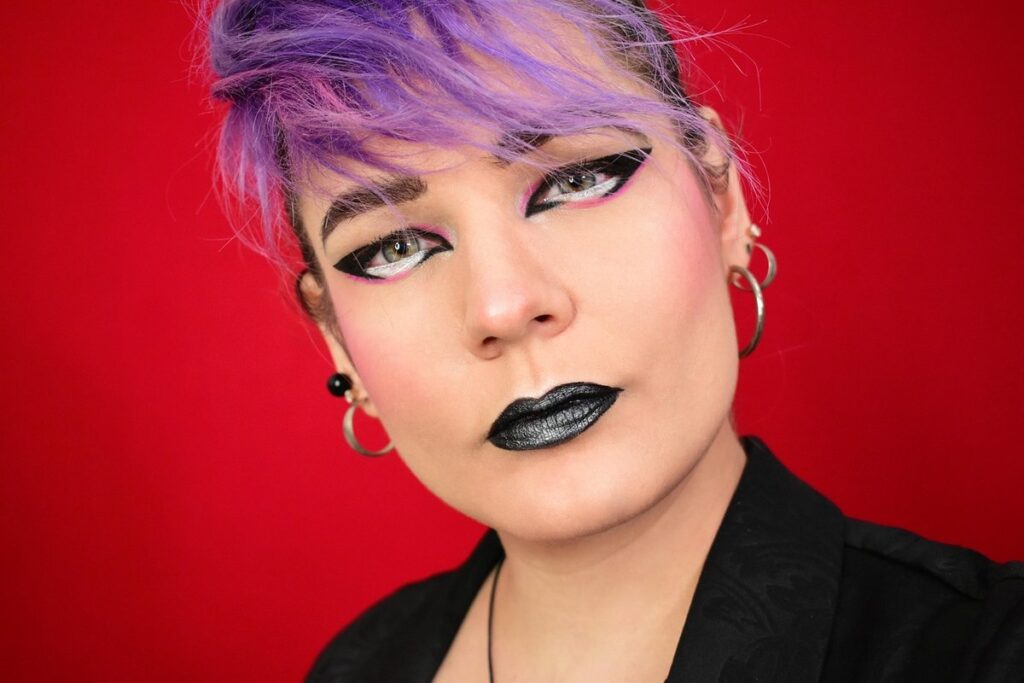
Counter culture has long been a driving force behind artistic innovation and social change. From the 1960s counterculture movement to the present day, this concept has challenged mainstream norms and promoted individuality and creativity. At its core, counter culture is about rejecting the conventional and embracing the unconventional, often in pursuit of a more authentic and meaningful way of living. But what exactly is counter culture, and how has it influenced art, music, and social change over the years? As we explore the concept of counter culture, we’ll delve into its history, its key characteristics, and its lasting impact on popular culture. By the end of this article, you’ll have a deeper understanding of what defines counter culture and how it continues to shape our world.

Defining Counter Culture
So, what exactly constitutes a counter culture? To put it simply, a counter culture is a subculture that rejects mainstream values and norms in favor of its own unique identity and practices.
Understanding the Concept of Counter Culture
Counter culture has its roots in the mid-20th century, emerging as a response to the conformity and materialism of mainstream American culture. The term “counterculture” was first coined in the 1960s to describe the hippie movement, which sought to reject mainstream values and create a new, more free-spirited way of living. This movement was characterized by a rejection of consumerism, a focus on alternative lifestyles, and a emphasis on personal expression and freedom.
In the 1970s and 1980s, the punk rock movement and the rise of alternative fashion further solidified the idea of counter culture as a rejection of mainstream norms. Today, counter culture exists in many forms, from indie music and art to alternative fashion and lifestyle choices. At its core, counter culture is about creating a sense of community and identity that is separate from the mainstream.
To understand counter culture, it’s essential to recognize that it’s not just a rejection of mainstream values, but also a creation of new values and norms. Counter culture is not just about what we reject, but also about what we create and build in its place. By embracing counter culture, individuals can find a sense of belonging and purpose that is not tied to mainstream expectations.
Identifying Key Characteristics of Counter Culture
Counter culture often rejects mainstream values and norms, embracing individualism and nonconformity instead. This can manifest as a rejection of consumer culture, where people opt for second-hand or DIY alternatives to mass-produced goods. For instance, the rise of thrift shopping and handmade crafts reflects a desire for unique, locally-sourced items that resist the homogenizing effects of globalization.
Another key characteristic of counter culture is its experimental approach to art and music. This can involve pushing the boundaries of what’s considered acceptable, such as in avant-garde fashion or radical sound art. For example, the 1960s counterculture’s emphasis on psychedelic rock and folk music reflected a desire to break free from the conventions of mainstream music.
In terms of creative expression, counter culture often values authenticity and originality over commercial success. This can lead to the creation of underground art scenes, where artists and musicians are driven by a passion for their craft rather than a desire for fame or fortune. By embracing these characteristics, individuals can tap into the counter cultural spirit, creating their own unique expressions of dissent and nonconformity.
Counter Culture vs. Counterculture
Counter culture and counterculture are often used interchangeably, but they have distinct meanings. Counter culture refers to a cultural movement that operates within the existing power structures, often with the goal of reforming or improving the current system. Counterculture, on the other hand, implies a more radical rejection of mainstream culture and values.
The distinction between these terms is not always clear-cut, and different groups have used them in varying contexts. For instance, the 1960s counterculture movement was a more radical departure from mainstream culture, with its emphasis on free love, communal living, and anti-establishment sentiment. In contrast, the 1990s grunge movement can be seen as a counter cultural movement, as it challenged mainstream music industry norms but still operated within the existing commercial framework.
To navigate the nuances of these terms, consider the following: if a movement is primarily focused on reforming the existing system, it’s likely a counter cultural movement. If, however, it seeks to reject mainstream culture and values entirely, it’s likely a countercultural movement. The key is to understand the specific goals and ideologies driving each movement.
The Role of Counterculture in Shaping Society
Counter culture has long played a significant role in challenging societal norms and pushing the boundaries of what’s acceptable, often resulting in lasting impact on social change. We’ll examine the ways in which counterculture has influenced the world around us.
Counterculture and Social Change
Counterculture has long been a driving force behind social change, challenging dominant ideologies and power structures to create a more just and equitable society. The 1960s counterculture movement, for example, rejected mainstream values of consumerism and conformity, advocating for a more free-spirited and inclusive way of living. This counterculture movement gave rise to the civil rights movement, anti-war activism, and the women’s liberation movement, all of which sought to challenge existing power structures and create social change.
In more recent years, countercultural activism has continued to push for social change. The Occupy Wall Street movement, for instance, aimed to challenge economic inequality and corporate power. The Black Lives Matter movement has similarly sought to challenge systemic racism and police brutality. These movements demonstrate the ongoing importance of counterculture in driving social change.
To contribute to social change, individuals can engage with countercultural movements and activism in various ways. This can include participating in protests and demonstrations, engaging in volunteer work, or supporting organizations that align with their values. By doing so, individuals can help challenge dominant ideologies and power structures, creating a more just and equitable society.
Counterculture and the Arts
Counterculture and the arts have long been intertwined, with creative expressions often serving as a catalyst for social commentary and critique. The 1960s counterculture movement, for instance, saw the rise of iconic artists like Andy Warhol and Jasper Johns, whose work challenged mainstream values and aesthetics. The Velvet Underground’s experimental music and Bob Dylan’s lyrical storytelling also reflected the era’s spirit of rebellion.
In literature, authors like Allen Ginsberg and William S. Burroughs used their writing as a form of social commentary, exploring themes of nonconformity and social critique. The Beats’ emphasis on spontaneity and free expression also paved the way for future countercultural movements.
Countercultural artists often used their work as a tool for social commentary, critiquing mainstream values and challenging the status quo. This can be seen in the work of artists like Jean-Michel Basquiat, who used his art to address issues of racism and social inequality. To apply this understanding, readers can look for artists and creatives who are pushing against mainstream norms and exploring new ways of expressing themselves.
The Impact of Counterculture on Mainstream Culture
Counterculture has a profound impact on mainstream culture, often influencing the way society thinks, behaves, and expresses itself. This influence can manifest in various ways, such as through fashion trends. For example, the punk movement’s anti-establishment ethos and DIY aesthetic eventually seeped into mainstream fashion, with high-end designers incorporating punk elements into their designs. Similarly, the hippie movement’s emphasis on peace, love, and environmentalism helped popularize these values in mainstream culture.
The counterculture’s impact on mainstream culture can also be seen in the arts. Countercultural artists often challenge societal norms and push boundaries, influencing the types of art that are created and celebrated. This can lead to a shift in the kinds of art that are mainstream, with more experimental and avant-garde works gaining recognition. For instance, the 1960s countercultural movement inspired artists like Andy Warhol and Robert Rauschenberg to create works that challenged traditional notions of art.
This influence is not always immediate, and it can take time for countercultural ideas to become mainstream. However, when they do, they often have a lasting impact on the way society thinks and behaves.
Examples of Counter Culture in Modern Times
Let’s take a closer look at how counter culture plays out in modern society, through examples of music, art, and fashion that challenge mainstream norms. From underground music festivals to avant-garde fashion trends.
The Rise of Alternative Subcultures
The rise of alternative subcultures has been a defining feature of counter culture in modern times. Movements like punk, goth, and hipster have not only provided a platform for self-expression but have also contributed to the evolution of counter culture. The punk movement, for instance, emerged in the late 1970s as a reaction against mainstream culture’s emphasis on commercialism and conformity. Its DIY ethos and anti-establishment stance paved the way for subsequent subcultures to challenge societal norms.
These alternative subcultures have also influenced mainstream culture, with elements of punk and goth fashion and aesthetics seeping into the fashion industry. The hipster movement, with its emphasis on artisanal goods and vintage aesthetics, has also been co-opted by mainstream brands. However, the impact of these subcultures extends beyond fashion. They have also challenged societal norms and values, providing a space for marginalized groups to express themselves and challenge dominant discourses.
The emergence of these alternative subcultures highlights the dynamic and adaptive nature of counter culture. As one subculture evolves or fades, another emerges to take its place, ensuring the continued relevance and vitality of counter culture.
The Impact of Social Media on Counter Culture
Social media has become a crucial platform for the creation and dissemination of counter cultural content. Online communities centered around specific interests or ideologies have sprung up, allowing individuals to connect with like-minded individuals and share their perspectives. These communities often use social media to promote alternative lifestyles, challenge mainstream norms, and create their own cultural artifacts.
Platforms like Instagram, TikTok, and YouTube have enabled creators to produce and share counter cultural content that can reach a global audience. This has led to the rise of online counter cultural icons and influencers, who use their platforms to promote their values and aesthetics. However, this also raises questions about the authenticity and commercialization of counter cultural identity. For instance, some online counter cultural communities have been accused of being co-opted by mainstream brands, leading to the watering down of their original message.
To maintain their authenticity and integrity, counter cultural communities must be mindful of their online presence and engagement. This includes being aware of the platforms they use, the content they create, and the ways in which they interact with their audience. By being intentional and critical in their online engagement, counter cultural communities can protect their identity and continue to thrive.
The Future of Counter Culture
As we move forward, it’s clear that counter culture will continue to evolve in response to changing societal values and technological advancements. Alternative subcultures, such as the DIY punk scene and the modern-day hip-hop movement, will likely continue to thrive in urban centers and online communities. These groups often serve as incubators for new ideas and artistic expression, which can eventually filter into mainstream culture.
The rise of social media has amplified the reach and influence of counter cultural movements, allowing them to connect with a wider audience and mobilize support for their causes. This increased visibility can also lead to new challenges, such as the co-opting of counter cultural symbols and ideologies by mainstream brands.
In the future, we can expect to see the blurring of lines between counter culture and mainstream culture, as well as the emergence of new, hybrid forms of expression. For example, the growth of “slow fashion” and “sustainable living” movements reflects a desire to create more mindful, eco-friendly lifestyles that integrate elements of counter culture with mainstream values.
To stay ahead of the curve, individuals and organizations can look to the following strategies:
- Engage with emerging counter cultural movements and learn from their innovations and challenges
- Develop a nuanced understanding of the complex relationships between counter culture, mainstream culture, and technology
- Foster a culture of collaboration and exchange between different subcultures and communities
The Benefits and Challenges of Counter Culture
As we explore the world of counter culture, it’s essential to consider both the advantages and drawbacks of being part of this unique community, where individuality is prized. Let’s examine the benefits and challenges that come with embracing counter culture.
The Benefits of Counter Culture
Counter culture has long been a breeding ground for creativity and innovation. By challenging the status quo and pushing boundaries, counter cultural movements often give rise to new art forms, music, and literature that reflect the perspectives and experiences of marginalized communities. This is particularly evident in the punk rock movement of the 1970s and 1980s, which provided a platform for DIY ethos and anti-establishment sentiment.
Counter culture also fosters individuality and self-expression, allowing individuals to define themselves outside of mainstream norms. For instance, the rise of alternative fashion and aesthetics in the 1990s and 2000s allowed people to express themselves in ways that were not possible within mainstream culture. This emphasis on individuality can also lead to social change, as people begin to question and challenge the dominant narratives and power structures.
Furthermore, counter culture often provides a voice for marginalized communities and perspectives, amplifying the voices of those who have been silenced or excluded from mainstream discourse. This can be seen in the contemporary struggles for racial justice, LGBTQ+ rights, and feminist liberation, where counter cultural movements have played a crucial role in raising awareness and mobilizing action.
The Challenges of Counter Culture
Counter culture often faces challenges that can undermine its original intent and meaning. One of the primary concerns is the potential for co-option or assimilation into mainstream culture. When counter culture becomes commercially viable or socially acceptable, it can lose its counter-cultural significance and become indistinguishable from the very culture it sought to challenge. For instance, the hipster movement’s popularity led to a watering down of its original aesthetic and values, transforming it into a mainstream fashion trend.
Another challenge is commercialization and exploitation. Counter culture’s emphasis on individuality and nonconformity can make it an attractive target for businesses seeking to capitalize on its appeal. Companies may adopt counter cultural aesthetics or language to market their products, effectively co-opting the movement’s values and imagery. This can lead to a loss of authenticity and a watering down of the movement’s original message.
To navigate these challenges, it’s essential to remain vigilant and critically evaluate the ways in which counter culture is being represented and exploited. This can involve supporting independent, grassroots initiatives and being mindful of the ways in which commercial interests may be influencing the movement. By being aware of these dynamics, counter culturalists can work to maintain the movement’s integrity and ensure that its values and ideals remain intact.
Navigating the Complexities of Counter Culture
Counter culture is inherently complex, with multiple subcultures and movements intersecting and influencing one another. This complexity can make it challenging to understand and engage with counter culture. One key aspect of navigating these complexities is acknowledging the diversity of counter cultural movements. Some may prioritize artistic expression, while others focus on social justice or individual freedom. Each movement has its unique values, practices, and goals.
To effectively navigate the complexities of counter culture, consider the following:
- Research the key principles and values of specific counter cultural movements.
- Attend events and join online communities to engage directly with counter cultural groups.
- Be open to learning from and about different subcultures, even if you don’t identify with them.
- Recognize that counter culture is not a monolithic entity, and its various components may not always align.
By embracing this diversity and complexity, you can develop a more nuanced understanding of counter culture and its many facets. This, in turn, can help you better appreciate the role counter culture plays in shaping society and challenging mainstream norms.
Conclusion
Now that we’ve explored the world of counter culture, let’s sum up the key takeaways and reflect on what this movement means for our society.
Recap of Key Points
Counter culture is a complex and multifaceted phenomenon that cannot be reduced to a single definition. However, by examining the key characteristics, benefits, and challenges outlined in this article, we can gain a deeper understanding of its significance. At its core, counter culture is a rejection of mainstream values and norms, often in favor of alternative lifestyles, aesthetics, and ideologies. This can manifest in various ways, from the rise of alternative subcultures to the impact of social media on cultural expression.
One of the key benefits of counter culture is its ability to challenge and subvert dominant narratives, creating space for marginalized voices and perspectives. By embracing counter cultural ideals, individuals can gain a sense of autonomy and self-expression, often in response to feelings of alienation or disillusionment with mainstream culture. However, counter culture also presents challenges, such as navigating the complexities of identity, power dynamics, and social change.
A key takeaway from this article is that counter culture is not a fixed or static entity, but rather a dynamic and evolving force that shapes and is shaped by contemporary society. By recognizing the importance of counter culture, we can better understand its role in driving social change, influencing mainstream culture, and providing a platform for marginalized voices. Ultimately, counter culture offers a powerful reminder of the need for diversity, inclusivity, and creative expression in our increasingly complex and interconnected world.
In practical terms, embracing counter cultural ideals can involve actively seeking out alternative perspectives and experiences, engaging with social media and online communities, and participating in local activism and grassroots movements. By doing so, individuals can not only express themselves more authentically but also contribute to a more vibrant and inclusive cultural landscape.
Frequently Asked Questions
Can I create a counter culture movement without it being co-opted by mainstream culture?
Yes, it’s possible to create a counter culture movement that remains true to its values and avoids co-option. This requires a clear understanding of the movement’s goals and values, as well as a commitment to maintaining a sense of community and shared purpose. By prioritizing authenticity and inclusivity, counter culture movements can avoid being assimilated into mainstream culture.
How can I balance individuality with the need for collective action in counter culture?
Balancing individuality with collective action in counter culture requires a thoughtful approach to community building and decision-making. This can involve creating spaces for individual expression and creativity, while also fostering a sense of shared purpose and collective responsibility. By finding a balance between individuality and collectivism, counter culture movements can promote both creativity and social change.
What if my counter culture community is small and doesn’t have a lot of resources – how can I still make an impact?
Even small counter culture communities can have a significant impact by focusing on grassroots organizing and community building. This can involve leveraging social media platforms to raise awareness about key issues, as well as collaborating with other small communities to amplify your message. By being strategic and resourceful, small counter culture communities can make a big impact.
Can counter culture be a viable career path, or is it just a hobby?
Counter culture can be a viable career path for those who are passionate about creating art, music, or other forms of creative expression that challenge mainstream norms. However, it often requires a willingness to take risks and challenge conventional wisdom, which can be a challenging but rewarding career path. By being true to one’s values and vision, counter culture creatives can build a successful and fulfilling career.
How can I know if my counter culture project is truly counter cultural, or if it’s just a marketing gimmick?
Determining whether your counter culture project is truly counter cultural or just a marketing gimmick requires a critical examination of your motivations and actions. Ask yourself whether your project is truly challenging mainstream norms and values, or if it’s just trying to appear edgy or trendy. By being honest with yourself and your audience, you can create a counter culture project that is genuine and impactful.