
Are you ready to embark on a journey through the eclectic world of goth subcultures? From the digital age to the Victorian era, these unique styles have captivated fans for decades. But what exactly defines each goth subculture, and why do they endure in modern society? In this article, we’ll delve into the fascinating realm of cyber goth, Victorian Gothic, and more, exploring their distinct influences, aesthetics, and characteristics. You’ll discover how these subcultures have evolved over time, adapting to changing social climates while remaining true to their gothic roots. As we dive deeper, you’ll learn about the artists, musicians, and fashion icons who’ve shaped each style, cementing their places in history. By the end of this article, you’ll gain a deeper understanding of the complex tapestry that is the goth subculture landscape.
Understanding the Goth Aesthetic
At its core, the goth aesthetic is a fusion of dark and mysterious elements, drawing inspiration from various sources such as Victorian mourning rituals and post-punk music. Let’s dive into what defines this unique style.
Origins of the Gothic Movement
The goth subculture’s roots are intricately woven with those of punk rock and post-punk music. In the late 1970s and early 1980s, the UK witnessed a surge in popularity of these genres, which laid the groundwork for the emergence of the goth movement.
Punk’s anti-establishment ethos and DIY (do-it-yourself) spirit resonated with young people disillusioned by mainstream culture. Post-punk bands like Joy Division, Siouxsie and the Banshees, and The Cure pushed the boundaries of traditional rock music, incorporating elements of art rock, psychedelia, and avant-garde sounds.
These musical pioneers’ dark, introspective, and often melancholic themes reflected the social and economic climate of the time. They drew inspiration from existential philosophy, Romanticism, and Gothic literature, which added depth to their art. As a result, a distinct style began to emerge, characterized by its somber aesthetic, love for the macabre, and fascination with the unknown.
The goth movement was initially associated with the post-punk scene in places like London’s Camden Town and Manchester’s Hacienda Club. Its early pioneers, such as The Sisters of Mercy and Bauhaus, defined the gothic rock sound, which would later influence a wide range of subgenres within the goth spectrum.
The early 1980s saw the birth of the modern goth style, with its fusion of post-punk’s sonic experimentation and punk’s rebellious spirit. This era also witnessed the rise of iconic figures like Robert Smith (The Cure) and Peter Murphy (Bauhaus), who embodied the goth aesthetic and helped shape its identity.
To understand the goth subculture, it’s essential to acknowledge its debt to the punk and post-punk movements. By embracing this complex history, you can appreciate the goth’s evolution and how it continues to inspire new generations of creatives and music enthusiasts.
Key Elements of Gothic Style
When it comes to goth style, certain elements have become iconic and instantly recognizable. At the heart of gothic fashion are dark, mysterious, and often Victorian-inspired clothing choices. Think long coats with intricate details, high-necked blouses, and flowing skirts that evoke a sense of opulence and drama.
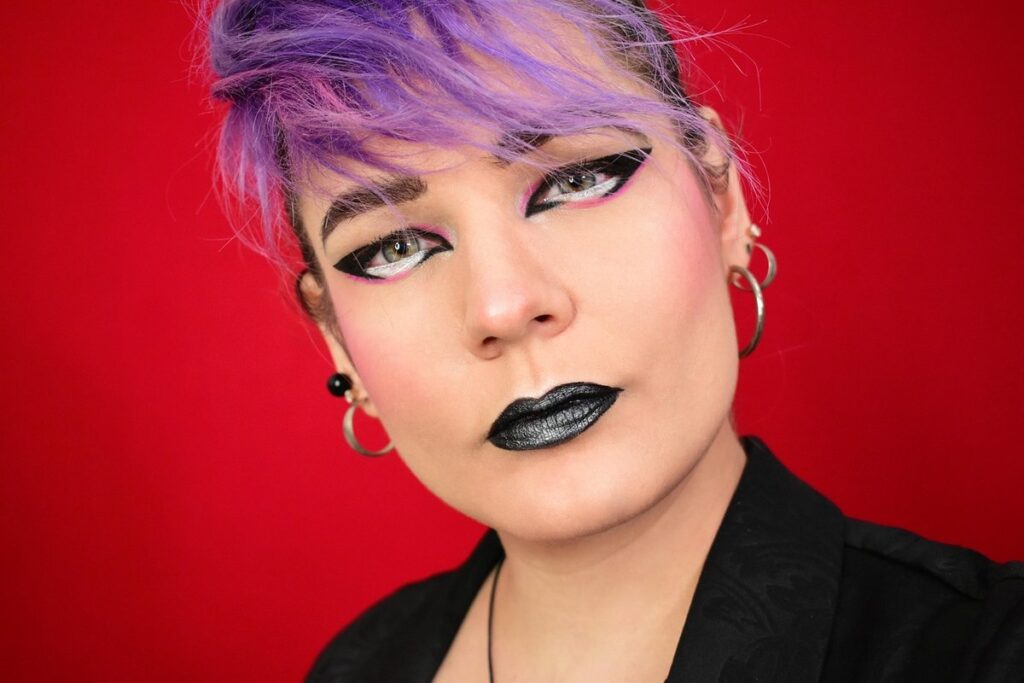
Makeup plays a crucial role in completing the goth look. Heavy eye makeup, particularly eyeliner and mascara, is a staple. Some goths also incorporate bold lip colors and dark nail polish to add an extra layer of depth to their appearance. Hairstyles often feature sleek, straight locks or striking colors like black or purple.
To create your own gothic style, start by incorporating one or two statement pieces into your wardrobe, such as a dramatic coat or a flowing skirt. Then, experiment with makeup and hairstyles that fit your personal aesthetic. Don’t be afraid to add your own twist – the beauty of goth fashion lies in its eclecticism and willingness to push boundaries.
Distinct Subgenres Within Goth Culture
Within the vast and eclectic world of goth culture, numerous subgenres have emerged over the years, each with its distinct characteristics and styles. Deathrock, for instance, is characterized by its darker and more aggressive tone, often drawing inspiration from horror movies and punk rock. Bands like The Misfits and SS Creatures are quintessential examples of deathrock’s sound and aesthetic.
Another prominent subgenre is post-punk revival, which revisits the early 1980s post-punk scene with a fresh perspective. Artists like Interpol and Joy Division have been cited as influences by many bands in this genre. Post-punk revival often incorporates elements of gothic rock, resulting in a moody and atmospheric sound.
Industrial goth, on the other hand, combines the dark and introspective nature of goth music with the electronic and mechanized beats of industrial music. Bands like Nine Inch Nails and Ministry have been instrumental in shaping this genre’s sound and style. When exploring these subgenres, it’s essential to immerse yourself in their unique sonic landscapes and visual aesthetics to truly appreciate their distinct qualities.
The Dark Romanticism of Victorian Gothic
As we delve into the darker corners of goth culture, we’ll explore how Victorian Gothic draws inspiration from the era’s fascination with death, decay, and the unknown. This aesthetic is characterized by grandiose and eerie settings inspired by the 19th-century Gothic novel tradition.
Influences from Literature and Film
The influence of literature and film on the goth aesthetic is undeniable. Classic authors like Edgar Allan Poe and Bram Stoker have had a lasting impact on the genre’s themes and visual style. Poe’s works, such as “The Raven” and “Annabel Lee,” are masterclasses in atmospheric foreboding and mortality. These elements have become staples of gothic literature and continue to inspire modern-day artists.
Similarly, Hammer Horror movies from the 1950s and 1960s showcased elaborate sets, dramatic lighting, and a sense of Gothic eeriness that captivated audiences worldwide. The iconic imagery of these films – think Dracula’s castle or Frankenstein’s monster – has become ingrained in popular culture. To incorporate elements of literary and cinematic gothic horror into your own aesthetic, try experimenting with dark colors, intricate patterns, and symbolic motifs. For example, you could draw inspiration from Poe’s use of ravens as a symbol of mortality by incorporating the bird into your fashion choices or home decor. By embracing these influences, you can add depth and meaning to your goth style while paying homage to the genre’s rich literary and cinematic heritage.
Fashion in Victorian Gothic
In the world of Victorian Gothic fashion, historical and period-inspired clothing plays a significant role in defining the aesthetic. The era’s emphasis on opulence and grandeur is still celebrated today through ornate attire like corsets, bustles, and lavish fabrics.
For those who want to incorporate Victorian Gothic style into their wardrobe, start with key pieces such as a fitted corset or a full skirt with a bustle underneath. These items can be easily found at thrift stores or online marketplaces, but can also be replicated with DIY projects using lace, velvet, and other rich fabrics.
To complete the look, don’t forget accessories like cameo brooches, chokers, and parasols. When mixing modern and period-inspired pieces, balance historical accuracy with personal style to create a cohesive and authentic appearance. For example, pairing a Victorian-style corset with distressed denim jeans creates an edgy, yet historically informed aesthetic.
Some popular online resources for finding Victorian Gothic fashion inspiration include Pinterest boards dedicated to the era’s most iconic looks, as well as YouTube tutorials on period-specific crafting techniques. By embracing the ornate details of the Victorian era, modern goths can create a unique and captivating style that honors the past while expressing their individuality.
The Intersection with Steampunk Culture
Steampunk’s fusion of science fiction and Victorian-era aesthetics has led to a fascinating convergence with gothic fashion. This intersection is characterized by a blend of old-world elegance and sci-fi innovation. Think intricately crafted clockwork accessories, top hats adorned with goggles, and long coats with copper-plated accents.
For those drawn to the dark romanticism of Victorian Gothic, steampunk’s aesthetic provides a unique opportunity to express themselves through fashion. Steampunk-inspired gothic styles often feature lace, ruffles, and other ornate details, paired with industrial elements like gears, cogs, or leather-bound accessories. This fusion creates a visually striking look that combines the mystique of Victorian Gothic with the ingenuity of steampunk.
To incorporate steampunk elements into your gothic wardrobe, start by experimenting with alternative fabrics and textures, such as velvet, lace, or faux leather. Add industrial accents like gears, rivets, or copper filigree to give your outfits a unique twist. Consider repurposing vintage items, like old clocks or scientific instruments, to create one-of-a-kind accessories. By embracing the intersection of steampunk and gothic fashion, you can unlock new creative possibilities for self-expression within this diverse world of subcultures.
Cyber Goth: A Digital Era Expression
As we delve into the digital realm, let’s explore how cyber goth culture emerged as a unique blend of dark aesthetics and cutting-edge technology. From fashion to music and art.
Origins and Evolution of Cyber Goth
Cyber goth, as we know it today, has its roots in the early 1990s. This subculture emerged as a fusion of traditional gothic fashion with elements from rave and industrial scenes. One of the key factors that contributed to the development of cyber goth was the influence of electronic music, particularly the work of artists like Skinny Puppy and Front Line Assembly.
As the internet became more accessible, cyber goths began to adopt neon colors and futuristic motifs as a way to express their affinity for technology and digital culture. The use of neon lights, PVC clothing, and DIY accessories became hallmarks of the cyber goth aesthetic. This blending of styles allowed cyber goths to differentiate themselves from other subcultures while still maintaining connections to the broader goth community.
Today, cyber goth continues to evolve, incorporating elements from various digital cultures. Its influence can be seen in everything from fashion and music to art and design. For those interested in exploring this subculture further, trying out neon-colored hair dye or experimenting with DIY electronic accessories can be a great starting point.
Fashion Trends in Cyber Goth Culture
Cyber goth fashion has evolved to be a visually striking expression of its digital era roots. The bold color schemes of neon hues and metallic accents have become synonymous with the subculture, often paired with futuristic accessories like chunky jewelry, holographic belts, or glow-in-the-dark accents. These elements are not just decorative; they serve as a metaphor for the cyber goth’s desire to transcend the physical world.
Innovative hairstyles also play a significant role in cyber goth fashion. Inspired by anime and manga styles, these looks often feature vibrant colors, bold geometric patterns, or metallic highlights. To achieve this look at home, try using hair chalks or sprays with neon pigments, or even add temporary extensions to give your style an edgy twist.
Accessories like chunky boots, spiked chokers, or mirrored sunglasses are also integral to the cyber goth aesthetic. Experimenting with these statement pieces can instantly elevate a outfit from drab to rad.
The Role of Technology in Shaping Cyber Goth Aesthetic
Cyber goth’s visual expression has undergone significant transformations with advancements in technology. Music production software such as Ableton Live and FL Studio have empowered artists to create dark, atmospheric soundscapes that define the cyber goth genre. This digital shift allows for greater experimentation and innovation, enabling creators to push boundaries of what is possible within the genre.
Digital art has also played a pivotal role in shaping cyber goth’s aesthetic. Platforms like Photoshop and Illustrator provide accessible tools for artists to create intricate, futuristic designs that blend seamlessly with the dark, industrial landscape. Online communities have sprung up around these creative outlets, fostering collaboration and inspiration among cyber goth enthusiasts.
To get involved in creating your own cyber goth-inspired digital art or music, start by exploring free design software like GIMP and Krita, which offer a range of features at an affordable price point. Experiment with manipulating existing images or sounds to create unique textures and atmospheres. Join online forums dedicated to cyber goth creativity, where you can share your work and receive feedback from fellow enthusiasts.
Ska Punk and the Rise of Horrorpunk
As we dive into the darker corners of goth subcultures, let’s take a look at how ska punk influenced the rise of horrorpunk in the 90s and its lasting impact on the scene.
Early Influences on the Goth Scene
As we explore the diverse world of goth subcultures, it’s essential to understand the early influences that shaped this genre. The fusion of upbeat rhythms with dark lyrics in ska punk laid the groundwork for horrorpunk, a style that emphasizes macabre themes and imagery.
Ska punk bands like The Specials and Madness introduced a new wave of fans to the darker side of music. Their energetic beats and thought-provoking lyrics addressed topics like mortality, loss, and social anxiety. This unique blend of light-hearted melodies with heavy subject matter created a sense of tension, echoing the goth subculture’s fascination with the macabre.
Horrorpunk bands, such as The Misfits and The Cramps, took this concept further by incorporating imagery and themes from horror movies into their music. The genre’s focus on darkness and transgression sparked a wave of creativity within the goth community. As fans began to experiment with makeup, fashion, and aesthetics inspired by classic horror films, the stage was set for the birth of more distinct goth subcultures. By embracing these early influences, you can tap into the creative energies that fuel the world of goth music and art.
The Impact of Horror Movies on Ska Punk
Ska punk’s fusion with horror elements was largely influenced by B-horror movies from the 1970s and 1980s. Bands like The Misfits and Danzig drew inspiration from these low-budget films, incorporating their eerie atmosphere and dark themes into their music.
The aesthetic of ska punk also underwent a significant transformation due to its exposure to horror movies. The incorporation of imagery inspired by classic monsters, zombies, and other supernatural creatures added a new layer of depth to the genre. For instance, The Misfits’ album “Walk Among Us” features a cover art depicting a zombie bride – a nod to the B-horror movie influence.
Horrorpunk’s sound, born from this fusion, was characterized by its dark and moody tone. Bands like Calabrese and Wednesday 13 pushed the boundaries of ska punk even further, experimenting with faster tempos and more aggressive riffs. The success of these bands helped solidify horrorpunk as a distinct subgenre within the broader ska punk spectrum.
Fashion in Horrorpunk Culture
Horrorpunk fashion is a unique blend of dark aesthetics and classic horror influences. It’s characterized by oversized clothing, often in black, which provides an eerie, imposing presence. Inspired by legendary characters like Dracula and Frankenstein’s monster, the silhouette itself can become a work of art.
In terms of makeup, the key elements are pale skin and dark eye circles. These features aren’t about creating an unnervingly realistic portrait but rather embracing the beauty in the macabre. Inspired by iconic characters from classic horror films, bold lines, curves, and points create the overall appearance.
Hairstyles often feature long locks, sometimes with braids or extensions that evoke the eerie atmosphere of abandoned forests or creepy mansions. When it comes to inspiration, the world of classic horror is a treasure trove – take Dracula’s sinister widow’s peak, for instance, or the imposing flat-top from Frankenstein.
Some individuals even go as far as creating prosthetic pieces to enhance their look, inspired by movie makeup techniques.
The Globalization of Goth Subcultures
As you explore the diverse world of goth subcultures, let’s take a closer look at how these styles have spread globally, influencing and evolving in different regions around the world.
Regional Variations on the Goth Aesthetic
As we explore the globalization of goth subcultures, it’s fascinating to see how different regions have put their own spin on this iconic style. The goth aesthetic has been adapted and reinterpreted in countless ways, resulting in unique variations that reflect local tastes and traditions.
Take Japan, for instance, where visual kei emerged as a distinct offshoot of the goth style. Characterized by flamboyant fashion, elaborate hairstyles, and makeup, visual kei artists like Miyavi and Gackt drew inspiration from Western rock music while incorporating traditional Japanese elements. This fusion of styles has given rise to an innovative and captivating aesthetic that’s both dark and beautiful.
Similarly, in Germany, the Neue Deutsche Härte (NDH) scene emerged as a response to the commercialization of industrial music. NDH bands like Rammstein and Oomph! combined aggressive riffs with atmospheric synths and introspective lyrics, creating a sonic landscape that was both heavy and melancholic. These regional variations demonstrate how goth subcultures can adapt and evolve in creative ways, reflecting the complexities and nuances of local cultures.
These diverse expressions of goth style serve as a reminder that fashion and music are not fixed or universal, but rather fluid and context-dependent. By embracing these unique variations, we can gain a deeper understanding of how subcultures thrive and mutate over time, resulting in an ever-changing tapestry of styles and influences.
Cultural Exchange and Influence Across Borders
The globalization of goth subcultures has led to an unprecedented level of cultural exchange across borders. The internet and social media have created a platform for like-minded individuals from different countries to connect, share ideas, and inspire one another. As a result, the goth scene has become increasingly globalized, with styles and aesthetics bleeding into each other.
For instance, the Japanese kawaii goth subculture has been heavily influenced by Western goth aesthetics, incorporating elements of Victorian mourning rituals and industrial music. Similarly, the Mexican “goth chic” movement has adopted a fusion of traditional Mexican folk styles with modern goth sensibilities. These cross-cultural exchanges have enriched the goth scene, giving rise to innovative and unique expressions of darkness and individuality.
As a fan of goth subcultures, you can participate in this cultural exchange by exploring online communities, attending international goth events, or collaborating with artists from different countries. By embracing the diversity of global goth styles, you’ll not only expand your musical tastes but also contribute to the ever-evolving narrative of this underground movement.
Challenges Faced by Goth Subcultures in Different Regions
Goth subcultures have long been met with resistance and marginalization, particularly in regions where traditional values hold strong. In some parts of Eastern Europe, for example, goth fashion and aesthetics are seen as a threat to conservative norms. In countries like Poland and Russia, the goth scene has faced persecution and censorship, with some bands being banned from performing or their music censored due to its perceived dark or satanic themes.
In other regions, such as Southeast Asia, goth subcultures have been subject to cultural appropriation, with traditional clothing and accessories being adopted without proper understanding or credit. This can lead to a loss of cultural identity for the goth community in these areas. In India, for instance, goths have faced criticism for “copying” Western fashion, rather than embracing their own unique aesthetic.
It’s essential for goth subcultures worldwide to be aware of these challenges and take steps to protect themselves. This includes being mindful of cultural appropriation and working with local communities to promote understanding and respect. By doing so, goths can build bridges between different cultures and create a more inclusive and diverse scene.
The Enduring Appeal of Goth Culture
Goth culture has managed to endure and evolve over the years, captivating new generations with its unique aesthetic and attitude. We’ll delve into what makes it so enduringly appealing.
Why Goths Continue to Thrive in Modern Society
Despite being around for decades, goth culture continues to defy expectations and thrive in modern society. One reason for its enduring appeal is that it provides a safe space for individuals to express themselves freely, without fear of judgment or rejection. Goth culture encourages creativity, self-expression, and individuality, allowing people to explore their deepest emotions and identities.
The goth subculture also offers a sense of community and belonging, which is essential for many people’s emotional well-being. Goths often gather at concerts, festivals, and online forums, creating a supportive network where they can connect with like-minded individuals who understand their values and aesthetics.
Another factor contributing to the goth subculture’s persistence is its ability to evolve and adapt to changing times. Modern goths are embracing new technologies, social media platforms, and artistic expressions, ensuring that the culture remains relevant and fresh. As a result, goth culture continues to attract newcomers who are drawn to its unique aesthetic, values, and sense of community. By embracing their individuality and creativity, goths have created a vibrant and enduring subculture that will continue to thrive for years to come.
Community and Identity within the Goth Scene
For many goth subculture enthusiasts, being part of this community isn’t just about aesthetics; it’s also about belonging and shared identity. The goth scene offers a space where individuals can express themselves freely, without fear of judgment or rejection from mainstream society. This sense of acceptance is particularly crucial for those who don’t conform to traditional norms.
Within the goth community, individuals often find like-minded peers with similar interests and values. These connections foster strong bonds, making it easier for members to feel a sense of belonging. For instance, attending goth concerts or festivals can be an excellent way to meet fellow enthusiasts and establish relationships.
To tap into this sense of community, consider the following:
* Attend local goth events, such as concerts, parties, or club nights.
* Join online forums or social media groups centered around goth culture.
* Participate in goth-friendly activities like volunteering for animal shelters or supporting LGBTQ+ organizations.
Legacy and Influence of Goth Culture on Modern Music and Fashion
Goth culture’s legacy can be seen in modern music and fashion trends. The darkwave revival of the 1990s and early 2000s saw bands like Type O Negative, Lacuna Coil, and Evanescence achieving mainstream success, bringing gothic metal and its atmospheric soundscapes to a broader audience.
Goth-inspired streetwear has also become increasingly popular in recent years. Brands like Rick Owens and Alexander McQueen have incorporated gothic elements into their designs, while high-end fashion houses like Balenciaga and Versace have featured goth-inspired looks on the runway.
Fashion designers often draw inspiration from goth aesthetics when creating collections. For instance, Vivienne Westwood’s 1990s-era designs heavily featured lace, velvet, and other materials commonly associated with goth style.
Influenced by goth culture, many contemporary artists and musicians continue to push boundaries of what is considered “mainstream.” By embracing elements of the goth aesthetic – such as dark colors, rich textures, and an air of mystery – artists can create a sense of intrigue that draws listeners in.
Frequently Asked Questions
What’s the best way to get involved with a local goth subculture or scene?
Get in touch with local music venues, art galleries, or online forums where goths often congregate. Attend events like concerts, festivals, or fashion shows that align with your interests and aesthetic preferences. Be respectful of existing communities and traditions, and don’t be afraid to reach out to established members for guidance.
Can I mix and match elements from different goth subcultures to create my own unique style?
Yes! Goth culture is all about experimentation and self-expression. Feel free to blend influences from various eras and styles to create a look that’s authentically yours. Just remember to stay true to your personal vision and aesthetic, rather than simply following trends.
How do I balance the darker aspects of goth culture with everyday life?
It’s all about finding a balance between embracing your passions and living in harmony with others. Consider how your interests might impact relationships or work situations, and be open to sharing your values and lifestyle choices with friends and family. It’s okay to express yourself authentically while also being respectful of those around you.
What role does fashion play in expressing goth identity?
Fashion is a key aspect of the goth aesthetic, allowing individuals to convey their personality, interests, and values through clothing and accessories. Experiment with different styles, eras, and themes to find what works best for you. Don’t be afraid to try new things or express yourself through DIY projects, like creating your own costumes or accessories.
Can I combine goth style with other fashion trends or aesthetics?
Absolutely! Goth culture has always been about pushing boundaries and blending influences from various sources. Experiment with incorporating elements from punk, steampunk, industrial, or other styles to create a look that’s uniquely yours. The key is to stay true to your personal aesthetic while being open to new ideas and inspiration.

