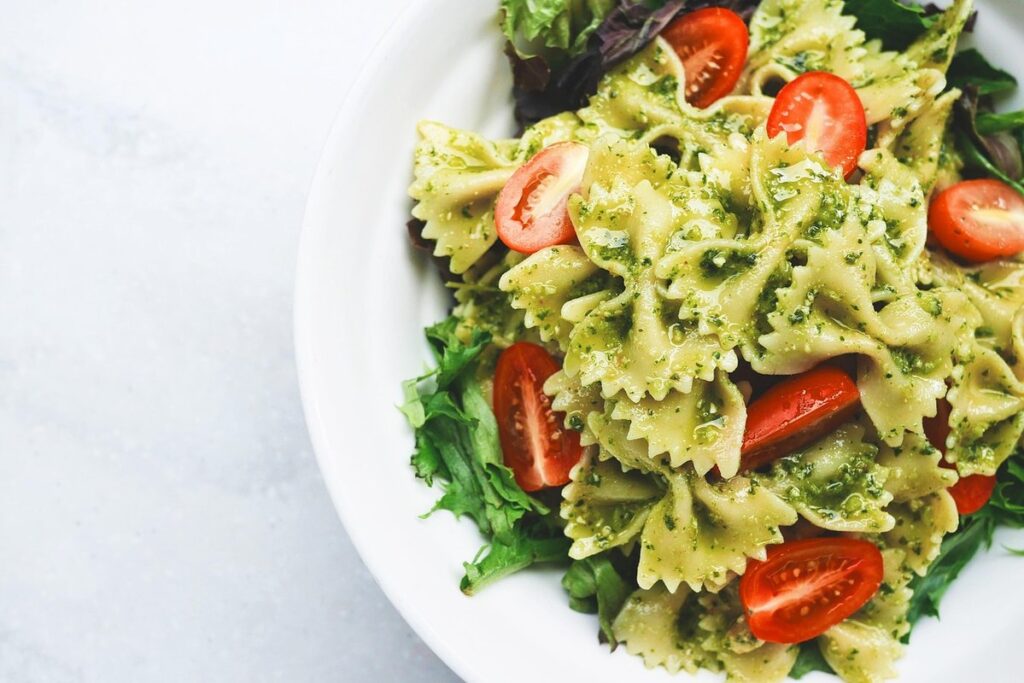
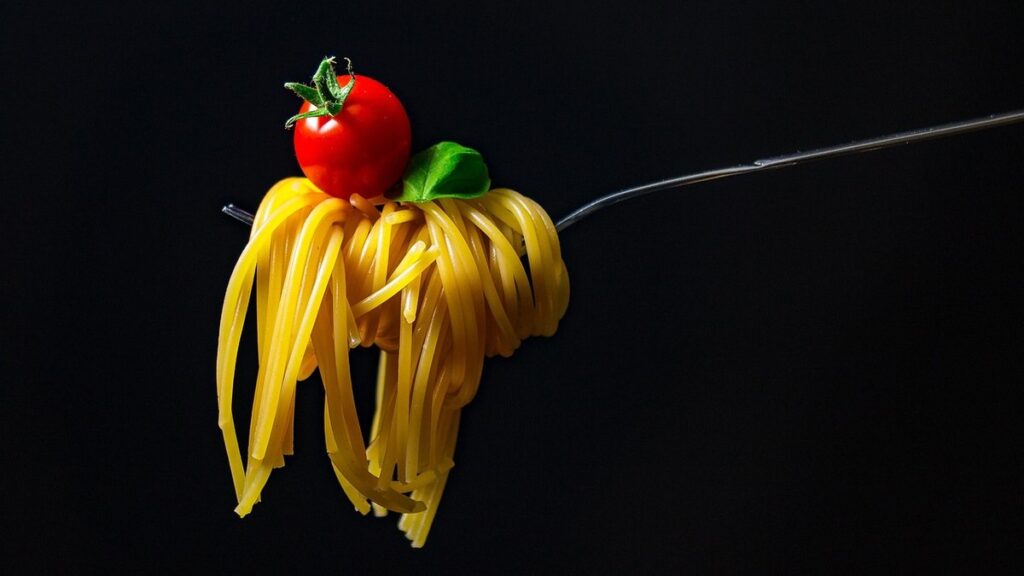
Italian cuisine is more than just a collection of recipes – it’s an integral part of the country’s rich cultural heritage. From the bustling streets of Rome to the picturesque countryside, food plays a central role in Italian life and traditions. The history of Italian cooking is deeply rooted in its geography, with ingredients like olive oil, tomatoes, and fresh seafood shaping the iconic dishes we know today. Exploring Italy’s culinary landscape can be overwhelming, but understanding the fundamental techniques and ingredients behind beloved dishes like pasta carbonara, pizza margherita, and risotto alla milanese can help you appreciate their cultural significance. In this article, you’ll discover the essential elements that define Italian cuisine, from its ancient roots to the modern-day cooking traditions that continue to inspire chefs around the world.
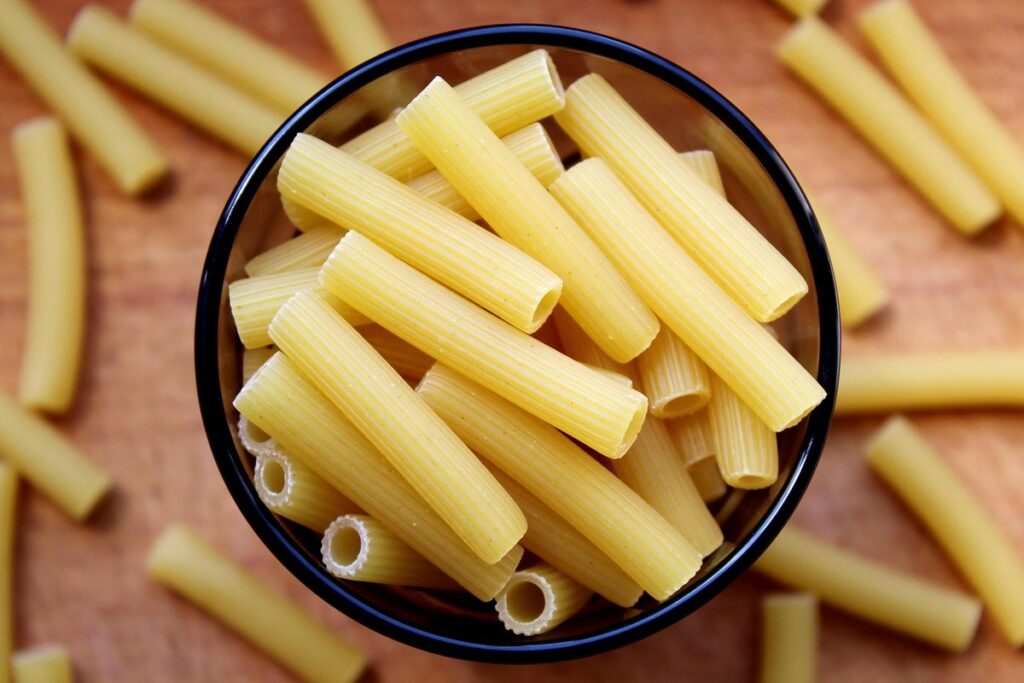
A Brief History of Italian Cuisine
Italian cuisine has a rich and storied past, shaped by the country’s geographical location, cultural influences, and traditional cooking methods passed down through generations. Let’s take a look at how these factors came together to form the culinary landscape of Italy.
From Ancient Roots to Modern Twists
Italian cuisine’s rich history is a testament to its ability to adapt and evolve. Ancient Roman and Greek influences laid the foundation for Italian cooking, introducing ingredients like olive oil, garlic, and herbs. These Mediterranean staples remain essential components of modern Italian cuisine. As the Roman Empire expanded, trade routes brought exotic spices and new cooking techniques to Italy’s shores.
The Middle Ages saw the rise of medieval cooking in Italy, characterized by hearty stews and rich sauces made with expensive ingredients like meat and fish. The development of farm-to-table practices during this period helped establish regional specialties, such as risotto in the north and pasta in the south.
Italian cuisine continued to evolve through cultural exchange and trade. Arab invasion brought sugarcane and citrus fruits, which influenced the development of sweet pastries and desserts. Later, Italian traders and travelers returned from Asia with spices like cinnamon and cloves, incorporating them into traditional dishes. This cross-cultural borrowing is evident in Italy’s diverse regional cuisines, each shaped by its unique history and geography.
Regional Variations: North to South
As you travel north to south through Italy, the flavors and ingredients change dramatically. In the north, particularly in regions like Piedmont and Lombardy, pasta dishes are rich and hearty, often made with butter, cream, and truffles. Think of classic dishes like agnolotti (stuffed pasta) or osso buco (braised veal shanks). These comforting meals are perfect for cold winter nights.
In contrast, the south offers a lighter and more seafood-focused cuisine. Campania’s famous Neapolitan pizza is topped with fresh tomatoes, mozzarella, and basil, while Sicily’s couscous dishes showcase the island’s North African influences. The Amalfi Coast is renowned for its lemon-infused seafood and delicate pasta salads.
To experience these regional variations in your own cooking, try incorporating local ingredients and flavors into your Italian recipes. For example, use fresh truffles or porcini mushrooms from Piedmont to add depth to a pasta sauce. Alternatively, substitute Sicilian-style eggplant caponata for traditional tomato sauce. By exploring the diverse regional cuisines of Italy, you can create authentic and delicious dishes that showcase the country’s rich culinary heritage.
Key Ingredients in Italian Cooking
Italian cooking relies on a few core ingredients that bring depth and complexity to classic dishes, including aromatic olive oil and fragrant herbs like basil and oregano. These staples are essential for creating authentic flavors.
The Role of Olive Oil and Herbs
In Italian cooking, olive oil is more than just a flavor enhancer – it’s a fundamental ingredient that brings dishes to life. Rich in monounsaturated fats, olive oil has been touted for its health benefits, from reducing inflammation to supporting heart health. When choosing an olive oil for cooking, look for cold-pressed, extra-virgin oils that have been produced using traditional methods.
Herbs play a crucial role in Italian cuisine, adding depth and complexity to various dishes. Basil is perhaps the most iconic herb in Italian cooking, but oregano, rosemary, and thyme are also staples. These herbs can be used fresh or dried, depending on the recipe. For example, basil is often paired with tomatoes and mozzarella in a classic Caprese salad, while oregano adds a pungent flavor to pasta sauces.
Other key ingredients like garlic, onions, and capers may seem simple, but they greatly enhance the flavors of Italian dishes. Garlic and onions are commonly used to create aromatic sauces, while capers add a salty kick to pasta, pizza, and salad dressings. When working with these ingredients, remember that a little goes a long way – start with small amounts and taste as you go to avoid overpowering your dish.
Fresh Produce and Seasonal Flavors
In Italian cuisine, fresh produce plays a starring role, with an emphasis on seasonal flavors and locally sourced ingredients. The concept of “la stagione” – the season – is deeply ingrained in Italian cooking, where each time of year brings its own unique fruits and vegetables to the table.
Take, for example, the summer months when tomatoes are at their peak ripeness. Italians use them liberally in dishes like bruschetta and caprese salads, where fresh mozzarella, basil, and a drizzle of olive oil bring out the best in these sun-kissed ingredients. In contrast, winter brings hearty root vegetables like kale and cabbage, which are slow-cooked into rich soups and stews.
To incorporate seasonal flavors into your own cooking, start by visiting your local farmer’s market or joining a community-supported agriculture (CSA) program. This will not only ensure that you’re getting the freshest produce possible but also give you inspiration for new recipes and flavor combinations. Some simple yet effective ways to use fresh produce include roasting vegetables like eggplant and zucchini, making sauces with pureed tomatoes, or adding a handful of chopped herbs to pasta dishes. By embracing the season’s bounty, you’ll be cooking up authentic Italian flavors in no time.
Classic Italian Dishes and Their Origins
From pasta Carbonara to Chicken Parmesan, some of Italy’s most beloved dishes have roots that stretch back centuries. Let’s take a closer look at their rich history.
Pasta: From Spaghetti Carbonara to Lasagna
Italian pasta dishes are a staple of the country’s culinary culture. One of the most beloved pasta dishes is spaghetti carbonara, which originated in Rome during World War II. The dish is made with spaghetti, bacon or pancetta, eggs, parmesan cheese, and black pepper. Its rich flavor profile is due to the combination of creamy eggs and savory bacon.
Another iconic Italian pasta dish is lasagna, a layered flat pasta filled with meat sauce, ricotta cheese, and mozzarella. Lasagna has its roots in ancient Greece, where a similar dish called “lagana” was consumed by the wealthy. However, the modern version of lasagna we know today originated in Italy during the Middle Ages.
When making spaghetti carbonara or lasagna, it’s essential to use high-quality ingredients, particularly the pasta itself. Freshly made pasta is always preferred over dried varieties, as it has a more delicate texture and better flavor. Additionally, use guanciale instead of regular bacon for an authentic Italian experience.
Risotto, Polenta, and Other Staple Sides
In Italian cuisine, risotto and polenta are two staple sides that originated from different regions. Risotto hails from the north, particularly from the Veneto region, where it’s often served with seafood or asparagus. In contrast, polenta comes from the Po Valley in northern Italy, where it was traditionally cooked over an open flame. This hearty dish is still a mainstay in many Italian households, especially during winter months.
Both risotto and polenta have their own unique characteristics and preparation methods. Risotto, made with Arborio rice, requires constant stirring to release its starches and create a creamy texture. Polenta, on the other hand, is often cooked until it reaches a soft, porridge-like consistency. When choosing between these two sides, consider the flavors and textures of your main course: risotto pairs well with rich sauces and delicate proteins, while polenta complements bold meats and robust vegetables.
Other regional specialties also rely on staple sides like arancini (stuffed rice balls from Sicily) and supplì (fried risotto balls filled with mozzarella). These dishes showcase the creativity and resourcefulness of Italian cooks, who often repurpose leftover ingredients to create something new. By experimenting with these traditional sides, you can add depth and variety to your own Italian-inspired meals.
The Art of Italian Cooking: Techniques and Tips
Mastering the art of Italian cooking requires a deep understanding of fundamental techniques, from kneading dough to preparing the perfect sauce.
We’ll share our top tips for elevating your pasta dishes, risottos, and more.
Mastering the Perfect Pasta Sauce
To create a rich and flavorful pasta sauce, start by selecting high-quality ingredients. Look for San Marzano tomatoes, which have a sweeter and less acidic flavor than regular tomatoes. Combine them with aromatics like onions, garlic, and shallots, sautéed in olive oil to bring out their natural sweetness. A pinch of salt helps to enhance the flavors.
For a smooth sauce, blend cooked vegetables into the tomato mixture using an immersion blender or a stand blender. Be cautious not to over-blend, as this can result in a sauce that’s too thin. Achieving the perfect consistency is key – aim for a sauce that coats the pasta evenly but still has some texture.
When seasoning your sauce, remember that Italian cuisine emphasizes simplicity and balance. A small amount of grated Parmesan cheese adds depth without overpowering the other flavors. Some cooks also like to add a teaspoon of sugar to balance out acidity from tomatoes. Experiment with these techniques to create your signature pasta sauce.
Roasting and Grilling: Elevating Italy’s Flavor Profile
Roasting and grilling are fundamental techniques in Italian cooking that bring out the best flavors in various ingredients. These methods allow for a depth of flavor and texture that is unmatched by other cooking methods. When done correctly, roasting can caramelize sugars, tenderize tough cuts of meat, and add smoky undertones to vegetables.
Grilling, on the other hand, sears food quickly over high heat, locking in juices and creating a crispy exterior. Italian chefs often reserve grilling for delicate ingredients like fish or thinly sliced meats, where it can showcase their natural flavors without overpowering them.
To achieve perfectly cooked dishes using these methods, focus on proper temperature control and timing. Roasting requires patience, as different ingredients have optimal cooking temperatures ranging from 300°F to 425°F (150°C to 220°C). Grilling demands attention to heat distribution, with most Italian chefs preferring medium-high heat for optimal searing.
When grilling or roasting vegetables like zucchini, eggplant, and bell peppers, don’t overcook them – a slight char is all you need. For meats, aim for an internal temperature of at least 145°F (63°C) to ensure food safety.
Italian Food Culture: Traditions and Celebrations
As we explore Italy’s rich food culture, let’s take a closer look at the country’s vibrant traditions and celebrations that bring people together through delicious meals. From family gatherings to festive holidays, Italian cuisine is an integral part of daily life.
Holidays and Festivals: A Culinary Celebration
Italian holidays and festivals are a true celebration of food and culture. From Christmas cookies to Easter bread, these special occasions showcase Italy’s rich culinary heritage. One of the most iconic examples is Panettone, a sweet bread traditionally served during Christmas. Made with yeast, flour, and butter, this treat requires patience and skill, as it must be allowed to rise for several hours.
Easter Sunday brings its own festive foods, including Colomba, a sweet bread shaped like a dove. This tradition dates back to the 13th century, when the Lombardy region created these loaves in honor of Easter. When preparing for holidays, Italians often rely on classic recipes passed down through generations, using high-quality ingredients and simple yet elegant presentation.
To infuse your own holiday celebrations with an Italian flair, try baking a traditional sweet bread or cookies. Look to local Italian markets or bakeries for inspiration and authentic ingredients. Whether you’re cooking for family or friends, remember that the true spirit of Italian holidays lies in sharing delicious food and quality time together. By embracing these culinary traditions, you’ll be able to connect with Italy’s rich culture and heritage on a deeper level.
Family and Friends: The Heart of Italian Gatherings
In Italian gatherings, food is not just sustenance – it’s a catalyst for connection. Mealtimes are sacred opportunities for social bonding, where family and friends come together to share stories, laughter, and love. The Italian concept of “conviviality” emphasizes the importance of communal eating, creating an atmosphere that encourages conversation and camaraderie.
When Italians gather around the table, they prioritize quality over quantity – not just in terms of food, but also in terms of time spent together. A leisurely Sunday lunch, or a mid-week dinner with friends, is often a carefully curated experience designed to foster connections. The pace of eating is slower, allowing diners to savor each bite and engage in meaningful conversations.
In Italian culture, mealtimes are not just about filling bellies; they’re about nourishing relationships. By slowing down and prioritizing social bonding, Italians create an environment where everyone feels welcome and included. This approach to gathering around the table is something that can be adopted by anyone – simply by making time for loved ones, sharing delicious food, and embracing the joy of communal eating.
Modern Italian Cuisine: Trends and Innovations
Modern Italian cuisine is constantly evolving, incorporating fresh flavors and techniques that are redefining traditional dishes. From farm-to-table ingredients to innovative pasta-making methods, we’re seeing some exciting changes.
Fusion Cooking and Creative Twists
Modern chefs are pushing the boundaries of traditional Italian cuisine by incorporating international flavors and ingredients. This fusion cooking approach is evident in dishes like sushi risotto, where Japanese rice vinegar meets Italian Arborio rice, or Korean-style BBQ pizza, which combines spicy Gochujang sauce with melted mozzarella. These innovative creations not only reflect Italy’s cultural exchange but also highlight the country’s adaptability.
In addition to fusion cooking, creative twists on classic dishes are also gaining popularity. For example, some chefs are adding unexpected ingredients like truffle honey or lemongrass to traditional pasta sauces or risottos. Others are experimenting with novel cooking techniques, such as sous vide or smoking, to give Italian staples a modern spin.
When trying these innovative dishes, remember that the key to success lies in balance. Don’t be afraid to combine bold flavors and ingredients, but also respect the essence of each component. For instance, when pairing Asian spices with Italian herbs, use them in moderation to avoid overpowering the dish. By embracing fusion cooking and creative twists, you can breathe new life into classic Italian recipes and make them your own.
Sustainability and Local Ingredients in Italian Cooking
Italian chefs and food enthusiasts are increasingly adopting eco-friendly practices by prioritizing local ingredients in their cooking. This trend is driven by a growing awareness of the environmental impact of food production, transportation, and consumption. By sourcing ingredients locally, Italian cooks can significantly reduce carbon emissions associated with importing produce from other regions.
One notable benefit of using local ingredients is that they tend to be fresher and have more intense flavors, elevating the overall quality of the dish. For instance, using seasonal vegetables from a nearby farm can add depth and complexity to a classic risotto or pasta sauce. Moreover, supporting local farmers helps preserve traditional farming methods and promotes biodiversity in Italian agriculture.
In recent years, some prominent Italian restaurants have made a concerted effort to incorporate locally sourced ingredients into their menus. One example is the use of “zero-kilometer” produce – fruits and vegetables grown within a few kilometers of the restaurant – which not only reduces carbon emissions but also provides customers with a taste of the region’s unique terroir.
Conclusion: The Enduring Legacy of Italian Food Culture
As we bring our culinary journey through Italy to a close, let’s reflect on how the country’s rich food culture has left an indelible mark on the world. Its legacy is undeniable and continues to inspire cooks everywhere.
Reflecting on Italy’s Culinary Heritage
Italy’s culinary heritage is a rich tapestry woven from centuries of tradition, innovation, and cultural exchange. As we reflect on its enduring legacy, it becomes clear that Italian food culture continues to captivate audiences worldwide with its bold flavors, aromas, and warm hospitality. The country’s distinct regional variations – think Tuscan ribollita versus Sicilian arancini – are a testament to the diversity of its culinary landscape.
One key factor in Italy’s continued influence on modern cuisine is its emphasis on quality ingredients and simple yet nuanced preparation methods. This approach has inspired chefs and home cooks alike to reevaluate their own cooking styles, incorporating fresh produce, olive oil, and herbs into their recipes. Take, for instance, the humble caprese salad: a masterpiece of fresh mozzarella, basil, and tomatoes that requires no more than three ingredients yet yields unparalleled flavor.
In recent years, Italian chefs have also begun experimenting with new techniques and fusion cooking styles, blending traditional flavors with international influences to create innovative dishes like Japanese-Italian fusion risotto. These creative twists not only reflect the country’s adaptability but also demonstrate its ability to stay relevant in a rapidly changing culinary landscape.
Final Thoughts: Embracing Italian Culture Through Food
When you return from exploring the Tuscan countryside or savoring a plate of handmade pasta at an Italian trattoria, you may find yourself craving more than just the flavors of Italy – you’re drawn to the culture itself. Italian food is as much about family and community as it is about ingredients and technique.
To incorporate more Italian flavors into your cooking, start by exploring local farmers’ markets or specialty stores that carry imported Italian ingredients. Fresh produce such as artichokes, eggplant, and citrus fruits are essential to many classic Italian dishes. Consider experimenting with new recipes that feature these seasonal flavors, like a simple Grilled Eggplant Parmesan or Roasted Vegetable Caprese salad.
You can also try incorporating traditional Italian cooking techniques into your own repertoire, such as making fresh pasta from scratch or mastering the art of slow-cooked ragùs. For inspiration, seek out cookbooks and online resources that showcase authentic Italian recipes and cooking methods. As you experiment with new flavors and techniques, remember to keep things simple and focus on allowing high-quality ingredients to shine through.
Frequently Asked Questions
Can I still make authentic Italian food without traveling to Italy?
Yes, with the right ingredients and techniques, you can create authentic-tasting Italian dishes from the comfort of your own kitchen. Focus on using high-quality olive oil, fresh herbs, and locally sourced produce to get started.
How do I balance traditional ingredients with modern flavors in my Italian cooking?
To successfully blend traditional and modern flavors, start by experimenting with small substitutions or additions to classic recipes. Consider incorporating new ingredients, such as international spices or unique flavor combinations, while maintaining the essence of the original dish.
What if I’m short on time? Can I still make delicious Italian meals?
While traditional Italian cooking often involves time-consuming preparations, many dishes can be adapted for busy home cooks. Focus on simple yet flavorful recipes like pasta with marinara sauce or grilled paninis, and consider investing in a few essential pantry staples to streamline your cooking process.
Is it possible to make Italian food without breaking the bank?
Yes, you don’t need to spend a fortune to cook authentic Italian cuisine at home. Look for affordable alternatives to expensive ingredients, such as substituting prosciutto with pancetta or using canned tomatoes instead of fresh. Additionally, consider purchasing in bulk and planning your meals around seasonal produce to save money.
How can I incorporate more local and sustainable practices into my Italian cooking?
Start by exploring farmers’ markets and specialty food stores that offer locally sourced ingredients. Consider investing in a few essential kitchen tools, such as a pasta maker or a slow cooker, which can help you prepare dishes with minimal waste and optimize your use of seasonal produce.