Swedish cuisine is often misunderstood as being all about meatballs and lingonberry jam, but there’s so much more to explore. From hearty stews like Köttbullar to innovative dishes like anchovy casserole, traditional Swedish cooking offers a rich tapestry of flavors and textures that showcase the country’s unique cultural heritage. But what happens when modern chefs take local ingredients and turn them on their head? They create something entirely new, yet still deeply rooted in Swedish tradition. This comprehensive guide will delve into the world of Swedish cooking, from classic dishes to innovative twists, and highlight the ways in which traditional techniques are being reinvented with fresh perspectives and local flavors. By the end of this article, you’ll be able to take the essence of traditional Swedish cuisine and turn it into something entirely new and modern.
The History and Cultural Significance of Swedish Cuisine
Swedish cuisine has a rich history that dates back centuries, shaped by the country’s geography, climate, and cultural influences. Let’s take a look at how these factors have contributed to the unique flavors of traditional Swedish dishes.
Early Influences on Swedish Cooking
Sweden’s geography and climate have played a significant role in shaping its cuisine. The country’s long coastline and numerous lakes provided an abundance of fish and seafood, which remains a staple in Swedish cooking today. Viking-age trade routes also introduced new ingredients and techniques from neighboring countries, such as the Baltic region’s use of rye flour.
Medieval monasteries further influenced Swedish cuisine by introducing Christianity and its associated dietary practices. Monks would often cultivate their own gardens and raise livestock, providing fresh produce for the local community. This led to the development of hearty stews and soups made with locally sourced ingredients. The Nordic tradition of preserving food through smoking, salting, and pickling also dates back to this period.
The impact of these early influences can still be seen in traditional Swedish dishes like gravlax (cured salmon) and pickled herring. These preservation methods allowed for the efficient storage and transportation of food, making them essential for Viking traders and medieval monks alike. By understanding these historical factors, you can better appreciate the flavors and ingredients that underpin Sweden’s rich culinary heritage.
Traditional Cooking Methods in Sweden
Swedish cooks have long relied on traditional cooking methods that emphasize preserving and preparing local ingredients. Open-hearth cooking is a classic technique where food is cooked over an open flame in a cast-iron pot or cauldron, often hung from a tripod. This method allows for even heat distribution and tender results, as seen in Swedish dishes like meatballs and stews.
Smoking and pickling are also essential techniques in Swedish cuisine. Smoking preserves meats and fish by infusing them with smoke flavor, while pickling involves soaking vegetables or fruits in brine to create a tangy, sour taste. Both methods not only preserve food but also add depth and complexity to dishes like gravlax (cured salmon) and pickled herring.
Local ingredients play a crucial role in shaping these traditional cooking methods. For example, during the winter months when fresh produce is scarce, Swedes rely on preserved foods like pickled vegetables and smoked meats. This emphasis on seasonal availability encourages creative problem-solving and resourcefulness in the kitchen. By understanding these traditional techniques and incorporating local flavors into your cooking, you can experience the authentic taste of Sweden’s culinary heritage.
Classic Swedish Dishes for Beginners
If you’re new to cooking Scandinavian cuisine, classic dishes like meatballs and gravlax are a great place to start experimenting with traditional flavors. Let’s begin with some comforting, crowd-pleasing recipes that are easy to try at home.
Meatballs and Gravy: A Swedish Staple
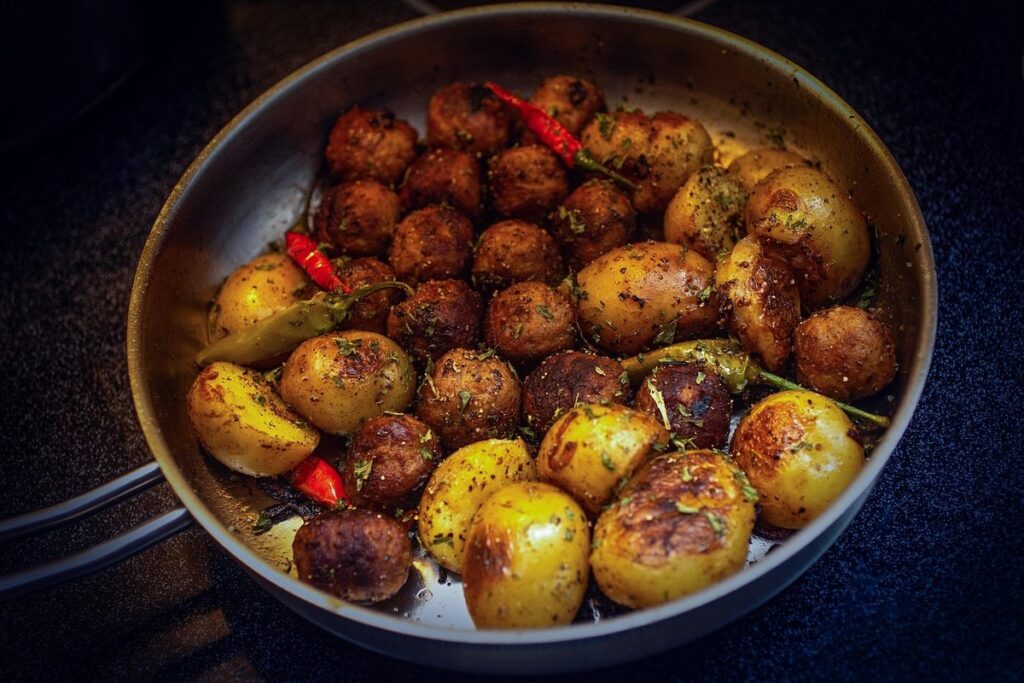
Meatballs and gravy are a staple in Swedish cuisine, often served at family gatherings and special occasions. The classic recipe typically consists of beef or pork meat mixed with breadcrumbs, onion, egg, and spices, formed into small balls and then simmered in a rich brown gravy made from beef broth and cream.
To make traditional Swedish meatballs, you’ll need to use a mixture of ground meats – beef and pork are the most common combinations. The key is to not overmix the meat, which can make it dense and dry. Instead, mix just until the ingredients come together in a cohesive mass.
When serving meatballs with gravy, Swedes often pair them with boiled potatoes or egg noodles. For a more authentic touch, try serving lingonberry jam on the side – this sweet-tart preserve is a traditional Swedish accompaniment to meatballs. You can also experiment with different variations, such as adding nutmeg or allspice to the meat mixture for added depth of flavor.
Janssons Frestelse (Anchovy Casserole): A Rich Swedish Heritage
Janssons Frestelse, also known as anchovy casserole, is a beloved Swedish dish with a rich heritage. Its origins date back to the 1940s, when it was created by Swedish chef Ernst Stchehlin. The name “Janssons Frestelse” translates to “Jansson’s Temptation,” and it’s easy to see why – this casserole is incredibly addictive.
The traditional recipe consists of anchovies, butter, onions, and cream, layered in a baking dish and baked until golden brown. It may sound simple, but the combination of flavors and textures is truly unique. To make Janssons Frestelse at home, you’ll need to start by cooking sliced onions until they’re soft and translucent. Then, layer them with anchovies, butter, and cream in a baking dish.
Some people might be put off by the use of anchovies, but trust us – their salty flavor is what makes this casserole so special. When choosing anchovies for Janssons Frestelse, look for those packed in oil rather than salt. This will give your casserole a more balanced flavor profile. To serve, simply slice the casserole and enjoy it as an appetizer or side dish.
Exploring Regional Specialties in Sweden
From the coast of West Sweden to the rugged mountains of Lapland, regional specialties showcase the unique flavors and traditions that make Swedish cuisine so rich and varied. Let’s explore some of these regional highlights.
West Coast Delights: Smørrebrød and Pickled Herring
The west coast of Sweden is known for its distinct culinary identity, shaped by the region’s rich fishing heritage and proximity to Denmark. One of the most iconic dishes from this area is smørrebrød, an open-faced sandwich typically made with rye bread, pickled red onion, and a variety of toppings such as boiled eggs, pickled herring, or smoked salmon. Smørrebrød often serves as a light meal or snack in Swedish cuisine.
Pickled herring, another staple on the west coast menu, is usually served with boiled potatoes and sour cream. The pickling process involves soaking herring fillets in a mixture of vinegar, sugar, and spices for several days, giving them a distinctive flavor and texture. Some local fishmongers still use traditional methods to pickle their own herring.
When exploring the flavors of Sweden’s west coast, look for local ingredients like rye bread, pickled onions, and fresh seafood. Try visiting markets or food stalls during peak season to sample authentic smørrebrød and pickled herring. Be sure to pair these dishes with a glass of Aquavit or Swedish beer for an immersive culinary experience.
Traditional Dishes from Northern Sweden
Northern Sweden’s cuisine is shaped by its harsh winters and short growing season. Preserving food through pickling, smoking, and canning was essential for survival, and these techniques are still employed today. Meat stews like Köttstuvning, made with beef or lamb, were a staple in many households. The dish typically consists of slow-cooked meat in a flavorful broth with root vegetables such as carrots and potatoes.
Fish soups, like Kåldolmar (cabbage rolls) filled with fish and served in a creamy broth, are also common in northern Sweden. These hearty dishes often feature local ingredients like cod, haddock, and salmon. To make these traditional dishes at home, consider investing in a pressure cooker or slow cooker to mimic the low-temperature cooking techniques used by Swedish cooks.
In some parts of northern Sweden, it’s not uncommon for households to have their own smokehouses for preserving fish and meat. This method allows for longer storage and a richer flavor profile. When trying these dishes at home, be mindful of the balance between flavors – traditional Swedish cuisine often relies on simplicity and allowing ingredients to shine rather than overwhelming them with spices or seasonings.
Modern Swedish Cuisine: Trends and Innovations
Swedish cuisine is evolving, with modern chefs incorporating innovative twists into traditional dishes, such as pickled vegetables and foraged ingredients. You’ll see how these trends are shaping the country’s culinary scene.
New Nordic Cuisine Movement
The New Nordic cuisine movement has significantly influenced modern Swedish cooking. This trend emphasizes foraging, sustainability, and creative use of local ingredients. Many chefs and restaurants in Sweden have adopted these principles to create innovative dishes that showcase the country’s rich natural resources.
Foragers play a crucial role in this movement. They scour the countryside, forests, and coastal areas for wild herbs, berries, mushrooms, and other edible plants. These ingredients are then incorporated into traditional Swedish dishes or used as inspiration for new recipes. For example, some chefs use lingonberry jam to add a sweet-tart flavor to their meatballs.
Sustainability is another key aspect of New Nordic cuisine. Restaurants prioritize using locally sourced ingredients, reducing food waste, and minimizing their carbon footprint. This approach not only benefits the environment but also ensures that dishes are made with the freshest possible ingredients. To incorporate these principles into your cooking at home, consider visiting local markets or foraging in designated areas to find fresh wild ingredients. You can then use them to create unique Swedish-inspired dishes.
Innovative Restaurants and Chefs in Sweden
Swedish chefs and restaurants have been at the forefront of culinary innovation, pushing the boundaries of traditional cuisine. The New Nordic movement, which emerged in the early 2000s, emphasized locally sourced ingredients and minimalistic presentation. Chefs like René Redzepi and Magnus Nilsson pioneered this approach, experimenting with foraged ingredients and unusual flavor combinations.
Today, innovative restaurants like Frantzén in Stockholm and Fäviken in Järna continue to showcase modern Swedish cuisine. These establishments often feature dishes that blend traditional flavors with international influences, such as the use of Korean chili flakes or Japanese miso paste. Some chefs even incorporate molecular gastronomy techniques, adding a new layer of complexity to classic dishes.
For example, Magnus Nilsson’s Fäviken serves a dish called “Venison with Birch Syrup and Cloudberry,” which combines foraged venison with sweet birch syrup and tart cloudberry. This unique flavor combination is both modern and rooted in Swedish tradition. By exploring these innovative restaurants and chefs, food enthusiasts can experience the evolution of traditional Swedish cuisine firsthand.
Cooking with Local Ingredients: A Guide to Foraging in Sweden
Foraging for wild ingredients is a vital part of Swedish cuisine, and learning which plants are safe to use will elevate your cooking. We’ll explore the best local ingredients to forage in Sweden’s forests and fields.
What to Forage in Sweden’s Forests, Fields, and Coastal Areas
In Sweden’s forests, you can forage for a variety of wild mushrooms, including the prized chanterelle and honey mushroom. Look for them growing near birch and pine trees, particularly after heavy rainfall. In fields, keep an eye out for dandelion, wild garlic, and sorrel, which are often found in areas with poor soil quality. These plants are a great addition to salads or sautéed as a side dish.
When exploring coastal areas, be sure to check local regulations regarding seaweed harvesting. Sweden’s coastline offers a variety of edible seaweeds, including dulse and kelp. You can use these to make a flavorful broth or add them to soups for extra nutrition.
Some wild berries are also abundant in Swedish forests, including bilberries, blueberries, and raspberries. However, be cautious when identifying these plants, as some species can be toxic if ingested. Familiarize yourself with the differences between safe and poisonous varieties before attempting to forage for wild berries.
When foraging in Sweden’s wilderness, remember to follow basic safety guidelines: always positively identify any plant or mushroom before consumption, avoid areas contaminated by pollution or pesticides, and never over-harvest, as this can harm local ecosystems.
Traditional Swedish Recipes Using Wild Ingredients
When foraging for wild ingredients in Sweden’s forests, fields, and coastal areas, it’s essential to respect local ecosystems. This is particularly crucial when preparing traditional Swedish recipes that rely on these seasonal finds. Cloudberries, lingonberries, and fennel are just a few examples of the wild ingredients used in classic Swedish dishes.
One iconic recipe featuring cloudberries is cloudberry tart (morotthattar), where fresh berries are mixed with sugar and egg yolks to create a sweet filling. To prepare this dish sustainably, look for areas with an abundance of cloudberries, but avoid over-picking to ensure the plants continue to thrive.
In contrast, lingonberry jam is a staple condiment in Swedish cuisine. When gathering lingonberries, choose areas with low-lying shrubs and bushes, as these are typically more productive than taller growths. Be sure to only pick what’s necessary, leaving enough for other foragers and the ecosystem as a whole.
For a refreshing summer salad, combine fennel fronds with locally-sourced salmon or herring, a nod to Sweden’s long tradition of seafood-based cuisine. When preparing wild ingredients like these, remember that their flavor profiles are often more pronounced than cultivated alternatives.
Conclusion: Bringing Home a Taste of Sweden
Now that you’ve explored the flavors and traditions of Swedish cuisine, it’s time to bring the taste of Sweden home. You’ll find simple tips for recreating these dishes in your own kitchen.
Tips for Trying New Swedish Dishes at Home
When cooking traditional Swedish dishes at home, it’s essential to start with a well-stocked pantry. This includes staples like all-purpose flour, salt, sugar, and baking powder. You’ll also need some basic spices, such as ground cinnamon, nutmeg, and cardamom. These spices are commonly used in Swedish baking and will add depth to your dishes.
In terms of essential ingredients, make sure you have a good supply of meat and fish, particularly pork, beef, and cod. Swedish cuisine is known for its use of locally sourced ingredients, so try to find fresh produce at local markets or farms. For example, pickled herring and gravlax are popular appetizers that rely on fresh fish.
Some other must-haves include lingonberry jam, which is a sweet and tangy condiment used in many Swedish dishes, and aquavit, a spirit flavored with caraway seeds or dill. To get started, try making a traditional Swedish meatball dish like Köttbullar med Potatisgratäng (Swedish Meatballs with Potato Gratin). This will give you a chance to practice using some of these pantry staples and essential ingredients in a delicious and comforting meal.
Final Thoughts on Exploring the World of Swedish Cuisine
As you close this culinary journey through Sweden’s rich gastronomic landscape, we hope you’re inspired to continue exploring and experimenting with new recipes and flavors. The key takeaways from our exploration of Swedish cuisine are its emphasis on local ingredients, simplicity, and traditional cooking methods.
To incorporate these elements into your own cooking, start by identifying the seasonal produce available in your area and using it as a foundation for your meals. This approach will not only result in fresher flavors but also reduce your carbon footprint. You can apply this mindset to Swedish classics like meatballs and gravlax, substituting local ingredients where possible.
Consider visiting online forums or social media groups dedicated to cooking and food enthusiasts. These communities often share tried-and-true recipes and techniques for preparing traditional Swedish dishes using readily available ingredients. Don’t be afraid to ask questions or seek guidance from more experienced cooks – the Swedish culinary tradition thrives on community and sharing knowledge.
Frequently Asked Questions
Can I make Swedish meatballs with gluten-free breadcrumbs?
Yes, you can use gluten-free breadcrumbs as a substitute in traditional Swedish meatball recipes. This is especially useful for those with dietary restrictions or preferences. Simply replace the regular breadcrumbs with an equal amount of gluten-free breadcrumbs and adjust seasoning accordingly.
What if I’m allergic to shellfish? Can I still make Janssons Frestelse?
Yes, you can modify the anchovy casserole recipe to accommodate a shellfish allergy. Replace the anchovies with another strong umami ingredient like mushrooms or sun-dried tomatoes. This will maintain the rich flavor profile without using seafood.
How do I store and reheat leftover Swedish dishes?
To keep your Swedish dishes fresh, store them in airtight containers in the refrigerator for up to 3 days. Reheat by gently simmering over low heat or in the microwave, ensuring the food reaches a safe internal temperature of at least 165°F (74°C). Be cautious when reheating pickled items as they may become too salty.
What are some common mistakes beginners make when cooking traditional Swedish dishes?
One common mistake is using low-quality ingredients, especially when it comes to meat and fish. Choose fresh, seasonal produce and high-quality meats to ensure the best flavor and texture in your Swedish dishes. Additionally, don’t overcook or underseason – Swedish cuisine emphasizes simplicity and balance.
Can I substitute lingonberry jam with another type of fruit preserve in traditional Swedish recipes?
Yes, you can use other types of fruit preserves as substitutes for lingonberry jam, but keep in mind that the flavor profile will change. Raspberry or strawberry jam can add a sweeter taste, while quince or apricot jam may provide a more complex flavor experience. However, lingonberry jam is unique and irreplaceable in many Swedish recipes.