Austria is famous for its rich culinary heritage, with a history that dates back centuries. Hearty beef dishes like Wiener Schnitzel, topped with a crispy golden crust and served with a side of tangy salad, are staples in Austrian cuisine. But it’s not just about the main courses – traditional Austrian pastries like Apple Strudel and Kaiserschmarren (a sweet shredded pancake) are equally iconic. These regional specialties have been shaped by Austria’s unique cultural history, reflecting its position as a crossroads between Eastern and Western Europe. In this article, we’ll explore some of these traditional ingredients and regional specialties, with expert insights on how to incorporate them into your own cooking. By the end of it, you’ll be able to cook up authentic Austrian dishes in your own kitchen.
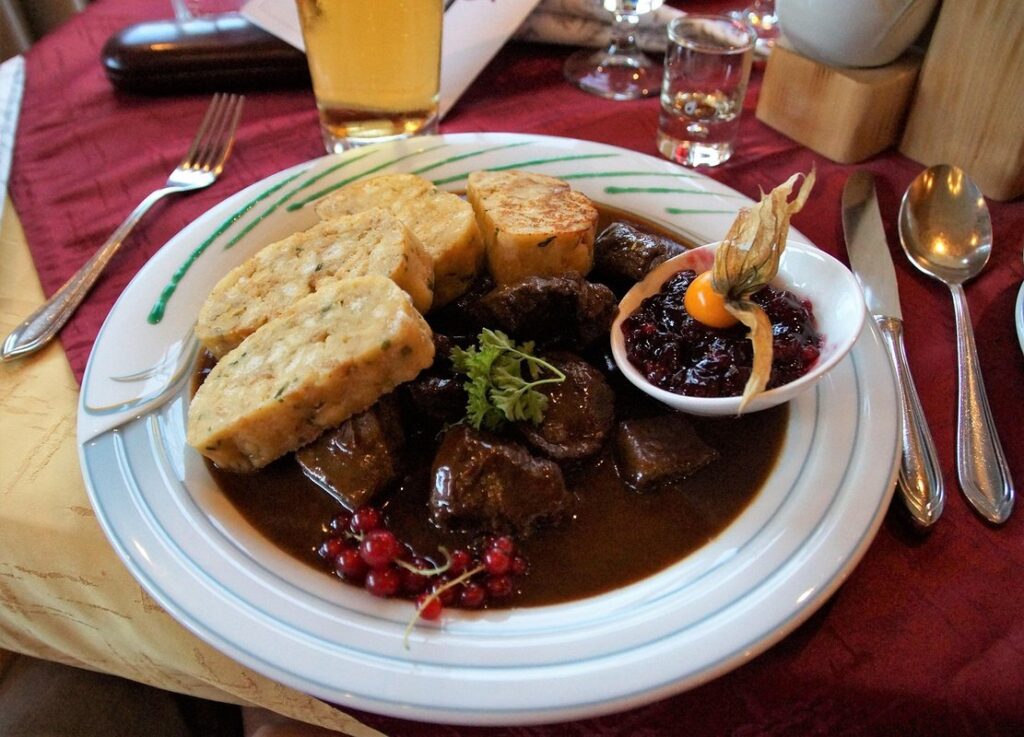
History and Influence of Austrian Cuisine
Austrian cuisine has a rich history that dates back centuries, shaped by various cultures and empires, from the Austro-Hungarian Empire to modern-day influences. We’ll explore how these factors have contributed to its unique flavor profile.
The Role of Imperial Austria in Shaping National Cuisine
Austria’s imperial past played a significant role in shaping its national cuisine. During the 18th and 19th centuries, the country was part of the Austro-Hungarian Empire, which encompassed a vast territory with diverse cultural and culinary traditions. As a result, Austrian chefs were exposed to new ingredients and cooking techniques from various parts of Europe.
One notable influence came from the Italian and French cuisine that was introduced by imperial cooks. These foreign influences can be seen in dishes like Wiener Schnitzel, which is actually an Austrian adaptation of the traditional German dish Schnitzel à la Viennese. Another example is the use of exotic spices and herbs, such as paprika and saffron, which were brought back from the East by returning soldiers.
The imperial court’s culinary traditions also had a lasting impact on Austrian cuisine. The opulent feasts held at Schönbrunn Palace, for instance, showcased elaborate dishes made with game meats, fish, and other delicacies. While these extravaganzas may have been exclusive to the nobility, their influence eventually trickled down to the general population, shaping the country’s culinary identity.
Traditional Ingredients and Their Significance
Austrian cuisine’s reliance on local ingredients is a defining characteristic of traditional dishes. Beef and pork are staples, with many recipes incorporating slow-cooked cuts to create rich, flavorful sauces. Game meats like venison and wild boar are also common, particularly in the mountainous regions where hunting is a long-standing tradition.
Apples and potatoes are regional produce that play a significant role in Austrian cooking. Apples are used in sweet dishes like Apfelstrudel, but they’re also pickled or used in savory sauces to add depth of flavor. Potatoes, on the other hand, are boiled, mashed, or roasted and often served alongside meat dishes.
The significance of these ingredients lies not only in their taste but also in their cultural importance. In many Austrian households, cooking with local ingredients is a matter of tradition and pride. Seasonal produce is often used to create dishes that are both delicious and reflective of the region’s unique character. When shopping for traditional Austrian ingredients, look for locally sourced beef, pork, game meats, and seasonal fruits like apples and berries. These will not only ensure the authenticity of your dishes but also support local farmers and preserve traditional culinary practices.
Classic Austrian Dishes for Every Occasion
From hearty beef goulash to decadent apple strudel, we’ll be showcasing some of Austria’s most beloved and enduring dishes that are perfect for any occasion. Whether you’re cooking for one or entertaining a crowd, these classics never go out of style.
Hearty Beef and Pork Dishes
Austrian beef and pork dishes are renowned for their rich flavors and hearty portions. One of the most iconic is Wiener Schnitzel, a breaded and fried veal cutlet that’s often served with a side of lemon wedges. However, a more traditional take on this dish uses pork instead of veal. Tafelspitz, a boiled beef dish from Upper Austria, is another staple that pairs perfectly with a side of apple compote or horseradish sauce.
Goulash is also a beloved Austrian beef stew made with paprika and served with bread or dumplings. To make it more authentic, use a combination of beef cuts like chuck and brisket, and let the dish simmer for at least two hours to develop its signature flavor. In terms of regional variations, the Tyrolean region is particularly famous for its pork dishes like Kaspressknödel (cheese-filled dumplings) and Tiroler Leberkäse (a type of meatloaf). When cooking these dishes, be sure to use high-quality ingredients like fresh spices and locally sourced meats. This will help you achieve the rich flavors that are characteristic of traditional Austrian cuisine.
Traditional Austrian Soups and Stews
Eintopf, Gulaschsuppe, and Leberkäse-Suppe are just a few of the comforting traditional Austrian soups and stews that have been warming hearts and bellies for generations. These dishes often originated as peasant food, made with readily available ingredients like beans, vegetables, and scraps of meat. However, over time, they’ve evolved into rich and satisfying meals that showcase Austria’s culinary heritage.
Eintopf, a hearty beef stew, is a staple in many Austrian households. The name literally translates to “one-pot,” which refers to the simplicity of cooking it all in one vessel. Gulaschsuppe, on the other hand, is a soup made with a rich beef broth and small pieces of meat, often served with a side of bread or potatoes.
When making these traditional soups and stews, keep in mind that authenticity lies in using locally sourced ingredients whenever possible. For example, Leberkäse-Suppe is typically made with a type of sausage called Leberkäse, which is a staple in Austrian cuisine. To replicate this flavor at home, look for similar sausages or experiment with making your own.
Regional Austrian Specialties
As we explore Austria’s rich culinary heritage, it’s time to focus on the beloved regional specialties that showcase the country’s unique flavors and traditions. From hearty mountain dishes to indulgent river valley delights.
Tyrolean Dishes: Hearty and Rich
Tiroler Gröstl, Kaiserschmarren, and Apple Strudel are just a few of the hearty and rich traditional Tyrolean specialties. These dishes have their roots in the region’s history as an important center for trade and agriculture, where farmers’ wives created nourishing meals from locally-sourced ingredients.
Tiroler Gröstl is a classic example of this approach, with pan-fried potatoes and onions paired with meat (usually beef or pork) and served with a fried egg on top. This dish was originally made as a way to use up leftover meat and vegetables, but it’s now enjoyed throughout the year for its satisfying flavor.
Kaiserschmarren is another beloved Tyrolean dessert that dates back to the 17th century. This shredded pancake dish is typically served with raisins, powdered sugar, and a sweet vanilla sauce, making it a delicious treat after a long day of hiking in the Alps.
When trying these traditional dishes for yourself, look for authentic recipes that use locally-sourced ingredients whenever possible. The rich flavors and textures of Tyrolean specialties are best appreciated when made with fresh, high-quality ingredients.
Viennese Cuisine: A Blend of Eastern and Western Influences
Viennese cuisine is a unique blend of Eastern and Western influences, shaped by the city’s strategic location at the crossroads of Europe. As a result, traditional Viennese dishes often combine rich flavors with lighter, more refined textures. Take, for example, the iconic Sacher Torte: a dense, mocha-flavored chocolate cake that balances bitter and sweet notes.
Other classic Viennese specialties include Wiener Würstel (Vienna sausages), typically served with mustard and a side of potatoes or bread. These small, plump sausages are made from a combination of beef and pork, giving them a rich, meaty flavor. Goulash, another popular dish, is also influenced by Eastern European flavors – its paprika-spiced broth and tender chunks of beef evoke the hearty stews of Hungary.
When cooking Viennese cuisine at home, focus on using high-quality ingredients to capture the full depth of these dishes’ flavors. For Sacher Torte, try making your own chocolate cake from scratch; use dark cocoa powder for an intense, mocha flavor. When preparing Wiener Würstel, choose a good-quality sausage and serve it with a side of tangy mustard or a dollop of sour cream to balance the richness.
Austrian Pastries and Desserts
You can’t visit Austria without trying their famous pastries and desserts, a sweet tradition that dates back centuries. From creamy Kaiserschmarren to rich Sacher Torte, each treat is a masterclass in flavor and technique.
Classic Austrian Cakes and Tortes
Apple Strudel, Dobos Torte, and Sacher Torte are just a few of the iconic pastries that have made Austrian cuisine famous worldwide. Each of these classic cakes has its own unique story and history, shaped by the country’s cultural and culinary traditions.
Apple Strudel, for instance, is a staple of Austrian bakeries and cafes. This flaky pastry is typically filled with sliced apples, sugar, cinnamon, and sometimes raisins or nuts. The filling is often topped with a crumbly streusel topping made from butter, flour, and sugar. To make an authentic Apple Strudel at home, try using a mixture of Granny Smith and Golden Delicious apples for the best flavor combination.
Dobos Torte, on the other hand, is a rich, multi-layered cake named after its creator, Hungarian confectioner Rudolf Dobos. This masterpiece consists of six layers of genoise or sponge cake separated by rich chocolate buttercream and topped with a decorative border of caramelized sugar. To replicate this classic dessert, use high-quality dark cocoa powder for the best flavor.
The Sacher Torte is another beloved Austrian pastry, invented in 1832 by Franz Sacher as a tribute to Archduke Franz Karl of Austria. This mocha-flavored cake consists of two layers of dense chocolate cake separated by a rich apricot jam filling. To make an authentic Sacher Torte at home, use high-quality dark cocoa powder and fresh apricots for the best flavor.
Traditional Austrian Ice Creams and Fruit Desserts
Austrian ice cream flavors often incorporate traditional desserts and fruits. Apfelstrudel, a classic pastry filled with apples, sugar, cinnamon, and sometimes raisins or nuts, is frequently paired with vanilla ice cream to balance its sweetness. Kaiserschmarren mit Schlagsahne, a shredded pancake dessert topped with whipped cream, can also be served as an ice cream flavor in some Austrian cafes.
Other popular traditional Austrian ice cream flavors include Topfenpalatschinken (cheesecake-like crepe) and Stollen ice cream. The latter features the festive fruitcake’s characteristic spices like cinnamon and cardamom. These unique flavors showcase Austria’s rich dessert heritage, with many incorporating local ingredients such as apples, apricots, or cherries.
When trying these traditional Austrian ice creams, keep an eye out for seasonal flavors that incorporate fresh fruits in their peak ripeness. For instance, summer might bring a cherry ice cream featuring tart cherries from the surrounding regions. In contrast, winter’s Topfenpalatschinken ice cream often features sweetened cream cheese and candied fruit to warm up chilly days.
Modern Twists on Traditional Dishes
Some traditional Austrian dishes have been given a modern makeover, blending old favorites with new flavors and techniques to create exciting updates. From upscale takes on classic schnitzel to creative twists on apple strudel.
Fusion Cuisine in Austria: A Blend of Tradition and Innovation
Austrian chefs are redefining traditional dishes by combining familiar flavors with modern twists. This fusion cuisine movement is particularly evident in upscale restaurants and high-end food festivals across Austria. One notable example is the adaptation of Wiener Schnitzel, a classic breaded and fried veal cutlet. Some innovative chefs are substituting pork or beef for the traditional veal, while others add unique flavors like truffle oil or Korean chili flakes.
In Vienna’s trendy Neubau district, restaurants like Griechenbeisl serve modernized versions of traditional Austrian dishes. Their Wiener Schnitzel is topped with a zesty lemon-caper sauce and served with a side of sautéed spinach. This creative take on a classic dish showcases the evolution of Austrian cuisine.
In addition to ingredient substitutions, chefs are also experimenting with new cooking techniques to update traditional recipes. For instance, some restaurants are using sous vide machines to achieve precise temperature control, resulting in tender and evenly cooked meat. By merging old-world flavors with cutting-edge culinary methods, modern Austrian chefs are reinvigorating the country’s rich gastronomic heritage.
Austrian Chefs’ Take on Traditional Cuisine
Austrian chefs are reimagining traditional dishes by incorporating modern flavors and techniques. In an interview with Chef Christian Gemsemer of Vienna’s Michelin-starred restaurant Steirereck, he explains that “the key to updating classic Austrian cuisine is to respect its heritage while introducing new ingredients and methods.” He notes that his restaurant’s focus on foraging and using locally sourced produce is essential in maintaining the authenticity of traditional dishes.
Chef Andreas Döllerer from Tyrolean Alps’ mountain resort, Auracher Löschl, shares a similar approach. “We’re not just serving old recipes,” he says. “We’re creating new experiences by combining traditional techniques with fresh perspectives.” For instance, his restaurant’s signature dish, ‘Tyrolean Alps Goulash,’ features locally sourced beef and mushrooms, served in a hand-carved wooden bowl.
A common thread among these chefs is their emphasis on preserving traditional cooking methods while embracing innovation. As Chef Gemsemer emphasizes, “by staying true to our roots, we can create something new and exciting.” This approach not only showcases the evolution of Austrian cuisine but also provides readers with practical inspiration for experimenting with modern twists in their own kitchens.
Conclusion: Savoring the Flavors of Austria
As we come to the end of our culinary journey through traditional Austrian dishes, let’s take a moment to appreciate the rich flavors and traditions that make this cuisine so special.
Recap of Key Dishes and Regions
As we conclude our culinary journey through Austria, it’s essential to recap the key dishes and regional specialties we’ve explored. Austrian cuisine is a rich tapestry of hearty beef and pork dishes, with Wiener Schnitzel being a staple in Viennese cuisine. This breaded and fried cutlet is often served with a side of lemon wedges and fries.
In addition to meat-based dishes, traditional Austrian soups and stews like Goulash and Eintopf are popular for their comforting flavors and satisfying portions. These slow-cooked meals showcase the country’s emphasis on using high-quality ingredients and letting them simmer to perfection.
Tyrolean cuisine, which hails from the mountainous regions of Austria, is characterized by hearty dishes such as Kaspressknödel (cheese dumplings) and Tiroler Gröstl (a mix of fried potatoes, onions, and sometimes meat). These rich flavors are often balanced by lighter options like apple strudel, a classic Austrian pastry filled with tender apples and cinnamon.
Viennese cuisine, on the other hand, reflects the city’s unique blend of Eastern and Western influences. From Sacher Torte to Sachertörtchen (a smaller, bite-sized version), these iconic pastries showcase the city’s love for rich chocolate and delicate flavors.
In terms of regional specialties, it’s worth noting that Austrian cuisine is not limited to just a few select dishes or regions. Rather, each province offers its own unique take on traditional Austrian cooking. By exploring these local flavors, you can gain a deeper appreciation for the country’s culinary heritage and perhaps even discover new favorite dishes.
Frequently Asked Questions
Can I make traditional Austrian dishes without a lot of specialty ingredients?
Yes, while some ingredients like paprika and caraway seeds can be hard to find, many traditional Austrian dishes rely on common ingredients like beef, pork, apples, and potatoes. Feel free to experiment with substitutes or adjust recipes to suit your local market.
How do I know when my Wiener Schnitzel is cooked through?
Check the internal temperature of the meat to ensure it reaches a safe minimum of 145°F (63°C) for medium-rare or 160°F (71°C) for well-done. Also, look for a golden-brown crust on the outside and a juicy interior.
What’s the difference between a traditional Austrian Goulash and Hungarian Goulash?
While both are hearty beef stews, Austrian Goulash tends to be milder and less spicy than its Hungarian counterpart. Austrian recipes often emphasize paprika and caraway seeds for flavor, whereas Hungarian Goulash is known for its bold paprika kick.
Can I make traditional Austrian desserts without a lot of equipment or experience with pastry dough?
Yes, many classic Austrian pastries like Apple Strudel and Dobos Torte can be made with simple ingredients and basic baking skills. Start with store-bought puff pastry or try making the dough from scratch using a food processor for easier handling.
How do I balance the flavors in traditional Austrian dishes when working with strong ingredients like game meats?
When cooking with strong-tasting meats, focus on balancing the flavor profiles by adding acidity (like lemon juice) and richness (like heavy cream). Also, use aromatics like onions and garlic to add depth without overpowering the dish.