Austrian cuisine has a reputation for being hearty and rich, with dishes that are perfect for warming up on a cold winter’s night. From tender goulash to decadent apple strudel, traditional Austrian foods have been delighting palates for centuries. But there’s more to Austrian cuisine than just its comforting stews and desserts – the country has a unique culinary heritage that reflects its cultural traditions. Christmas is a particularly special time in Austria, with festive treats like Vanillekipferl (vanilla crescents) and Lebkuchen (gingerbread) being an integral part of the holiday season. In this article, you’ll learn about traditional Austrian ingredients, seasonal specialties, and the stories behind these beloved dishes, giving you a deeper appreciation for the country’s rich culinary heritage.

The Origins of Austrian Cuisine
Austrian cuisine has its roots in medieval peasant cooking, shaped by the country’s unique cultural and geographic history. Let’s take a step back to explore how these humble beginnings laid the foundation for Austria’s hearty, comforting dishes.
Early Influences and Immigration
Austria’s strategic location at the crossroads of Europe has led to a rich culinary melting pot. Neighboring countries such as Italy, Hungary, and Germany have all left their mark on Austrian cuisine. The influence of Italian culture can be seen in the use of olive oil, garlic, and herbs like basil, which are commonly used in Austrian cooking. In contrast, Hungarian flavors like paprika and goulash add a bold, savory element to many traditional dishes.
The impact of Germanic traditions is also evident in Austria’s cuisine, with hearty meat stews and breaded cutlets being staples of the country’s culinary heritage. The cultural exchange between these neighboring countries has resulted in the creation of unique Austrian specialties that blend flavors and techniques from each region. For example, Wiener Schnitzel, a breaded and fried veal cutlet, is a classic Austrian dish influenced by both Italian and Germanic traditions.
Immigration has also played a significant role in shaping Austrian cuisine. Many immigrants brought their own culinary practices with them, which were adapted to the local ingredients and tastes. This cultural fusion continues to shape Austria’s culinary identity today.
Medieval Traditions and Feasting
Medieval feasts were grand affairs, often lasting for several days and featuring elaborate dishes made with game meats such as venison and wild boar. These feasts showcased the wealth and status of the host family, with tables groaning under the weight of roasted meats, steaming stews, and freshly baked breads.
Game meats like deer and elk were staples in medieval Austrian cuisine, often served at special occasions like weddings and harvest festivals. Spices played a crucial role in flavoring these dishes, particularly pepper, salt, and mustard. Fine wines from nearby regions were also an integral part of these feasts, with the nobility serving their finest vintages to guests.
To recreate a taste of medieval Austrian cuisine, consider using game meats like venison or wild boar for your next special occasion. Pair them with traditional spices like pepper, salt, and mustard, and don’t forget to serve with a fine glass of wine from Austria’s surrounding regions. For example, try pairing roasted venison with a rich, full-bodied red wine from the nearby Burgenland region.
Hearty Austrian Dishes for Cold Winters
As winter sets in, there’s nothing like a warm and comforting bowl of traditional Austrian goodness to brighten up your cold days. Let’s take a look at some hearty dishes that will keep you cozy by the fireplace.
Goulash: A Classic Beef Stew
Goulash is a beloved staple of Austrian cuisine, often served as a hearty stew made with tender beef, fresh vegetables, and a rich broth. The traditional recipe typically includes onions, carrots, potatoes, and sometimes even paprika, which gives the dish its distinctive flavor. In Austria, goulash is commonly associated with Hungarian influence, reflecting the country’s history of immigration and cultural exchange.
To make authentic Austrian-style goulash, start by browning the beef in a large pot over medium heat, then add sliced onions and cook until they’re translucent. Next, add diced carrots, potatoes, and any other desired vegetables, along with a can of diced tomatoes and a sprinkle of paprika. Pour in beef broth to cover the ingredients, then simmer for at least an hour or until the meat is tender.
For a more rustic touch, serve goulash with crusty bread or over egg noodles, allowing each spoonful to soak up the flavorful broth. This comforting dish is perfect for cold winter nights and can be easily scaled up or down depending on your gathering size. To make it even heartier, try adding some diced sausage or a sprinkle of chopped fresh parsley just before serving.
Schnitzel: Breaded and Fried to Perfection
Austrian schnitzel is a staple dish often made with either veal or pork, cut into thin cutlets before being breaded and fried to a golden brown. The breading process typically involves a light dusting of flour, followed by an egg wash for moisture, and finally a crunchy coating of breadcrumbs, usually from white bread. This triple-coating method helps create the crispy exterior that’s so characteristic of a well-made schnitzel.
Pork schnitzel is often considered the more accessible option, as veal can be pricey and may not be widely available in local markets. However, many Austrians swear by the delicate flavor of veal, making it a preferred choice for special occasions. When choosing either type, look for thinly cut meat to ensure even cooking and prevent overcooking.
A key factor in achieving the perfect schnitzel is cooking temperature. Pan-frying is the traditional method, and a medium-high heat should be used to achieve that crispy exterior while keeping the interior juicy. It’s also essential not to overcrowd the pan – cook the cutlets one or two at a time to prevent them from sticking together.
Desserts and Pastries in Austrian Cuisine
Austrian pastries are a sweet treat that deserves its own spotlight, from classic apple strudel to decadent Sacher torte, each one a testament to the country’s rich baking heritage.
Apple Strudel: A Classic Fruit Pastry
Apple strudel is a quintessential Austrian dessert that has gained popularity worldwide for its unique combination of flavors and textures. At its core, apple strudel consists of layers of phyllo dough, apples, sugar, and spices, which are carefully assembled to create a delicate yet satisfying pastry.
The use of phyllo dough is a crucial element in traditional Austrian apple strudel. This thin, flaky pastry helps to balance the sweetness of the apples and the spices, creating a harmonious flavor profile. To make an authentic apple strudel, it’s essential to layer the phyllo dough correctly, allowing each sheet to absorb the flavors of the apples and spices.
When preparing apple strudel, the type of apple used is also critical. Traditional Austrian recipes often call for tart apples such as Granny Smith or Golden Delicious, which hold their shape and add a nice balance of sweetness and acidity. To enhance the flavor, a mixture of cinnamon, nutmeg, and cardamom is typically sprinkled over the apples before assembling the strudel. By following these guidelines, you can create an authentic Austrian apple strudel that’s sure to delight both locals and visitors alike.
Sacher Torte: A Rich Chocolate Cake
The Sacher Torte is an iconic Austrian dessert that has gained international recognition for its rich flavors and decadent texture. At its core, the cake consists of two layers of dense chocolate cake separated by a layer of apricot jam. This unique combination may seem unusual at first, but it’s precisely what sets the Sacher Torte apart from other chocolate cakes.
When made traditionally, the chocolate cake is dark and intense, with a deep brown color that hints at its rich flavor profile. The apricot jam adds a sweet and tangy contrast to the dense chocolate, creating a delightful harmony of flavors. One of the key secrets to making an authentic Sacher Torte lies in using high-quality dark chocolate and apricot jam, which are often made in-house by Austrian patisseries.
In Vienna, you can find the original Sacher Café, where this iconic cake was first created in 1832. Visitors can still indulge in the traditional recipe, which has remained largely unchanged over the years. For those looking to recreate the experience at home, it’s essential to use high-quality ingredients and follow traditional baking techniques to achieve the signature dense texture and rich flavors of the Sacher Torte.
Traditional Austrian Ingredients and Their Significance
When exploring traditional Austrian cuisine, understanding the significance of ingredients like speck, paprika, and honey is crucial to appreciating the country’s rich food heritage. These staples have been woven into Austria’s culinary fabric for centuries.
Paprika: The Spice of Hungarian Influence
Austrian cuisine is heavily influenced by Hungarian traditions, and this is especially evident in the use of paprika. This staple spice adds a smoky depth to sauces and stews, making it a fundamental component in many classic Austrian dishes.
Paprika’s presence in Austrian cooking can be attributed to the significant migration of Hungarians into Austria during the 18th century. These immigrants brought with them their own culinary practices, including the use of paprika as a primary seasoning. Today, paprika remains an essential ingredient in many traditional Austrian recipes.
When working with paprika, it’s essential to note that there are two main types: sweet and smoked. Sweet paprika is milder and adds a touch of sweetness, while smoked paprika has a robust, savory flavor. Choose the type of paprika that suits your dish best – for example, smoked paprika pairs perfectly with hearty beef stews, while sweet paprika complements lighter fish dishes.
In Austrian cuisine, paprika is often combined with other spices and herbs to create rich and complex flavors. For instance, a traditional Goulash recipe might include paprika, caraway seeds, and garlic for added depth. Experimenting with different spice combinations will help you unlock the full potential of this versatile ingredient.
Nudelsalat (Noodle Salad): A Cold Dish for Summer Months
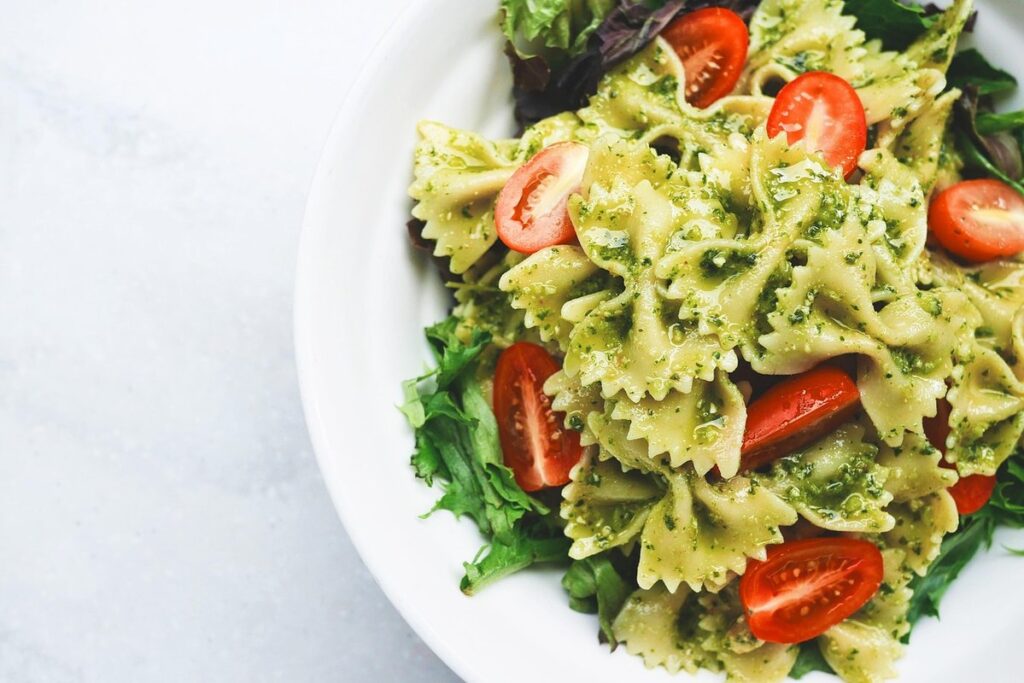
Nudelsalat is a quintessential summer dish in Austrian cuisine, perfect for hot days and outdoor gatherings. The name “noodle salad” may be straightforward, but the combination of cold noodles, vegetables, and tangy dressing makes it anything but ordinary.
The key to a great Nudelsalat lies in its balance of flavors and textures. Typically, Austrians use a mixture of vegetables such as cherry tomatoes, cucumbers, carrots, and bell peppers, which provide a refreshing crunch. The noodles themselves are usually cooked, then chilled to perfection before being mixed with the vegetables.
One common variation of Nudelsalat is the addition of a tangy dressing made from sour cream or yogurt, often combined with chopped fresh herbs like parsley or dill. This gives the dish a creamy and slightly acidic taste that complements the sweetness of the vegetables. When preparing your own Nudelsalat, feel free to experiment with different combinations of noodles, vegetables, and dressings to find your perfect balance.
A practical tip for making Nudelsalat is to prepare the ingredients ahead of time, such as cooking the noodles or chopping the vegetables. This allows you to assemble the dish quickly just before serving, keeping it fresh and chilled until it’s time to eat.
Austrian Christmas Traditions and Foods
As we celebrate the magic of Austria’s holiday season, let’s take a closer look at some beloved Christmas traditions and dishes that bring warmth to the country’s winter festivities. From Heuriger feasts to festive cookies, these customs are sure to make your heart feel merry and bright!
Advent Calendar: A Countdown to Christmas
Austrian families have a beloved tradition of celebrating the advent season with a calendar featuring 24 small doors or drawers. Each door corresponds to a day leading up to Christmas Eve, and behind each one lies a treat or activity waiting to be discovered.
The treats can range from chocolates and nuts to small toys and trinkets. Some calendars also include activities like singing carols, watching a Christmas movie, or doing a good deed for someone in need. The possibilities are endless, making the advent calendar a unique and exciting way to build anticipation for the holiday season.
To create your own Austrian-style advent calendar, start by gathering 24 small containers or drawers, such as old matchboxes or wooden crates. Fill each one with a surprise treat or activity, taking care not to reveal what’s inside until Christmas Eve. You can also involve family members in the process by letting them draw numbers and open their respective doors.
By following this tradition, you’ll not only create a fun and engaging way for your family to count down to Christmas but also preserve an important part of Austrian heritage.
Vanillekipferl (Vanilla Crescent Cookies): A Sweet Christmas Treat
Vanillekipferl are a beloved Christmas treat in Austria, characterized by their delicate texture and rich flavor. These crescent-shaped cookies are typically made with ground nuts, such as hazelnuts or almonds, which add a satisfying crunch to each bite. The addition of vanilla sugar gives the Vanillekipferl a subtle sweetness, while various spices like cinnamon and nutmeg provide warmth and depth.
To make traditional Vanillekipferl at home, you’ll need a combination of ground nuts, granulated sugar, egg yolks, melted butter, and vanilla extract. Some recipes also include a pinch of salt to balance the flavors. The dough is often rolled out thinly, then cut into crescent shapes using a cookie cutter or the rim of a glass.
One key aspect of traditional Vanillekipferl is their shape, which is meant to evoke the crescent moon. This design element is not only aesthetically pleasing but also holds symbolic significance in Austrian culture. During the holiday season, families and friends gather to bake and share these sweet treats, often exchanging them as gifts or serving them at festive gatherings.
To achieve the perfect texture and flavor, it’s essential to use high-quality ingredients, particularly the ground nuts. Freshly toasted hazelnuts, for example, will add a richer, nuttier flavor to your Vanillekipferl than store-bought alternatives.
Frequently Asked Questions
Can I make Austrian-style goulash without paprika?
Yes, while paprika is a key ingredient in traditional Austrian goulash, you can omit it or substitute with another smoky spice like caraway seeds. However, keep in mind that paprika’s distinctive flavor will be missing.
How do I achieve the perfect crispy crust on my schnitzel?
To get a crispy schnitzel crust, make sure to coat the meat evenly with breadcrumbs and then refrigerate for at least 30 minutes before frying. This allows the crumbs to adhere properly, resulting in a crunchy exterior.
What’s the difference between Austrian and Hungarian goulash?
While both countries claim goulash as their own, Austrian goulash tends to be thicker and heartier, often served as a main course. Hungarian goulash is typically thinner and more soup-like, with a focus on rich beef broth and sometimes served over egg noodles.
Can I use store-bought phyllo dough for my apple strudel?
Yes, but keep in mind that homemade phyllo dough will yield a more tender and flaky pastry. Store-bought phyllo can still produce excellent results, though – just thaw it according to package instructions and layer it evenly with the filling.
What’s the best way to store Vanillekipferl cookies for Christmas?
To keep your Vanillekipferl cookies fresh throughout the holiday season, store them in an airtight container at room temperature. You can also freeze them for up to 2 months – simply thaw at room temperature when ready to serve.