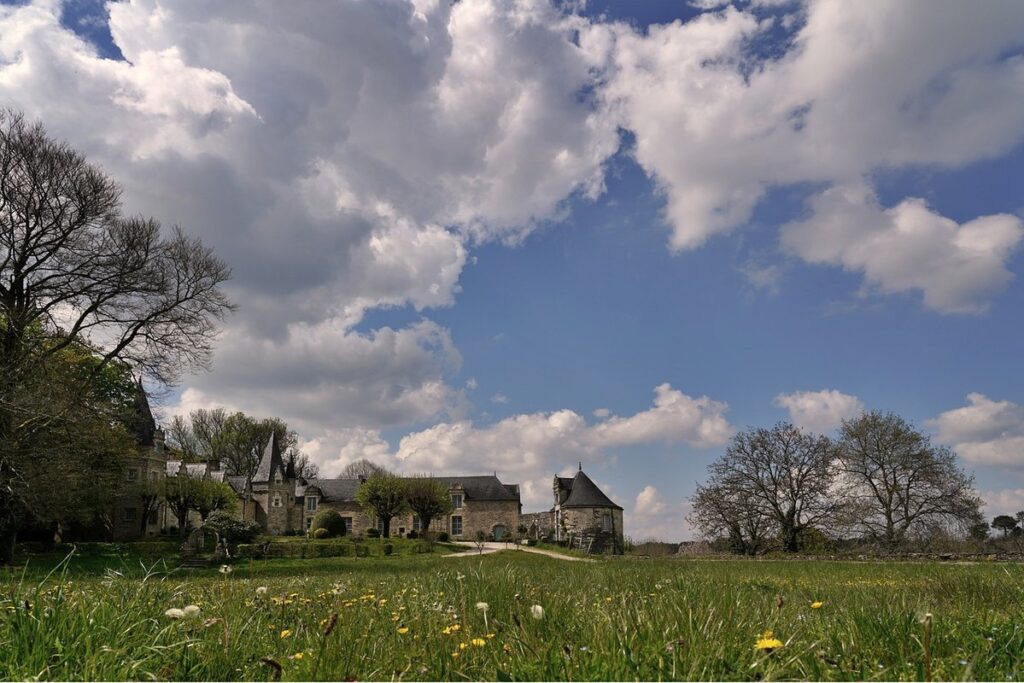
Traditional French houses have long been synonymous with elegance and charm. Their rich history dates back to the Middle Ages, where they were designed to showcase the country’s unique blend of medieval and Renaissance styles. From the rustic stone cottages of rural Provence to the ornate townhouses of Paris, each region boasts its own distinct interpretation of traditional French architecture. But what makes a house truly “French”? Is it the carefully placed shutters, the delicate ironwork, or the perfectly proportioned façade? Whatever the answer may be, one thing is certain: traditional French houses have captivated designers and homeowners around the world for centuries. In this comprehensive guide, we’ll explore the history of traditional French design, its modern interpretations, and provide you with the knowledge to bring a touch of French elegance into your own home by the time you finish reading.
History and Evolution of Traditional French Houses
Traditional French houses have a rich history that spans centuries, shaped by cultural and architectural influences from various periods. Let’s take a closer look at how these iconic homes evolved over time.
The Origins of French Domestic Architecture
Medieval castles and fortified villas laid the groundwork for traditional French domestic architecture. As trade and cultural exchange flourished during the Middle Ages, the influence of Romanesque and Gothic styles began to manifest in French building designs. The 12th century saw the emergence of ribbed vaults and pointed arches, which would become hallmarks of French architecture.
The Renaissance period brought significant changes to French domestic design, as Italian architects like Philibert de l’Orme introduced classical elements and symmetry. The Hôtel Particulier, a type of aristocratic residence, became popular during this time, featuring elegant facades and ornate decorations. By the 17th century, French domestic architecture had evolved to include features such as grand staircases, intricately carved fireplaces, and large windows with ornate shutters.
The 18th century saw the rise of the French château, a type of country estate that epitomized the refined taste and luxury of the French aristocracy. Châteaux often featured imposing facades, beautifully landscaped gardens, and elaborate interiors adorned with fine art and furnishings. The development of French domestic architecture during this period was characterized by a focus on elegance, refinement, and the celebration of nature.
Influences on French House Design
The design of traditional French houses reflects a rich tapestry of cultural and architectural influences. One significant impact was the Renaissance style, which introduced grand proportions, symmetrical facades, and classical details such as archways and ornate moldings. This style, popularized during the 16th century, emphasized elegance and refinement, shaping the aesthetic of French country homes.
Art Nouveau, which emerged in the late 19th and early 20th centuries, had a profound influence on French house design. Characterized by sinuous lines, flowing curves, and natural motifs, Art Nouveau added a sense of whimsy and romance to traditional French architecture. The style’s emphasis on organic forms and flowing lines can be seen in the use of arches, rounded doorways, and decorative ironwork.
In particular, the Renaissance and Art Nouveau styles influenced the design of French houses through their incorporation of ornate details, such as carved wood paneling, intricate stonework, and ornate metalwork. These elements add a level of sophistication and visual interest to traditional French homes, setting them apart from other European architectural styles. By understanding these influences, homeowners can appreciate the nuances of traditional French house design and incorporate its timeless elegance into their own properties.
Characteristics of Traditional French Houses
Traditional French houses often feature a symmetrical facade, tall windows, and a steeply pitched roof, creating an instantly recognizable look. These distinctive characteristics are rooted in centuries-old architectural traditions.
Exterior Features
Traditional French houses often boast exteriors that exude timeless charm. The façade is typically composed of stone, such as limestone or sandstone, which provides a solid foundation and adds to the structure’s aesthetic appeal. These stones are often arranged in a specific pattern, like ashlar or rubble masonry, to create a visually striking exterior.
Roof types also play a significant role in defining traditional French house architecture. The most common type is the mansard roof, characterized by its steep pitch and multiple layers of overlapping tiles. This design not only adds visual interest but also helps to reduce water seepage into the building. Other notable roof styles include the hipped roof and the gabled roof.
Doorways in traditional French houses are often ornate and decorated with intricate carvings or moldings. They typically feature a central entrance flanked by pilasters or columns, which add to the structure’s sense of grandeur. When choosing a door style for your own traditional French house, consider opting for one made from durable materials like wood or metal, and don’t forget to add decorative hardware to complete the look.
Note: The height of the doorway can be as low as 6 feet (1.8 meters) to make it easier to install large doors and create a sense of intimacy within the home.
Interior Design Elements
Traditional French houses are renowned for their elegant interior design elements, which reflect the country’s rich history and love of refinement. One of the defining features of a traditional French interior is its flooring. Wooden parquet floors, often made from oak or beech, are a classic choice, while stone floors, such as limestone or slate, add a touch of rustic charm.
Ceiling treatments also play a significant role in creating the distinctive atmosphere of a traditional French house. High ceilings with ornate moldings and plasterwork are typical, while exposed beams and wooden joists contribute to the sense of authenticity. In many older houses, you’ll find decorative ceiling roses, which add an extra layer of elegance.
Windows are another key element of traditional French interior design. Large windows with shutters, often made from wood or wrought iron, flood rooms with natural light and provide a glimpse into the outdoors. Some houses feature arched windows, which introduce a touch of grandeur, while others have smaller, more subtle openings that allow for a softer, more intimate feel.
Regional Variations in French House Architecture
From the rustic charm of rural Provence to the grandeur of Parisian townhouses, regional differences significantly impact the design and style of traditional French houses. We’ll explore these variations in more detail below.
The Loire Valley Style
The Loire Valley region of France is renowned for its stunning châteaux and picturesque villages. The architectural style of houses found in this area is characterized by elegance and refinement. One of the most distinctive features of Loire Valley houses is their use of tall, narrow windows with ornate stone surrounds. These windows, often arranged symmetrically on either side of a central door, allow an abundance of natural light to flood into the interior spaces.
In contrast to other regional styles in France, Loire Valley houses tend to be more formal and ornate. This is reflected in their use of intricate stonework, carved wooden doors, and elaborate rooflines. Many houses in the region feature a Mansard roof, which was popularized by 17th-century French architects. This type of roof allows for maximum storage space while maintaining a sleek, streamlined appearance.
When designing or renovating a house in the Loire Valley style, consider incorporating these key elements: tall, narrow windows with stone surrounds; intricate stonework and carved wood details; and an ornate, symmetrical façade. By combining these features with a sense of scale and proportion, you can create a charming and elegant home that captures the essence of this iconic French region.
Provençal-Style Houses
Provençal-Style houses in the Provence-Alpes-Côte d’Azur region are characterized by their rustic charm and Mediterranean flair. These homes often feature local materials such as limestone, terra cotta, and wood, which are used to create a sense of warmth and authenticity.
One of the defining features of Provençal-Style houses is their use of shutters (volets) and wooden doors, typically painted in a soft pastel color. The windows themselves often have a rounded or arched shape, adding to the Mediterranean-inspired aesthetic. The roofs are frequently tiled with terracotta tiles, which provide excellent insulation against the hot summer sun.
Inside, Provençal-Style houses often feature rustic stone walls, beamed ceilings, and exposed wooden beams (poutres). The floors may be made of terra cotta or wood, adding to the sense of warmth and coziness. In terms of design elements, Provençal-Style homes often incorporate traditional Provençal motifs, such as ceramics, textiles, and ironwork.
To achieve a Provençal look in your own home, focus on using local materials and incorporating Mediterranean-inspired design elements, such as shutters, wooden doors, and arched windows. Consider adding rustic stone walls or beamed ceilings to create a sense of authenticity.
Design Elements Unique to French Country Homes
One of the most distinctive features of traditional French country homes is their unique blend of rustic and elegant design elements, which set them apart from other architectural styles. Let’s take a closer look at some of these special touches that make French country homes so charming.
The Use of Orangeries and Greenhouses
Orangeries and greenhouses were integral features of traditional French country homes, serving both functional and decorative purposes. For practical reasons, these structures provided a climate-controlled environment for growing citrus trees and other delicate plants that couldn’t withstand harsh winter conditions. This was particularly crucial during the 18th and 19th centuries when access to exotic fruits was limited.
To incorporate orangeries and greenhouses into their design, French homeowners often constructed them adjacent to or integrated them into existing structures. The most common placement was adjacent to the main house, creating a seamless transition between indoor and outdoor spaces. This not only allowed for easy access but also maintained the aesthetic balance of the property.
Some notable examples of orangeries can be found in France’s Palace of Versailles and Château de Fontainebleau. These structures were not only functional but also served as status symbols, reflecting the wealth and refinement of their owners. In modern times, incorporating an orangery or greenhouse into a traditional French country home design can add character and create a sense of connection to nature.
Wrought Iron Accents
Wrought iron accents are a defining feature of traditional French house design. Their use dates back to the 17th century when iron was first used as a decorative material. Initially, wrought iron was employed for functional purposes such as railings and gates but soon became an integral part of interior decor.
Decorative elements like wrought iron chandeliers, door handles, and window grilles were crafted with intricate details and patterns that added a touch of elegance to the home’s exterior and interior spaces. The most common types of wrought iron accents found in traditional French houses include:
- Railings: often adorned with floral motifs or scrollwork
- Gates: frequently decorated with fleur-de-lis or other classic designs
- Chandeliers: featuring ornate details like leaves, flowers, or geometric patterns
When selecting wrought iron accents for a traditional French-style home, consider the following: match the style of the existing hardware and fixtures; choose pieces with a distressed or antique finish to create a vintage look; and don’t overdo it – a few well-placed decorative elements can make a greater impact than numerous smaller ones.
Preserving and Restoring Traditional French Houses
When it comes to preserving and restoring traditional French houses, a delicate balance must be struck between respecting their historic charm and incorporating modern comforts. This delicate process requires careful consideration of each unique element.
Challenges in Restoration
Restoring a traditional French house can be a daunting task, especially when it comes to finding authentic materials and respecting original architectural features. One of the biggest challenges is tracking down period-specific materials, such as hand-hewn beams, stone tiles, and antique hardware. These items are often difficult to find, and even more challenging to source from local suppliers.
Another hurdle is deciding which elements to restore or replace. A traditional French house’s charm lies in its unique character, but this can also make it difficult to determine what’s original and what’s been added over time. For instance, some homes may have had their original wooden shutters replaced with modern aluminum ones, while others might still boast their original stone façades.
To overcome these challenges, homeowners should start by consulting with local architects or restorers who specialize in traditional French architecture. These experts can help identify authentic materials and provide guidance on how to restore original features without compromising the home’s integrity. They may also recommend visiting local salvage yards or antique shops to source period-specific items. By taking a thoughtful and deliberate approach, homeowners can ensure that their restoration efforts respect the history and character of their traditional French house.
Best Practices for Preservation
When preserving a traditional French house, it’s essential to prioritize materials and techniques that respect its original integrity. For exterior preservation, use high-quality limestone or stone render to maintain the home’s weathered appearance. When replacing old mortar joints, choose lime-based mortars to ensure compatibility with historic stonework. Consider consulting a local artisan or joiner who specializes in traditional French house restoration for advice on selecting authentic materials.
For interior preservation, focus on restoring original features such as wooden beams, tilework, and ornate plaster. Avoid using modern paints or varnishes that may alter the home’s historical appearance. Instead, opt for low-VOC (volatile organic compound) alternatives specifically designed for historic preservation. Consider consulting a professional conservator to assess and restore delicate decorative elements like carved wood or gilded mirrors.
For both exterior and interior preservation, document every step of the restoration process with photographs and notes. This will help you track changes and ensure that your preservation efforts remain faithful to the home’s original character.
Modern Interpretations of Traditional French House Design
Modern French house design is evolving, and we’re seeing a fusion of classic elegance with contemporary twists, redefining traditional architecture. Let’s take a closer look at these innovative interpretations.
Contemporary French Country Style
Modern architects and designers are reinterpreting traditional French house design by incorporating new materials and technologies while maintaining classic charm. This contemporary take on the traditional French country style is evident in the use of reclaimed wood, energy-efficient windows, and sustainable building practices.
Innovative materials such as zinc roofing and corten steel accents add a modern twist to the classic French look. Architects are also experimenting with non-traditional layouts while preserving the essence of the original design. For instance, some homes feature open-plan living areas or minimalist kitchen designs that maintain the functionality of traditional French country kitchens.
Contemporary French Country style also emphasizes energy efficiency and environmental sustainability. Many modern interpretations incorporate green roofs, solar panels, and rainwater harvesting systems to reduce a home’s carbon footprint. These updates not only enhance the aesthetic appeal of traditional French houses but also ensure their continued livability in the present day.
When designing a modern interpretation of a traditional French country house, consider incorporating at least one sustainable feature, such as energy-efficient windows or a green roof, to minimize environmental impact while maintaining classic charm.
Sustainable Living in French-Style Homes
Incorporating eco-friendly materials is a crucial aspect of sustainable living within traditional French-style homes. Natural stone, such as limestone and sandstone, are common choices for exterior facades due to their durability and low maintenance requirements. When selecting interior finishes, consider using reclaimed or sustainably sourced wood for flooring and paneling.
Energy-efficient systems can also be seamlessly integrated into a French-style home’s design. For example, installing solar panels on the roof can provide renewable energy while maintaining the home’s traditional aesthetic. Additionally, incorporating large windows and skylights can maximize natural light and reduce the need for artificial lighting.
Creating green spaces is another vital aspect of sustainable living in French-style homes. Incorporating a garden or courtyard not only provides an opportunity to grow herbs and vegetables but also helps to purify the air and mitigate urban heat island effects. Consider using rainwater harvesting systems to collect and store water for irrigation, reducing the demand on municipal supplies.
A small minority of homeowners may choose to incorporate more advanced sustainable features, such as geothermal heating or cooling systems. However, these can often be integrated into a home’s design with minimal visual impact.
Frequently Asked Questions
How to apply traditional French house design elements in modern construction
When incorporating traditional French design elements into new constructions, consider using local materials and adapting classic features to suit contemporary needs. For example, you can use reclaimed wood for flooring or incorporate large windows with shutters to evoke a sense of history while meeting modern energy efficiency standards.
What if I’m restoring an old French house but the original architectural features are damaged beyond repair?
In cases where original features cannot be salvaged, consult local preservation experts and consider using replicas or reinterpretations that stay true to the spirit of traditional French design. This approach allows you to respect the home’s history while also ensuring safety and functionality.
Can I combine different regional styles of traditional French houses in my own design?
Yes, combining elements from various regional styles can create a unique and authentic look for your project. Consider the cultural and historical context of each style and how they might complement or contrast with one another to achieve a cohesive aesthetic.
How do I balance preserving original architectural details with making necessary modern upgrades?
Prioritize maintaining original features that are structurally significant, historically valuable, or contribute significantly to the home’s charm. For upgrades, choose materials and designs that are sympathetic to the existing style, ensuring a harmonious blend of old and new elements.
What if I’m working with a tight budget – can I still achieve a traditional French house look?
Yes, traditional French houses were originally designed for practicality and economy in mind. Focus on timeless elements like natural materials (wood, stone), simple shapes, and classic ornamentation to create a sense of authenticity without breaking the bank.