If you’re planning a trip to Italy or doing business with Italian companies, one thing is crucial to understand: what currency does Italy use? Just a few decades ago, the Italian Lira was the standard unit of exchange, but in 2002 Italy made the switch to the Euro. This change has significantly impacted how transactions are conducted in the country, and it’s essential to know the ins and outs of using currency in Italy. From navigating exchange rates to managing your finances while traveling abroad, this transition can be overwhelming for both tourists and businesses alike. In this article, we’ll break down the history behind Italy’s adoption of the Euro, explore current exchange rates, and provide expert tips on making smooth transactions in Italy – by the end of this guide, you’ll know how to successfully use currency during your Italian journey.
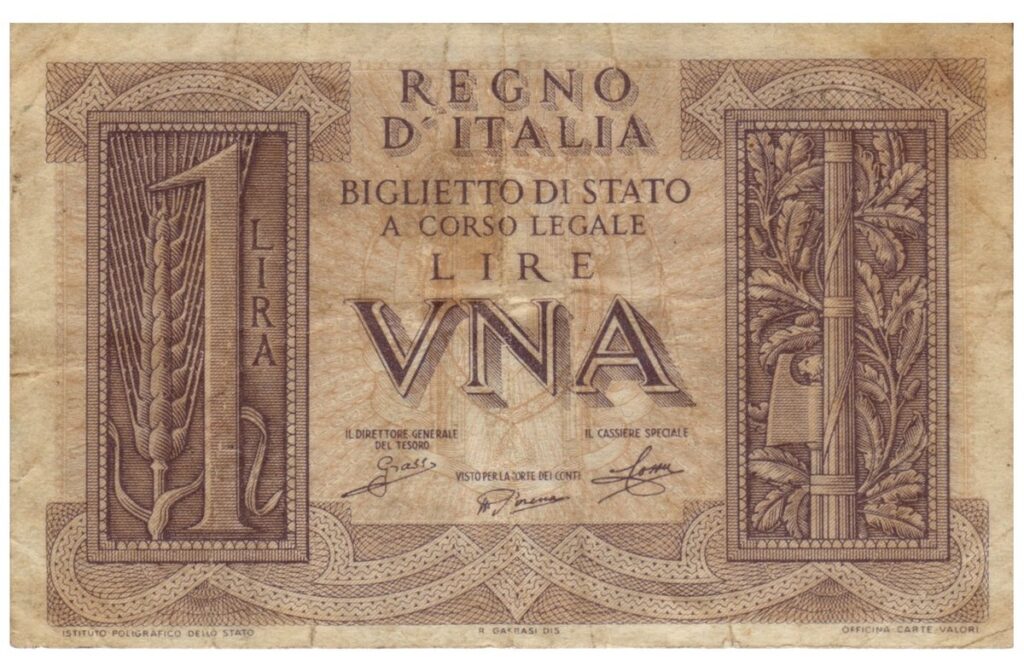
History of Italian Currency
From ancient Roman coins to the modern Euro, Italy has a rich and varied history of currency that’s as fascinating as it is complex. Let’s take a closer look at how Italy’s money evolved over time.
Introduction to Pre-Euro Currencies
Before the introduction of the Euro, Italy used a complex system of regional currencies. One of the most well-known is the Lira, which was the official currency from 1861 to 2002. The Lira was subdivided into 100 centesimi and was widely accepted throughout Italy. However, there were also several regional currencies in use, particularly in the northern regions of Italy.
For example, the Lombardy-Venetia region used a currency called the Banca del Monte Comune, while the Kingdom of Sardinia used the Sardinian Lira. These regional currencies often had their own distinct denominations and designs, which could make transactions confusing for travelers and traders. The use of multiple currencies within Italy led to a complex system of exchange rates, which made economic transactions more difficult.
In order to understand the various pre-Euro currencies used in Italy, it’s essential to know that some regional currencies co-existed with the Lira, particularly in the north. If you’re planning a trip to Italy or doing business there, it’s worth being aware of these historical currency systems and how they may still impact local economies today.
Italian Lira: The Primary Currency from 1861-2002
The Italian Lira was the primary currency of Italy from 1861 to 2002. Introduced after the unification of Italy, it replaced various regional currencies and established a standardized system for the newly formed nation. The Lira’s value fluctuated over time due to inflation, economic crises, and changes in international exchange rates. To combat high inflation in the 1970s and 1980s, the Italian government implemented policies to control prices and interest rates.
The introduction of the Euro in 1999 led to a gradual phase-out of the Lira. Banks began to exchange Lira for Euros at a fixed rate of 1,936.27 Lira per Euro. By January 2002, cash transactions were no longer permitted in Lira, marking its official replacement by the Euro. Although the Lira is no longer used as currency, it still exists in some forms, such as collectible coins and commemorative banknotes. Today, these items can be found at specialty stores or online marketplaces, often priced according to their rarity and historical significance.
Introduction to the Euro
Let’s start with the basics: Italy uses the Euro as its official currency, but where did this popular currency come from and what makes it unique?
Adoption of the Euro in Italy
Italy’s adoption of the Euro as its official currency was a significant step towards economic integration with other European countries. In 1998, Italy met the necessary criteria to join the Eurozone and began phasing out the Italian lira. One major benefit of adopting the Euro was reduced inflation rates, which had been a persistent issue in Italy for decades. The introduction of the Euro also brought an end to currency exchange fluctuations, making international trade and tourism easier.
However, the transition came with challenges. Italian businesses had to adapt to new pricing strategies and inventory management systems, as prices were now fixed across all Eurozone countries. Some small businesses struggled to keep up with the change, particularly those that relied heavily on cash transactions. Additionally, consumers experienced some initial price increases due to the elimination of currency exchange fees.
The adoption process was a complex and gradual one, involving the creation of new banknotes and coins featuring Italian designs. Today, Italians use Euros in daily life just as their counterparts in other Eurozone countries do, with no signs of reverting back to the lira.
Key Features of the Euro in Italy
The Euro, introduced in 1999 as a physical currency and widely used across the European Union, including Italy, boasts several key features that set it apart. Italian users can expect to see various denominations, ranging from €0.01 to €500. The Euro’s banknotes feature seven different designs, each representing a unique aspect of Europe’s cultural heritage. These designs are meant to be easily recognizable and accessible to people with visual impairments.
Security features also play a crucial role in preventing counterfeiting. Italian users will notice the holograms on the banknotes that change color when tilted. The Euro’s advanced security systems include raised printing, micro-lettering, and watermarks. These features can be tested by running your fingers over the surface of the note or holding it up to light.
It is essential for Italians to familiarize themselves with these characteristics to ensure they are using authentic currency. When handling large amounts of cash, particularly when traveling or conducting business, being able to identify counterfeit notes can save time and hassle in the long run. By understanding the Euro’s various denominations and security features, Italian users can confidently use this widely accepted currency.
Using Currency in Italy: Practical Considerations
As you prepare for your Italian adventure, understanding how to use currency effectively is crucial for a stress-free trip. This section covers essential tips on exchanging money, using ATMs, and making purchases in Italy.
Exchange Rates and Conversions
When exchanging currencies for everyday transactions in Italy, it’s essential to understand how exchange rates work and perform conversions correctly. The Euro is the official currency of Italy, so you’ll need to exchange your money into Euros. You can do this at a bank, currency exchange office, or sometimes even at an airport.
Be aware that exchange rates fluctuate constantly, affecting the amount of money you receive. A small difference in the rate can result in significant variations in value. For example, if you’re exchanging $100 into Euros and the rate is 1.10, you’ll get €110. However, if the rate drops to 1.05, you’ll only get €105.
To minimize losses, consider using an ATM to withdraw Euros with your debit or credit card. This way, you can avoid initial exchange rates at banks and instead pay a withdrawal fee, which is often lower than the markup on exchanged cash. Additionally, when shopping in Italy, prices are typically displayed in both Euros and local currency. To convert prices, use a rough estimate of 1 USD = €0.90-€0.95 to gauge the cost.
ATMs, Credit Cards, and Digital Payments in Italy
In Italy, you’ll find a mix of traditional and modern payment methods. ATMs (bancomat) are widely available, especially in major cities like Rome, Florence, and Venice. You can withdraw euros from most banks’ ATMs using your debit or credit card, but be aware that some may charge high fees for international transactions. It’s essential to inform your bank of your travel plans to avoid any issues.
Many businesses in Italy accept major credit cards like Visa, Mastercard, and American Express. Some popular destinations like restaurants and shops in tourist areas often prefer card payments over cash. However, it’s still a good idea to have some euros on hand for smaller purchases or when visiting local markets.
Digital payment systems are becoming increasingly common in Italy, especially among younger people. You can use services like PayPal, Revolut, or TransferWise to send and receive money digitally. Some banks also offer mobile apps that allow you to make payments using your phone. Be sure to research the fees associated with these services before using them for international transactions.
Currency Exchange Services in Italy
Italy is a popular tourist destination, but exchanging your money can be confusing. In this section, we’ll guide you through your options for exchanging currency while traveling in Italy.
Banks and Currency Exchange Offices
In Italy, you can exchange currency at various institutions, including banks and currency exchange offices. Major banks such as UniCredit, Intesa Sanpaolo, and BancoPosta have multiple branches throughout major cities like Rome, Florence, and Venice. These banks typically offer competitive exchange rates and are open Monday to Saturday.
Currency exchange offices, also known as cambi or cambios, are specialized businesses that focus on foreign currency exchange. They often have better rates than banks for certain currencies, such as US dollars and euros, but may not be available 24/7. Some popular currency exchange office chains in Italy include Sollievi and Travelex.
When arriving at an Italian airport, you’ll find currency exchange offices or currency kiosks that are open during flight arrivals. However, these typically come with higher fees and less favorable rates than banks or specialized currency exchange offices.
It’s worth noting that credit unions and postal savings banks may also offer currency exchange services, although their availability and hours of operation can vary significantly depending on the location.
Fees, Rates, and Tips for Exchanging Currency
When exchanging currency for your trip to Italy, it’s essential to compare rates and avoid excessive fees. Look for banks or exchange offices near major tourist areas, as they tend to offer more competitive rates than those located further away. Some popular options include Uffizi Bank, UniCredit, and Poste Italiane.
Check the exchange rate online before visiting an office to ensure you’re getting a good deal. A small difference in the rate can add up over time, especially when exchanging large amounts of money. Consider using a credit or debit card with no foreign transaction fees instead of exchanging cash at airports or hotels.
Be wary of “commission-free” exchanges that often charge higher rates to make up for it. Also, be mindful of any additional fees associated with exchanging money, such as transfer charges or ATM withdrawal fees. To minimize these costs, use ATMs affiliated with your bank or those that offer lower fees, like Bancomat or BancoPosta.
Italian Economy and Currency Trends
The Euro is Italy’s official currency, but understanding its economic trends is essential for travelers and investors alike. Let’s take a closer look at Italy’s economy and currency fluctuations over time.
Economic Factors Influencing the Euro’s Value
The Euro’s value is significantly impacted by various economic indicators in Italy. Gross Domestic Product (GDP) growth rate plays a crucial role, as a high growth rate can boost consumer confidence and attract foreign investment, thus increasing the demand for the Euro. Conversely, slow GDP growth or recession can erode trust in the currency.
Inflation rates also have a notable effect on the Euro’s value. High inflation can indicate rising costs of living and declining purchasing power, which may lead to reduced investor interest and decreased demand for the Euro. On the other hand, low inflation demonstrates a stable economy and fosters confidence among investors.
Italy’s trade balances are another key indicator. A large trade deficit indicates that Italy imports more goods than it exports, increasing its reliance on foreign currency reserves. This can put downward pressure on the Euro’s value. Conversely, a sizable trade surplus suggests a strong export-oriented economy, which can strengthen the Euro. The Italian government’s economic policies and decisions have a direct impact on these indicators, demonstrating how they influence the country’s currency dynamics.
Future Developments in Italian Currency Policy
Italy’s currency policy has historically been closely tied to the Eurozone. However, there have been ongoing discussions about potential changes or alternatives. In recent years, Italy has explored adopting a digital euro, which could provide increased financial inclusion and efficiency.
The European Central Bank (ECB) has launched several pilot programs for digital euro implementations, with some experts predicting widespread adoption within the next decade. Italy’s participation in these initiatives suggests its willingness to adapt and potentially integrate new technologies into its existing currency framework.
Despite these developments, there are still concerns about the impact on traditional monetary policy tools and fiscal autonomy. Some argue that a digital euro could undermine national control over economic decision-making. Others see it as an opportunity for innovation and improved financial stability.
As Italy continues to navigate these complex issues, investors and individuals alike should be aware of potential implications on their finances. Those with investments in Italian assets may want to monitor developments closely or consider diversifying their portfolios accordingly.
Conclusion: Navigating Currency in Italy
Now that you’ve learned the ins and outs of Italy’s currency, it’s time to wrap up your trip planning with some final tips on navigating exchange rates.
Recap of Essential Information for Visitors
When visiting Italy, it’s essential to understand how currency works. The official currency of Italy is the Euro (€). You’ll find ATMs and exchange offices throughout major cities like Rome, Florence, and Venice. For small purchases, many shops, cafes, and restaurants now accept credit and debit cards, as well as contactless payments.
To get euros for your trip, you can withdraw from an ATM using your debit or credit card, which typically offers the best exchange rate. Be aware that some ATMs may charge a withdrawal fee, and not all banks offer this service. Consider loading a prepaid currency card or purchasing euros in advance to minimize fees. For larger transactions, you might need to exchange cash at a bank or currency exchange office.
If you’re using an American credit or debit card, you should inform your bank of your travel plans to avoid any transaction issues. You can also check with your card issuer about foreign transaction fees and any additional charges. By understanding how to use currency in Italy, you’ll be better equipped to navigate everyday expenses, from grabbing a coffee to exploring famous landmarks. Keep some cash on hand for small purchases or when using public transportation, especially outside major cities.
Final Tips and Recommendations for a Smooth Transaction Experience
When exchanging currency for your Italian trip, it’s essential to minimize risks and avoid common mistakes. One expert tip is to inform your bank of your travel plans, so they don’t flag your transactions as suspicious and freeze your account. This can also prevent you from being charged high fees or having limited access to cash.
In Italy, credit cards are widely accepted in larger cities, but smaller towns may only accept cash. Make sure to have a mix of both currencies on hand, especially if you plan to visit rural areas. Many tourists rely solely on their debit or credit card and end up struggling to make purchases at local shops and restaurants.
To avoid being ripped off by money changers, exchange your currency at banks or authorized currency exchange offices instead of airport kiosks or street vendors. These establishments typically offer more favorable rates and better services. It’s also essential to check the expiration date on your traveler’s checks, as some may have fees associated with their use in Italy.
Frequently Asked Questions
Can I still use Italian Lira in Italy?
Yes, while the Euro is the official currency of Italy, businesses may accept Lira for a limited time. However, it’s essential to exchange your money as soon as possible, as many places no longer accept the old currency.
How do I know if an ATM or currency exchange office is reputable?
When using ATMs or visiting currency exchange offices in Italy, look for clear signs and information about their rates and fees. Avoid exchanging money at airports or tourist areas, where prices tend to be higher. Stick with well-known banks or reputable exchange services.
What happens if my credit card doesn’t work when I’m abroad?
If your credit card is declined while using it in Italy, try contacting your bank immediately to report the issue and get assistance. Many banks have 24-hour support for international transactions. You can also consider using a backup card or a prepaid debit card specifically designed for travel.
Is there any risk of running out of cash or having trouble accessing ATMs during peak tourist season?
While it’s unlikely, Italy has experienced occasional issues with ATM availability and currency exchange services during peak tourist seasons. To minimize risks, make sure to inform your bank about your travel plans, keep some local currency on hand, and have a backup plan for accessing funds if needed.
Can I use digital payment systems like Apple Pay or Google Wallet in Italy?
Yes, many businesses in Italy accept contactless payments through services like Apple Pay or Google Wallet. However, make sure to check with your bank about any potential fees associated with international transactions, as some banks may charge higher rates for abroad use.