
Zurich, Switzerland’s largest city, boasts a unique linguistic landscape. As you walk through its streets, you’ll notice four official languages being spoken: German, French, Italian, and Romansh. However, beneath this surface-level diversity lies a complex tapestry of dialects, accents, and regional variations. The Swiss cantons have distinct language traditions, with Zurich itself having a unique dialect that’s often misunderstood by outsiders. For tourists and expats, navigating this linguistic landscape can be daunting, especially when trying to communicate with locals or access public services. In this article, we’ll explore the languages spoken in Zurich, including official tongues and minority communities, as well as resources for language learning and cultural exchange. By the end of it, you’ll have a better understanding of Zurich’s linguistic diversity and know how to make the most of your time there.
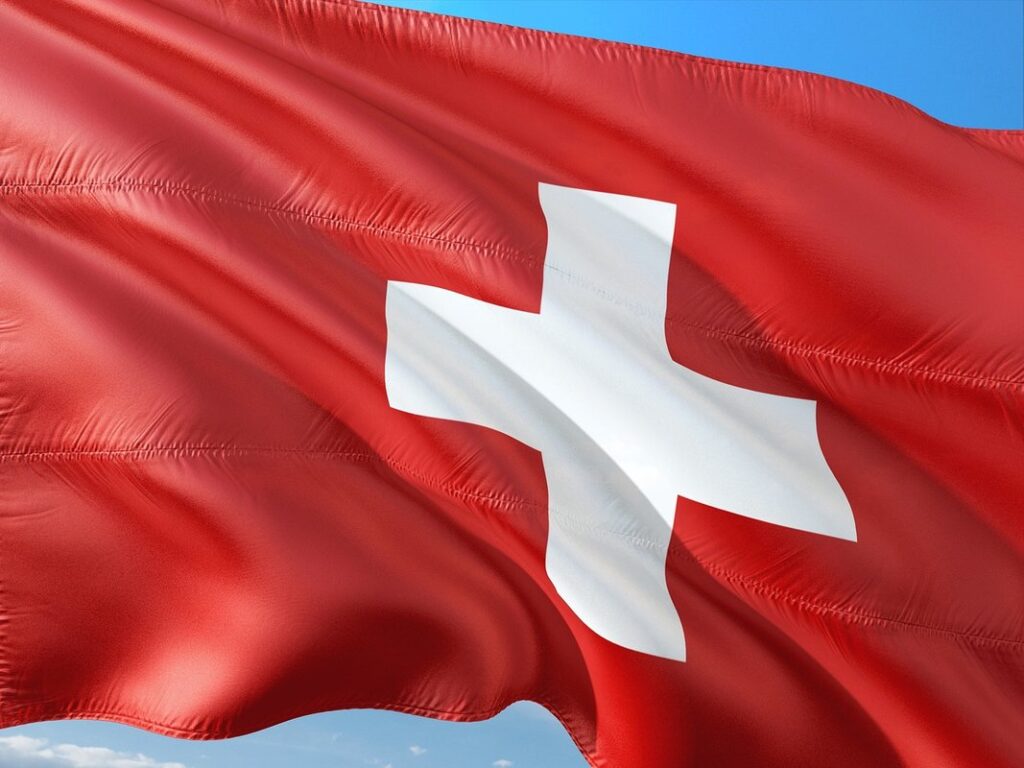
Overview of Languages in Zurich
Zurich is a multilingual city, where German is widely spoken, but you’ll also hear English and other languages being used by locals and tourists alike. In this section, we take a closer look at the languages you’re likely to encounter in Zurich.
Official Languages in Switzerland
Switzerland has four official languages: German, French, Italian, and Romansh. Although Zurich is predominantly associated with Swiss German, the city’s proximity to other linguistic regions means its residents are often familiar with multiple languages. This linguistic diversity reflects Switzerland’s federal structure, which grants significant autonomy to each canton in matters of language and culture.
German is the most widely spoken official language in Switzerland, and it’s also the primary language used in Zurich. However, many Zurichers speak French as a second language due to the city’s historical ties with the French-speaking regions of Switzerland. Italian is spoken by some residents, particularly those living near the Italian border. Romansh, on the other hand, is spoken primarily in the southeastern cantons and is not as widely spoken in Zurich.
It’s worth noting that while these four languages are official at the federal level, they’re not always used uniformly throughout the country. In practice, language use often depends on the specific region or community. For instance, some Zurichers may speak Swiss German at home but switch to Standard German when speaking with government officials or in formal situations.
Regional Variations in Zurich
Regional variations within Swiss German, spoken in different regions of Zurich, can significantly impact language use. In the north and east of Switzerland, the dialect is closer to Standard German, whereas in the south and west, it’s more distinct and less mutually intelligible with High German. This variation affects communication among locals, particularly when interacting with people from other areas.
In some parts of Zurich, you might encounter the Zurich Oberland dialect, which has a unique vocabulary and pronunciation compared to other Swiss German varieties. For instance, in this region, ‘Aabau’ is used instead of ‘Aufbau’, meaning ‘building up’. This variation can create regional identities and pride among locals but also presents challenges when it comes to understanding and communicating with people from other areas.
Practically speaking, knowledge of these variations can be beneficial for those living or working in Zurich. If you’re planning to move to a specific region, familiarizing yourself with the local dialect will help you navigate everyday conversations more smoothly. Even if you don’t plan on staying long-term, understanding regional differences can make your interactions with locals more enjoyable and rewarding.
The Dominant Language in Zurich: Alemannic (Swiss German)
Alemannic, also known as Swiss German, is widely spoken in and around Zurich. This regional dialect has its own distinct grammar and vocabulary.
In Alemannic-speaking areas of Switzerland, you may hear locals conversing with each other using a unique blend of sounds and words that differ significantly from standard German.
History of Swiss German in Zurich
Swiss German has a rich history in Zurich, dating back to the Old High German era. As the precursor to modern Swiss German, Old High German was spoken throughout the region from around the 8th to the 11th centuries. Over time, it evolved and diverged into distinct dialects, including the specific variant spoken in Zurich. The language’s development was influenced by its geographical location, with Zurich situated at the crossroads of various trade routes and cultural exchange networks.
In the Middle Ages, Swiss German became the dominant language in Zurich, used for everyday communication among the population. As the city grew in importance, Swiss German continued to play a central role in local culture and identity. Today, it remains an integral part of Zurich’s linguistic landscape, with many residents still speaking it as their primary language.
Swiss German in Zurich has also been shaped by its proximity to other languages, including Standard German, French, and Italian. This linguistic diversity has contributed to the unique characteristics of Swiss German spoken in the city. Despite these influences, however, Swiss German retains a distinct flavor and cultural significance in Zurich, reflecting the region’s history and heritage.
Characteristics of Swiss German
Swiss German has a distinct grammar and vocabulary that sets it apart from standard German. One notable feature is its use of the perfect tense to describe past actions that have a connection to the present, whereas standard German uses the simple past. For example, “Ich hätt’ gheisse” (I had been) in Swiss German corresponds to “Ich war” (I was) in standard German. Additionally, Swiss German employs a distinctive vocabulary, often borrowing words from other languages such as French and Italian.
Pronunciation is another key aspect of Swiss German. The language features a unique intonation pattern, where the pitch rises at the end of sentences, similar to Italian or Chinese. This can make it challenging for speakers of standard German or other languages to understand. Some characteristic sounds include the rolled “r” and diphthongized vowels, such as “ei” in “Bergen” (mountains). Understanding Swiss German pronunciation requires exposure to native speakers and listening to authentic materials.
In terms of vocabulary, Swiss German often employs loanwords from neighboring languages or regional dialects. For instance, the word for “hello” is “Grüezi” in Swiss German, whereas it’s simply “Hallo” in standard German. While this can create difficulties for outsiders, it also reflects the rich cultural heritage and linguistic diversity of the region.
English as a Business Language in Zurich
As you navigate Zurich’s business scene, you’ll find that English is widely spoken and used as a common language for communication among professionals. Many companies use it as their primary language of operation.
Importance of English in Zurich’s Economy
English has become an essential language for business and commerce in Zurich, particularly in industries like finance and technology. The city’s strong economy is driven by a highly skilled workforce and a favorable business environment, making it an attractive destination for international companies.
In the finance sector, English is widely used as a lingua franca to facilitate communication among investors, clients, and employees from diverse linguistic backgrounds. This has led to the creation of numerous financial institutions, including banks and asset management firms, that conduct their operations in English.
The technology industry also relies heavily on English to communicate with global partners, customers, and suppliers. Many startups and established companies in Zurich’s tech scene have adopted English as their primary language for business operations, product development, and marketing.
As a result, proficiency in English has become a key requirement for many job seekers in Zurich, particularly those entering the finance and technology sectors. To capitalize on these opportunities, individuals can consider taking courses or certification programs that focus on business English and industry-specific terminology.
Role of English in Tourism and Travel
English plays a vital role in tourism and travel in Zurich. While many locals speak Swiss German as their primary language, English is widely used in the service industry to cater to international visitors. Hotel staff, tour guides, and restaurant workers often speak fluent English, ensuring that tourists can navigate the city’s attractions and amenities with ease.
In fact, a significant portion of Zurich’s tourism infrastructure is designed with English-speaking visitors in mind. Many hotel signs, menus, and tourist information materials are bilingual or even trilingual (Swiss German, German, and English). This makes it easy for English speakers to get by without speaking any Swiss languages.
For tourists who don’t speak any Swiss languages, knowing basic phrases like “Grüezi” (hello) or “Danke” (thank you) can go a long way in showing respect for the local culture. However, with so many English speakers on hand, it’s generally not necessary to learn more than a few basic words and phrases to get by.
When booking accommodations or tours, look for providers that offer English-speaking staff or guides. This can make a big difference in your travel experience, especially if you’re traveling alone or without a Swiss language speaker in tow.
Recognized Minority Languages in Zurich
Zurich is home to a diverse range of languages, and one notable group is the recognized minority languages that are an integral part of the city’s linguistic tapestry. Let’s take a closer look at these lesser-known languages.
Language Communities in Zurich
Zurich is home to various minority language communities, including those who speak French and Italian. The city’s history as a hub for international trade and commerce has contributed to its linguistic diversity. Many residents are native speakers of Alemannic (Swiss German), but Zurich also has significant populations of French-speaking and Italian-speaking individuals.
Some 12% of the population speaks French as their first language, with many living in the city’s western districts such as Ausserschwyz and Oerlikon. These communities have maintained strong cultural ties to France and Belgium, where many of their ancestors originated. Residents often attend French-language churches, use French media outlets, and celebrate traditional festivals like Swiss National Day.
In contrast, Italian-speaking populations are mainly concentrated in the northern districts of Zurich North, such as Affoltern and Oerlikon. This community has its roots in the immigration of southern Italians to Switzerland during World War II. They have established their own cultural centers, restaurants serving Italian cuisine, and participate in events like Carnevale di Zurigo.
Efforts are being made by local authorities to support these minority language groups through education programs and government initiatives.
Support for Minority Languages in Education and Government
In addition to promoting language use through cultural events and education programs, the Canton of Zurich provides support for minority languages in education and government. The canton recognizes five official languages: German, French, Italian, Romansh, and English. While these languages are not as widely spoken as Swiss German, they have an important role in preserving linguistic diversity.
Students who speak minority languages at home can attend schools that cater to their language needs. For example, the Zurich school district offers bilingual programs for students who speak Italian or French as their primary language. These programs allow students to maintain their heritage language while learning standard German and other subjects.
In government institutions, minority languages are also recognized and accommodated. Citizens have the right to communicate with authorities in their native language, particularly when dealing with official documents or administrative procedures. For instance, forms can be filled out in Italian for those who prefer it.
Language Learning in Zurich: Resources and Opportunities
If you’re planning to move to or visit Zurich, Switzerland, here are some valuable resources that can help you learn the local language. From language courses to cultural events, we’ve got you covered.
Language Courses and Programs
Zurich offers a range of language courses and programs for learners of various proficiency levels and interests. The University of Zurich’s Language Center (SLC) provides German, French, Italian, English, and Spanish courses for university students and staff. Additionally, the Zurich University of Applied Sciences (ZHAW) offers language courses as part of its Continuing Education program.
Private language schools like Berlitz and Sprachinstitut München also have a presence in Zurich. These institutions offer group and individual lessons for adults and children, focusing on Swiss German, standard German, French, Italian, and English. Some popular language schools in the city include the Zurich Language School (ZLS) and the International House Zurich.
For those interested in learning Swiss German specifically, the Amt für Kulturelles Programm (AKP) offers courses and workshops throughout the year. These programs cater to beginners as well as advanced learners. Online platforms like Udemy and Coursera also offer a variety of language courses, including some focused on Swiss German.
It’s essential for learners to research each institution’s curriculum, teaching style, and cost before enrolling in a course. Many language schools in Zurich offer trial lessons or introductory sessions, allowing prospective students to gauge the quality of instruction and adjust their learning plans accordingly.
Cultural Events and Exchanges Promoting Language Use
Zurich offers a range of cultural events and exchanges that promote language use among residents and visitors. The city’s annual Literature Festival features readings and discussions in various languages, including Swiss German, English, French, Italian, and Romansh. The festival also hosts workshops on translation and literary criticism, which help to foster linguistic diversity.
The Zurich Language Exchange is a popular platform for language learners to practice their skills with native speakers. Members can attend regular meetups, participate in online forums, or engage in one-on-one conversations. This initiative promotes intercultural understanding and language proficiency among participants.
Other events, such as the International Book Fair and the Multilingual Festival, celebrate linguistic diversity and showcase the city’s multilingual heritage. These festivals often feature live performances, music, and art exhibitions that reflect the many languages spoken in Zurich.
Additionally, some local organizations offer language exchange programs for refugees or migrant communities to learn Swiss German, English, or other languages.
Challenges and Controversies Surrounding Language Use in Zurich
While Zurich is known for its multilingual population, not all language use is without controversy. Some common debates surround language accessibility and diversity.
Tensions Between Official Languages and Regional Variations
The coexistence of official languages and regional variations creates tensions in Zurich. German is an official language at the federal level, while Alemannic (Swiss German) is widely spoken in Zurich. However, some residents and organizations advocate for more prominent recognition of Swiss German as a unique dialect within Switzerland’s linguistic landscape.
Language education plays a significant role in these tensions. Some argue that schools should prioritize teaching standard German to promote national unity and facilitate communication among language speakers across the country. Others contend that regional variations like Alemannic deserve equal attention, allowing students to connect with their local heritage. This debate highlights the importance of balancing linguistic homogenization with cultural diversity.
In government services, Zurich’s administration also grapples with these tensions. While standard German is used in official documents and communication, some argue for greater use of Swiss German or other regional languages to better serve the city’s diverse population. As a result, language policies often aim to strike a balance between promoting national unity through standardized language use and respecting local linguistic traditions.
Impact of Globalization on Language Use in Zurich
Globalization has had a profound impact on language use in Zurich. The influx of international businesses and professionals has created a multilingual environment where English is increasingly used as a lingua franca. However, this shift has also led to concerns about the erosion of Swiss German, the dominant regional dialect.
Many multinational companies have established operations in Zurich, bringing with them English-speaking employees from around the world. While this has fostered greater communication and collaboration, it has also contributed to the decline of Swiss German as a spoken language in professional settings. According to some estimates, up to 70% of business meetings in Zurich are conducted in English.
This trend is particularly evident in industries such as finance and technology, where English is often seen as a necessary skill for international cooperation and competition. As a result, many locals feel pressure to learn English to remain competitive in the job market. However, this raises questions about the long-term preservation of Swiss German and its place within the city’s linguistic landscape.
Frequently Asked Questions
Can I use English as my primary language in everyday life in Zurich?
Yes, English is widely spoken and used in many aspects of daily life in Zurich, particularly among business professionals and younger generations. However, learning some basic German or Swiss German can still be beneficial for navigating local culture and interacting with older residents.
How do I know which dialect to learn: Alemannic (Swiss German), Standard German, or something else?
The choice of dialect depends on your specific goals and the region you’ll be living in. If you plan to work or socialize primarily in Zurich, learning Alemannic (Swiss German) is a good starting point. However, if you need to interact with government officials or read official documents, Standard German may be more necessary.
Can I take advantage of language courses and resources for Swiss German?
Yes, many institutions offer courses and programs specifically designed to teach Swiss German, including the University of Zurich’s Language Center and private language schools like Berlitz. Some also offer online courses and tutorials for those with limited time or preferences.
What if I’m already fluent in one of Switzerland’s official languages (e.g., French or Italian), but want to learn Alemannic (Swiss German) for local flavor?
You can definitely take up Swiss German as a secondary language. Many locals are proud of their dialect and appreciate the effort to learn it, even if you’re already proficient in another official language. You may find resources specifically catering to learners with prior language proficiency.
What about language support for minority languages like Romansh or English?
While minority languages have limited official recognition in Zurich, there are still some initiatives and organizations that promote their use and provide language support. The Zurich-based organization ‘Languages without Borders’ offers language classes and cultural events focused on promoting diversity and multilingualism.

