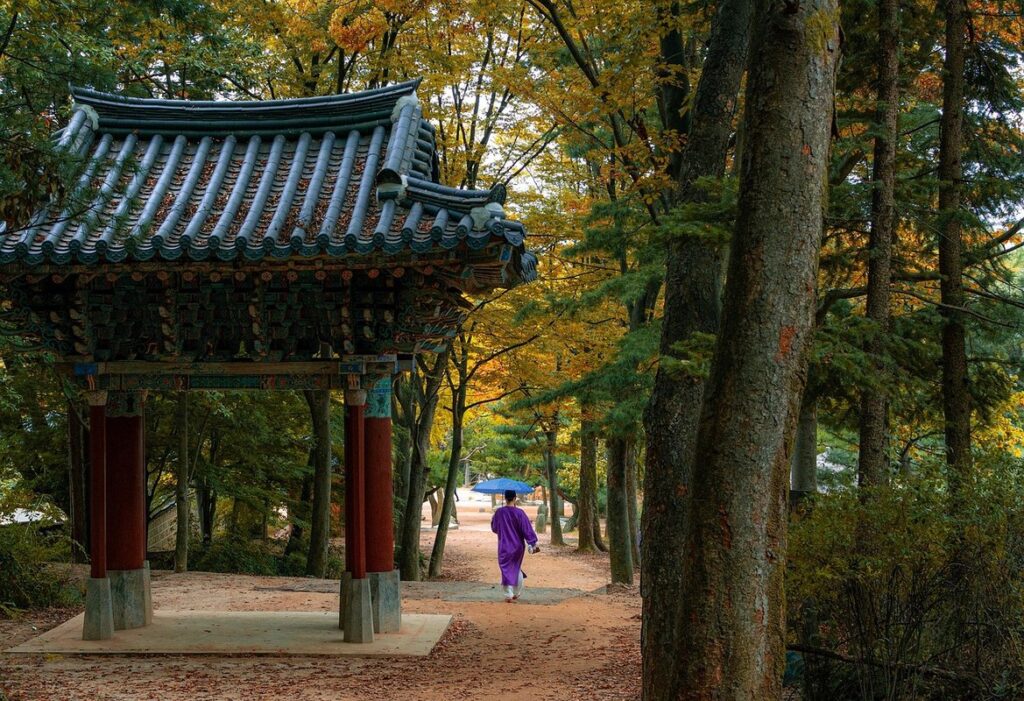
Imagine walking through a charming countryside village surrounded by traditional Korean architecture, listening to the sounds of artisans crafting handmade pottery and metalwork. The Korean Folk Village is an immersive experience that transports visitors back in time to discover the country’s rich cultural heritage. Here, you can witness authentic performances of traditional music and dance, marvel at intricate crafts, and indulge in local specialties like kimchi and bibimbap. By exploring this living museum, you gain a deeper understanding of Korea’s history and legacy. In this article, we’ll take a closer look at the Korean Folk Village, highlighting its unique features, attractions, and cultural significance. By the end, you’ll have a better appreciation for the country’s traditional culture and be able to understand what makes it such an important part of Korean identity.
Understanding the Significance of Korean Folk Village
Korean Folk Village is a treasure trove of history and culture, but have you ever wondered what makes it so significant? Let’s explore its importance in preserving Korea’s cultural heritage.
Introduction to Korean Culture and Traditions
Korean culture and traditions are deeply intertwined with the concept of hanok villages like Korean Folk Village. These traditional villages serve as living museums, showcasing the country’s rich heritage and cultural identity. In Korea, cultural heritage is not just a relic of the past but an integral part of everyday life.
The importance of preserving and promoting cultural heritage in Korea cannot be overstated. It is deeply ingrained in the Korean psyche, with many considering it essential to their national identity. Traditional villages like Korean Folk Village play a crucial role in this endeavor by providing a glimpse into Korea’s past and present.
At Korean Folk Village, visitors can explore traditional hanok houses, witness artisans at work, and experience various cultural performances. These immersive experiences allow visitors to connect with the country’s history and traditions on a deeper level. By engaging with Korean culture, visitors can gain a more nuanced understanding of the country’s values and customs.
In Korea, cultural heritage is not just about preserving historical artifacts; it’s also about keeping traditional practices and skills alive. This approach ensures that future generations continue to appreciate and respect their cultural roots.
History and Purpose of Establishing the Village
The Korean Folk Village was established in 1974 by a group of entrepreneurs and cultural enthusiasts who aimed to preserve and showcase Korea’s rich cultural heritage. The village is situated on a 200,000-square-meter site near Suwon, Gyeonggi Province, about an hour south of Seoul. Its original purpose was to recreate traditional Korean villages from the Joseon Dynasty era (1392-1910), providing visitors with an immersive experience of rural life during that time.
The village is divided into several sections, including a farming area, a craftsman’s quarter, and a residential district. Each section features authentic, handmade artifacts and architecture, such as thatched roof houses, traditional Korean temples, and folk art galleries. Over the years, the village has undergone significant changes and expansions to incorporate new exhibits and performances. Today, it is one of Korea’s most popular cultural attractions, welcoming over 3 million visitors annually.
The village’s founders were inspired by the country’s rapidly modernizing landscape, which was eroding traditional ways of life. By creating a living museum, they aimed to preserve and promote Korea’s unique culture for future generations. This vision has led to the creation of numerous educational programs, cultural events, and community outreach initiatives that continue to evolve and grow in scope.
Immersing Yourself in Traditional Korean Life
As you wander through Korea’s Folk Village, immerse yourself in the sights and sounds of traditional village life, where ancient customs still thrive today. Discover how to truly experience this unique culture firsthand.
Architecture and Design of Traditional Korean Houses
Traditional Korean houses are a testament to the country’s rich cultural heritage. One of the most striking features is the use of natural materials such as wood, paper, and tile. The exterior walls are often made of clay or wood, while the roofs are typically tiled with ceramic tiles. The layout of traditional Korean homes is also distinct, with a central courtyard surrounded by rooms.
The interior design features an abundance of decorative elements, including intricate carvings, paintings, and embroidered fabrics. Traditional Korean architecture emphasizes harmony between nature and human-made structures. For example, the use of natural light and ventilation is encouraged through large windows and sliding doors that open onto courtyards or gardens.
Some key design elements to look out for include the “ondol” heating system, where hot air circulates under the floorboards, and the “hanok” style, characterized by a raised floor and traditional Korean furnishings. When exploring the Korean Folk Village, take note of these distinctive architectural features that reflect Korea’s unique cultural traditions.
Traditional Crafts and Trades Demonstrated at the Village
As you wander through the village, you’ll have the opportunity to witness and even participate in traditional crafts and trades that have been passed down through generations. The village is home to skilled artisans who practice their crafts with precision and dedication. You can watch as they shape clay into beautiful ceramics, hammer away at hot metal to create intricate designs, or carefully carve wooden pieces that will become functional items.
Pottery-making is a particularly popular craft among visitors, and for good reason – the process of creating something from raw clay is both mesmerizing and therapeutic. Metalworking is another highly skilled trade that’s on display, with artisans crafting everything from delicate jewelry to sturdy tools. Woodworking is also showcased, with craftsmen creating beautiful wooden furniture and decorations.
One of the unique aspects of the village is its focus on preserving traditional techniques while still allowing visitors to engage with the craftspeople. You can ask questions, learn about the different processes involved, and even try your hand at making something yourself. The village also offers demonstrations and workshops where you can get hands-on experience and take home a souvenir that’s truly one-of-a-kind.
Experiencing Korea’s Rich Cultural Heritage through Performances and Events
As you wander through Korean Folk Village, immerse yourself in traditional performances that bring history to life, from vibrant folk dances to enchanting musical acts. These shows are an essential part of the village’s cultural experience.
Traditional Music and Dance Performances
At Korean Folk Village, you can experience the rich cultural heritage of Korea through traditional music and dance performances. These performances are an integral part of Korea’s cultural identity and have been passed down for generations. One of the most iconic traditional dances is the ‘Noraebang,’ a form of storytelling through song and dance that dates back to the 19th century.
You can also watch the ‘Bulgyeo-je’ performance, which showcases traditional folk music played on instruments such as the gayageum, geomungo, and daegeum. The performers wear traditional costumes and put on a lively show, complete with intricate footwork and hand gestures. To fully appreciate these performances, try to attend during peak season when the village is bustling with activity.
Some notable events include the annual ‘Folk Music Festival’ and the ‘Traditional Dance Festival.’ Be sure to check the village’s schedule for specific dates and times. By immersing yourself in these traditional music and dance performances, you’ll gain a deeper understanding of Korea’s cultural heritage and leave with unforgettable memories.
Seasonal Festivals and Celebrations Held at the Village
The Korean Folk Village is a hub of vibrant cultural expression, with various festivals and celebrations held throughout the year. One of the most iconic events is the Cherry Blossom Festival, which takes place in spring. During this time, visitors can witness traditional tea ceremonies, watch artisans create intricate hanji (Korean paper) crafts, and enjoy live performances of traditional music and dance.
Summer brings the vibrant atmosphere of the Village’s Mid-Autumn Festival, where you can sample traditional Korean sweets and try your hand at making mooncakes. The festival also features a stunning display of lanterns, which are a symbol of good fortune in Korean culture. In autumn, the Harvest Festival celebrates the bounty of Korea’s countryside with music, dance, and traditional games.
In winter, the Village hosts the Seollal Lunar New Year celebrations, where visitors can participate in traditional activities such as making tteokguk (rice cake soup) and playing yut nori (a traditional board game). Each festival offers a unique glimpse into Korea’s rich cultural heritage, with its own distinct traditions and customs. By attending these events, you’ll gain a deeper understanding of the country’s history and values.
Discovering Traditional Korean Cuisine and Drinks
As you wander through Korea’s Folk Village, let’s explore some of the local flavors that’ll transport you to a bygone era. From traditional dishes to unique drinks, we’re about to dig into the heart of Korean cuisine.
Sampling Local Specialties and Delicacies
At Korean Folk Village, you can sample a variety of traditional Korean dishes and drinks that showcase the country’s rich culinary heritage. One must-try is kimchi stew, known as “kimchi jjigae,” made with fermented kimchi, pork, tofu, and gochugaru (Korean red pepper flakes). This spicy stew is not only delicious but also has cultural significance, as it was a staple food for peasants during the Joseon era.
Another popular dish is “naengmyeon,” cold buckwheat noodles served with a sweet and savory sauce. This refreshing summer dish originated in Hamgyeong Province and is typically made with buckwheat flour, salt, and sesame oil. You can also try “ppang,” a sweet, crispy bread that’s perfect for snacking.
Beverages like “makgeolli” (traditional rice wine) and “yuja cha” (citrus tea) are also available for sampling. Makgeolli is made from fermented rice and has a milky texture, while yuja cha is made with citrus peels and has a soothing, citrusy flavor. Be sure to try these drinks with traditional Korean side dishes like “tteokbokki” (rice cakes in spicy sauce) or “bindaetteok” (mung bean pancakes).
Cooking Demonstrations and Workshops
At the Korean Folk Village, visitors can participate in hands-on cooking demonstrations and workshops, where they can learn traditional Korean cooking techniques and recipes. These sessions are typically held at the village’s outdoor kitchen or within the recreated traditional houses, providing a unique opportunity to immerse oneself in Korea’s culinary culture.
The village offers a range of cooking classes, from basic techniques such as making kimchi and doenjang (Korean fermented soybean paste) to more complex recipes like bibimbap and bulgogi. Visitors can choose from morning or afternoon sessions, depending on their schedule and interests. Many workshops also focus on specific themes, such as Korean desserts or specialty teas.
Some popular cooking demonstrations include traditional Korean-style barbecues using outdoor grills, as well as hands-on classes where visitors can learn to make traditional Korean breads and pastries. Visitors are encouraged to participate actively in the cooking process, under the guidance of experienced chefs and instructors who share their expertise and passion for Korean cuisine.
For those looking to take their culinary skills further, the village also offers special workshops and masterclasses led by renowned Korean chefs and food experts. These classes often focus on specific techniques or ingredients and provide a deeper understanding of traditional Korean cooking methods.
Behind the Scenes: The People and Organizations That Make the Village Thrive
Meet the passionate individuals who dedicate their time to preserving Korea’s rich cultural heritage, from skilled artisans to dedicated historians. Their tireless efforts bring the past to life at Korean Folk Village.
Meet the Artisans and Craftspeople Who Call the Village Home
The village is home to a diverse group of artisans and craftspeople who bring their unique skills and traditions to life. Among them are master woodcarvers like Kim Sang-ho, whose intricate designs adorn the temple roofs and fences throughout the village. Then there’s Lee Hye-kyung, a skilled weaver who creates vibrant hanbok fabrics using traditional techniques passed down through generations.
Another notable artisan is Park Jong-bum, a potter renowned for his stunning ceramic pieces that blend modern style with ancient methods. His studio is a must-visit, where visitors can watch him work the clay and even try their hand at shaping a piece themselves. Collaborations between artisans like these and local communities have led to the development of new products and exhibitions that showcase the village’s rich cultural heritage.
Some artisans also offer workshops and classes for visitors to learn traditional crafts, such as woodblock printing or hanji-making (traditional Korean paper crafting). These interactive sessions provide a unique opportunity to engage with the artisans and gain a deeper understanding of their techniques. By supporting these talented individuals and their work, you’re contributing directly to the preservation of Korea’s cultural heritage.
Collaborations with Local Communities and Organizations
The village engages in collaborative efforts with local communities and organizations to preserve traditional culture and promote cultural exchange. Partnerships with nearby museums and cultural centers allow for joint exhibitions and programs that showcase Korean heritage. For instance, the village co-hosted a joint festival with a neighboring museum to celebrate the annual harvest season.
These collaborations also enable the village to tap into community resources and expertise. Local artisans are invited to share their skills through workshops and demonstrations, providing visitors with an authentic experience of traditional crafts. In turn, the village offers its facilities and knowledge to host local events and activities, fostering a sense of community and cultural cohesion.
To facilitate exchange between the village and local communities, regular outreach programs are conducted to engage residents in cultural preservation efforts. These initiatives encourage community members to share their own stories and traditions, enriching the village’s offerings and promoting cross-cultural understanding. By working together with local partners, the village ensures that its mission of preserving Korean culture remains relevant and inclusive.
Planning Your Visit: Tips and Essentials for a Memorable Experience
To make the most of your visit, let’s start with some essential planning tips to ensure you don’t miss out on the village’s hidden gems. From getting there to navigating its vast grounds.
Practical Information on Getting to the Village and Staying There
To get to the Korean Folk Village, you can take a bus from nearby cities such as Seoul or Yongin. The most convenient option is to take the express bus, which takes approximately 1 hour and 15 minutes from Seoul’s Nambu Bus Terminal. You can also take a local train from Yongsan Station in Seoul, followed by a short taxi ride or a 10-minute walk.
Once you arrive at the village, there are various accommodation options to suit different budgets and preferences. You can choose to stay in one of the on-site guesthouses, which offer traditional Korean-style rooms with shared facilities. Alternatively, there are also several nearby hotels and motels that offer more modern amenities.
For those who prefer to stay within the village, consider booking a room at one of the traditional hanok guesthouses. These offer a unique opportunity to experience authentic Korean hospitality and immerse yourself in the village’s cultural atmosphere. Be sure to book your accommodation in advance, especially during peak season or for special events.
Insider Tips for Making the Most of Your Visit
When visiting Korean Folk Village, experienced visitors recommend prioritizing the traditional craftsmen’s workshops, where artisans demonstrate and sell their wares. The wooden mask-making workshop is a must-see, as it showcases the intricate craftsmanship that goes into creating these iconic masks. You can also witness blacksmithing demonstrations at the village’s central square, where the fiery spectacle of hot metal being shaped into tools or decorative items is both mesmerizing and educational.
Insider tip: Visit during weekdays for smaller crowds, allowing you to fully immerse yourself in the sights and sounds without feeling rushed. Another insider recommendation is to arrive early to secure a spot at the traditional Korean tea ceremony, held daily at 11 am. Be sure to try some of the local specialties at the village’s cafes and restaurants, which offer authentic flavors and ingredients that are often hard to find elsewhere.
When walking through the village, keep an eye out for the smaller, lesser-known attractions that add depth and nuance to your experience. These might include a traditional Korean paper-making studio or a small museum showcasing folk art from across Korea. By taking the time to explore these hidden gems, you’ll gain a deeper understanding of Korean culture and leave with memories that will last long after your visit is over.
Frequently Asked Questions
Can I bring food and drinks into the village?
Yes, you can bring your own food and drinks, but be aware that there may be restrictions on certain items due to health and safety regulations. It’s always best to check with the village staff or website beforehand to confirm their policies.
What if I want to learn a specific craft or trade, but it’s not being demonstrated at the time of my visit?
The village offers various workshops and classes throughout the year, which might be a good opportunity to learn a specific craft. You can also check with the village staff about private lessons or one-on-one instruction with artisans. Additionally, you may want to consider visiting during a festival or special event that focuses on your desired craft.
How do I support the local community and artisans who call the village home?
One way to show your appreciation is by purchasing handmade crafts and goods from the village shops or directly from the artisans themselves. You can also participate in cooking classes or workshops, which not only provide a unique experience but also help support the local economy.
Can I stay overnight at the village, and what are my accommodation options?
Yes, there are various accommodation options available within the village, ranging from traditional guesthouses to modern hotels. Be sure to book in advance, especially during peak season or for special events. You can check with the village website or contact their customer service department for more information.
What if I have a disability or require special assistance during my visit?
The village is committed to providing an inclusive and accessible experience for all visitors. They offer wheelchair accessibility and accommodations for guests with disabilities. It’s recommended to contact the village in advance to discuss your specific needs and make necessary arrangements.