Lebanese cuisine is more than just a reflection of its rich history, it’s an integral part of the country’s identity. The country’s strategic location has influenced its food culture, blending Mediterranean, Arab, and French flavors in a unique way. Traditional Lebanese sweets like baklava and knafeh are iconic examples of this fusion, with intricate pastry designs and sweet fillings that have become synonymous with Middle Eastern hospitality. But beyond the sweets, Lebanese cuisine also boasts a wide range of savory dishes, from shawarma to kibbeh, each telling a story about the country’s cultural heritage and its people’s love for good food. In this article, we’ll explore the history and significance of Lebanese cuisine, as well as modern twists on classic recipes that are sure to tantalize your taste buds. By the time you finish reading, you’ll have a deeper understanding of what makes Lebanese food so special and be inspired to try some new dishes in your own kitchen.
History and Cultural Significance
Lebanon’s rich history has profoundly influenced its cuisine, with traditional dishes often reflecting the country’s complex cultural heritage. Let’s take a closer look at how historical events shaped the flavors of Lebanese cooking.
The Influence of Middle Eastern Cuisine on Lebanese Food
Lebanese cuisine is not an isolated entity, but rather a rich tapestry woven from the culinary traditions of its neighboring Middle Eastern countries. The influence of these cultures can be seen in the use of similar ingredients, cooking techniques, and dishes that are common throughout the region. For example, the prevalence of kebabs, falafel, and shawarma in Lebanese cuisine is a direct result of the country’s historical trade routes with Turkey, Syria, and Jordan.
The Ottoman Empire’s expansion into the Middle East also had a significant impact on Lebanese cuisine. As Turkish and Arabic cuisines merged, new dishes emerged that combined the bold flavors of both cultures. The use of spices such as cumin, coriander, and sumac is another example of this cultural exchange. These ingredients are not only staples in Lebanese cooking but are also used extensively in other Middle Eastern countries.
Understanding the historical context of Lebanese cuisine can help home cooks appreciate the diversity and richness of its flavors. By experimenting with new ingredients and techniques, you can add depth and authenticity to your traditional dishes. For instance, try using Turkish-style spices or Syrian-style flatbreads to give your shawarma a unique twist.
Traditional Lebanese Dishes and Their Origins
Lebanese cuisine is shaped by its rich cultural heritage and geographical position. The country’s history has been influenced by various empires, including the Ottoman and French, which have left a lasting impact on its culinary traditions. One of the most iconic dishes that reflect this cultural exchange is kibbeh, a mixture of ground meat and bulgur that is often served raw or cooked.
Another classic Lebanese dish is shawarma, a popular street food that originated in Turkey as doner kebab. Over time, Lebanese cooks adapted the recipe to use thinly sliced lamb or chicken, which is then stacked on a vertical spit and served in a pita with vegetables and tahini sauce. The combination of flavors and textures in shawarma is quintessentially Lebanese.
Other traditional dishes like tabbouleh, a salad made from parsley, tomatoes, mint, and bulgur, and fatayer, a savory pastry filled with meat or cheese, also reflect the country’s cultural heritage. These dishes are not only delicious but also deeply rooted in Lebanon’s history and geography, making them an integral part of its culinary identity.
Key Ingredients in Lebanese Cuisine
Lebanese cuisine is all about balance and harmony, achieved through a delicate combination of fresh herbs, aromatic spices, and fragrant ingredients like olive oil and lemon juice. Let’s take a closer look at some of these essential elements that make Lebanese food so unique.
The Importance of Fresh Produce and Herbs
In traditional Lebanese cooking, fresh produce and fragrant herbs play a vital role in bringing dishes to life. The country’s Mediterranean climate allows for an abundance of fresh fruits and vegetables throughout the year, which are often used in salads, stews, and side dishes. Herbs like mint, parsley, and thyme add depth and complexity to various Lebanese recipes.
When it comes to incorporating fresh produce into your cooking, consider using seasonal ingredients to ensure optimal flavor and texture. For example, tomatoes are a staple in Lebanese cuisine during the summer months, while artichokes are more common during the spring. Be sure to use a variety of colors on your plate to add visual appeal to your dishes.
Some essential herbs to have in your pantry include mint, parsley, and thyme. Mint is commonly used in salads like tabbouleh, while parsley adds freshness to mezze platters. Thyme is often paired with olive oil and lemon juice for a simple but flavorful marinade. To get the most out of your fresh produce and herbs, be sure to store them properly – keep them dry and away from direct sunlight to preserve their flavor and aroma.
Olive Oil: A Staple Ingredient in Lebanese Cuisine
Olive oil is a fundamental component of Lebanese cuisine, playing a crucial role in both flavor and nutrition. In traditional Lebanese cooking, olive oil is often used as a finishing touch to bring out the flavors of other ingredients, but it’s also used liberally throughout the cooking process.
The health benefits of olive oil are well-documented, with high levels of monounsaturated fats that help lower cholesterol and reduce inflammation. However, in Lebanese cuisine, its significance goes beyond mere nutrition – it’s deeply rooted in cultural tradition. For many Lebanese families, olive oil is a staple ingredient passed down through generations, often sourced from family-owned olive groves or local suppliers.
When cooking with olive oil, it’s essential to note that the quality of the oil greatly impacts the final dish. Look for cold-pressed, extra-virgin oils that have been extracted using traditional methods. Avoid overusing olive oil, as its distinct flavor can overpower other ingredients; instead, use it judiciously to add depth and richness to your dishes. By incorporating high-quality olive oil into your Lebanese cooking repertoire, you’ll be able to create authentic, flavorful dishes that honor the country’s culinary heritage.
Main Course Dishes in Lebanese Cuisine
A trip to Lebanon isn’t complete without trying some of its signature main courses, such as shawarma and kebbeh bil sanieh. These dishes showcase the country’s rich culinary heritage perfectly.
Kibbeh and Its Variations
Kibbeh is a staple dish in Lebanese cuisine, consisting of ground meat and bulgur. The traditional recipe typically calls for a combination of beef and spices, but variations abound. In some regions, kibbeh may be made with lamb or even fish. The most well-known preparation method involves shaping the mixture into small balls or patties, which are then deep-fried until crispy.
In northern Lebanon, kibbeh bil sanieh is a specialty, where the meat and bulgur mixture is wrapped in grape leaves. This adds a tangy flavor and tender texture to the dish. In contrast, kibbeh bel sayad is a Beirut-style variation, featuring a lighter coating of breadcrumbs instead of deep-frying.
When preparing kibbeh at home, it’s essential to choose high-quality bulgur that can absorb the flavors of the meat and spices. Experiment with different spice blends, such as cumin or allspice, to add depth to your kibbeh recipe. You can also try using leaner meats, like chicken or turkey, for a healthier twist on this traditional dish.
Some Lebanese households prefer their kibbeh raw, similar to a Middle Eastern version of a meatball. This method allows the flavors to shine through without cooking, making it an excellent option for a light meal or appetizer.
Shawarma and Other Popular Street Foods
Shawarma and other street foods like falafel and manakish are staples of modern Lebanese cuisine. These dishes have become a ubiquitous part of daily life in Lebanon, with vendors and restaurants serving up piping hot portions to hungry locals and tourists alike.
Falafel, a crispy, flavorful ball made from chickpeas, is often served in a pita bread with lettuce, tomatoes, and tahini sauce. It’s a popular choice for breakfast or as a quick snack on the go. Manakish, on the other hand, is a type of flatbread topped with olive oil, za’atar (a Middle Eastern herb mix), and sometimes cheese or meat.
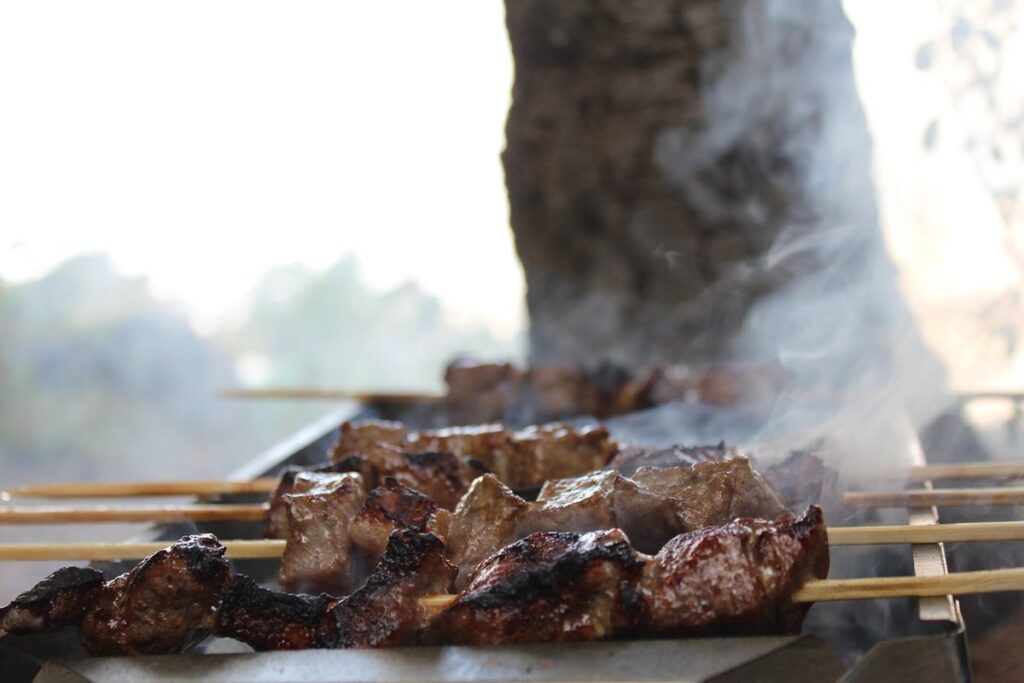
Shawarma, perhaps Lebanon’s most famous street food, consists of thinly sliced meat (usually lamb or chicken) served in a warm pita with vegetables and tahini sauce. It’s often grilled to perfection on a vertical spit, filling the air with the scent of sizzling meat and spices.
To try these dishes like a local, look for vendors who use fresh ingredients and traditional cooking methods. Some popular places to try shawarma include the streets of Beirut’s Hamra neighborhood or the souks (markets) in Tripoli.
Traditional Sweets and Desserts
When it comes to Lebanese cuisine, traditional sweets and desserts are a highlight of any meal. From rich baklava to creamy knafeh, these sweet treats showcase the country’s love for aromatic spices and delicate pastries.
Baklava: A Classic Middle Eastern Pastry
Baklava is a classic Middle Eastern pastry that has been a staple in Lebanese cuisine for centuries. Its origins date back to ancient Mesopotamia, where it was made with honey and nuts. Over time, the recipe spread throughout the Middle East, with each country putting its own twist on the traditional dish.
To make baklava, layers of phyllo dough are stacked on top of one another, separated by a mixture of chopped nuts, usually walnuts or pistachios. The pastry is then drizzled with honey and often topped with a sprinkle of cinnamon. The combination of crispy phyllo, sweet honey, and crunchy nuts creates a unique flavor profile that is both familiar and exotic.
In Lebanon, baklava is often served at special occasions such as weddings and holidays. It’s also commonly found in bakeries and cafes throughout the country. To make baklava at home, it’s essential to have high-quality phyllo dough and to handle it gently to avoid tearing the layers. A small amount of rose water or orange blossom water can be added to the honey for extra flavor.
Ma’amoul: Shortbread-Like Cookies Filled with Dates or Nuts
Ma’amoul is a beloved traditional Lebanese cookie that combines the richness of shortbread-like dough with the natural sweetness of dates or nuts. These delicate cookies are typically made during special occasions and holidays, such as Easter and Christmas. The dough is carefully prepared to achieve a tender crumb, which provides a perfect contrast to the dense filling.
Traditionally, ma’amoul fillings are made from dates that have been soaked in rose water and orange blossom water, giving them an aromatic flavor. Some recipes also include chopped nuts like pistachios or almonds for added texture and depth. The cookies are often shaped into small balls or domes, which are then pressed with a decorative mold to create intricate patterns.
When making ma’amoul at home, it’s essential to use the right type of flour, typically all-purpose flour or a combination of all-purpose and semolina flour. This will help achieve the cookie’s characteristic tenderness. Additionally, be sure to handle the dough gently to avoid developing the gluten, which can make the cookies tough. With practice and patience, you’ll be able to create ma’amoul that’s as delicious as it is beautiful.
Beverages and Drinks in Lebanese Culture
From sweet mint tea to refreshing lemonade, traditional beverages play a vital role in Lebanese social gatherings and daily life. Let’s explore some of the most popular drinks that are deeply ingrained in the country’s culture.
Ahweh (Arabic Coffee): A Time-Honored Tradition
In Lebanese culture, Ahweh (Arabic Coffee) is a revered tradition that plays a significant role in social gatherings and hospitality. Preparing Ahweh is an art form that requires precision and attention to detail. The traditional method involves grinding the finest coffee beans by hand using a stone grinder, then brewing it in a small pot called an ibrik or cezve. This labor-intensive process yields a rich, thick coffee that’s often served in small cups.
The social significance of Ahweh lies in its ability to bring people together. In Lebanese culture, serving Ahweh is a sign of respect and generosity towards guests. It’s customary for the host to serve the first cup, which is considered a privilege reserved for honored guests or special occasions. When sharing Ahweh, it’s common for friends and family to linger over conversation, enjoying each other’s company as much as the coffee itself.
To experience the authentic tradition of Ahweh, consider hosting your own gathering with friends and family. Invite your loved ones into your home, prepare a pot of Ahweh using traditional methods, and savor the warmth and hospitality that comes with sharing this time-honored tradition.
Arak: An Anise-Flavored Spirit Popular in Lebanon
Arak is a strong anise-flavored spirit that plays a significant role in Lebanese culture and cuisine. Made from grapes, arak is distilled to produce a clear liquid with a distinctive licorice flavor. Traditionally, it’s served as an aperitif or digestif, often mixed with water and ice to dilute its potency.
When consumed with food, arak is typically used to enhance the flavors of dishes like kebabs, grilled meats, and stews. In some cases, it may be added directly to recipes for marinades or sauces, although this approach requires caution due to arak’s potent flavor.
To use arak effectively in cooking, consider starting with small amounts (about 1-2 tablespoons per serving) and adjusting to taste. This will allow you to balance the flavors of your dish without overpowering them. Additionally, be aware that some people may experience adverse reactions to anise or arak due to its high thujone content.
In Lebanon, it’s common for arak to be served in social settings, such as family gatherings and celebrations. However, consumption should always be done responsibly, especially when combining with other substances.
Modern Twists on Traditional Lebanese Cuisine
As we continue to explore the rich flavors of Lebanon, let’s take a closer look at how modern chefs are creatively reinventing classic dishes. From innovative uses of traditional ingredients to bold new flavor combinations.
Fusion Dishes and International Influences
Modern chefs are pushing the boundaries of traditional Lebanese cuisine by incorporating international flavors and ingredients. This fusion approach has given rise to unique dishes like shawarma tacos, which pair the classic Middle Eastern sandwich with Mexican flavors and textures. In addition, modern Lebanese chefs are experimenting with global spices and seasonings, such as Korean chili flakes and Indian garam masala, to add depth and complexity to traditional recipes.
Some examples of fusion dishes can be seen in the use of international ingredients like truffles, foie gras, and wagyu beef in high-end Lebanese restaurants. These luxury ingredients are often paired with classic Lebanese flavors like sumac and pomegranate molasses to create a sophisticated and modern take on traditional dishes.
When experimenting with fusion flavors, it’s essential to balance bold new ingredients with the core elements of traditional Lebanese cuisine. A good starting point is to incorporate international spices and seasonings into familiar recipes, rather than completely overhauling them. For instance, adding Korean chili flakes to kibbeh or using Indian garam masala in shawarma spice blends can add a new layer of flavor without straying too far from traditional flavors.
Regional Variations and Specialties
Lebanon’s culinary landscape is characterized by regional variations and specialties. In the north, particularly in Tripoli and Akkar, you’ll find a distinct influence from the Mediterranean diet. This is reflected in dishes such as kibbeh bil sanieh, a traditional pastry filled with spiced meat and onions. In contrast, the southern region of Nabatieh is known for its rich use of sumac and olive oil.
In Mount Lebanon, particularly in the Beqaa Valley, the cuisine tends to be heartier due to the region’s cooler climate. Here, you’ll often find dishes such as makdous, stuffed eggplant with walnuts and garlic, and shish taouk, skewers of marinated chicken. The coastal cities of Beirut and Sidon also have their own unique flavor profiles, shaped by their proximity to the sea.
To experience these regional specialties, look for local eateries and restaurants that serve authentic dishes from specific regions. You can also experiment with different ingredients and flavor combinations at home to create your own variations on classic Lebanese recipes. For example, try adding a squeeze of fresh lemon juice or a sprinkle of sumac to give your kibbeh a burst of citrusy flavor.
Cooking Techniques and Tips for Home Chefs
Mastering traditional Lebanese cooking techniques is essential to recreating authentic flavors at home, where we’ll share expert tips on achieving tender meats and perfectly balanced dishes.
Essential Tools and Equipment for Preparing Lebanese Dishes
Preparing traditional Lebanese dishes requires specific tools and equipment to ensure authenticity and flavor. You’ll need a good supply of sharp knives for chopping fresh herbs like parsley, mint, and cilantro. A mortar and pestle is essential for making tahini sauce and hummus, allowing you to grind chickpeas into a smooth paste.
A cast-iron or stainless steel grill pan is necessary for achieving the perfect char on kebabs and other grilled meats. For cooking rice and grains, a medium-sized saucepan with a heavy bottom is ideal as it retains heat evenly. A pressure cooker can also be useful for cooking tougher cuts of meat quickly.
Some other essential tools include a citrus juicer for extracting fresh lemon juice, a set of stainless steel skewers for grilling, and a pastry brush for applying olive oil to breads and pastries. Don’t forget to have a sharp paring knife on hand for peeling garlic cloves and lemons. Investing in these basic tools will help you prepare authentic Lebanese dishes with ease.
Basic Cooking Techniques and Tips for Success
To successfully prepare traditional Lebanese dishes at home, you need a solid foundation in basic cooking techniques. One crucial skill is layering dough, which is essential for making various breads and pastries, such as pita bread and baklava. To achieve the perfect layers, start by letting the dough rest for 10-15 minutes after kneading. This will allow the gluten to relax, making it easier to roll out evenly.
When preparing flavorful sauces, use a combination of olive oil and lemon juice as your base. This will provide a bright, tangy flavor that pairs well with many Lebanese dishes, such as kebabs and grilled meats. For an added depth of flavor, sauté onions and garlic before adding the main ingredients. This will caramelize their natural sugars and create a rich, savory taste.
To make a good shawarma sauce, for example, combine 2 tablespoons of olive oil with 1 tablespoon of lemon juice, 1 minced clove of garlic, and 1 teaspoon of chopped fresh parsley. Mix well before serving over grilled meats or as a dip for pita bread. By mastering these basic cooking techniques, you’ll be able to create authentic Lebanese flavors in the comfort of your own kitchen.
Frequently Asked Questions
How can I introduce Lebanese cuisine to my family and friends who have never tried it before?
Start by making a simple dish like tabbouleh or hummus, which is easy to prepare and requires minimal ingredients. Share the story behind each recipe, highlighting its cultural significance and historical context. This will help your guests appreciate the depth of Lebanese cuisine beyond just taste.
Can I substitute traditional Middle Eastern spices with common Western herbs and spices?
While it’s possible to experiment with substitutions, keep in mind that Lebanese cuisine relies heavily on the unique flavor profiles provided by ingredients like sumac, za’atar, and mahleb. Substitutions may alter the character of a dish significantly. If you do choose to substitute, start with small batches and taste as you go to ensure the flavors balance out.
What if I don’t have access to fresh produce or specialty ingredients in my area? Can I still make authentic Lebanese dishes?
While fresh produce is ideal, many Lebanese dishes can be adapted using canned or dried alternatives. For example, use canned chickpeas instead of cooking fresh ones for hummus. Be mindful that the flavor and texture may differ slightly, but with some creativity, you can still achieve delicious results.
How do I choose the right type of bulgur for kibbeh and other traditional Lebanese dishes?
When selecting bulgur, look for fine or medium grind options, as they will yield a better texture than coarse grind. You can also experiment with different types of grains like farro or quinoa to create variations on traditional recipes.
Can I make Lebanese sweets and desserts ahead of time, or do they require last-minute preparation?
Many Lebanese sweets and desserts can be prepared in advance, especially those that involve layering dough or assembling components. However, some items like baklava may benefit from being assembled just before serving to ensure the phyllo stays crispy.