Thai cuisine is renowned for its bold flavors and aromas, but have you ever considered how to adapt these traditional dishes to suit your plant-based lifestyle? With its rich history and regional variations, exploring Thai cuisine can be both exciting and intimidating. From spicy curries to fragrant soups, Thai street food has something to offer every palate.
One of the most common concerns when trying to incorporate plant-based options into a meal is how to maintain the authentic flavor and texture of traditional dishes. For many, the idea of giving up meat or fish sauce can be daunting, but it doesn’t have to mean sacrificing the rich flavors that make Thai cuisine so beloved. In this article, you’ll learn how to explore traditional Thai dishes while also discovering creative ways to substitute animal products with plant-based alternatives, making it easier than ever to enjoy authentic Thai meals at home.
History and Cultural Significance of Thai Cuisine
Thai cuisine has a rich history that spans over 4,000 years, influenced by various cultures that have shaped its unique flavors and traditions. Let’s take a closer look at how these influences have contributed to Thailand’s beloved dishes.
The Origins of Thai Food
Thai cuisine’s rich history is a testament to its cultural diversity. Buddhism played a significant role in shaping culinary traditions, as monks would often collect and distribute leftover food from temples and markets. This practice, known as “wai kruu,” not only reduced waste but also allowed people to share meals together.
Influences from neighboring countries, particularly China and India, are evident in Thai cuisine. The use of ingredients like chilies, lemongrass, and galangal, which were introduced through trade routes, added depth and complexity to traditional dishes. Buddhism’s emphasis on mindfulness and simplicity also influenced the way food was prepared and consumed.
The Ayutthaya period (1350-1767 CE) saw the development of Thai cuisine as we know it today. This era brought about the integration of various culinary techniques, including grilling, steaming, and braising. The use of coconut milk and other rich ingredients became more widespread, creating the distinct flavors characteristic of modern Thai cooking.
As a result of these influences, Thai food has evolved into a unique blend of flavors, textures, and presentation styles. Understanding its history helps appreciate the complexity and diversity that underlie this cuisine.
Key Ingredients and Cooking Techniques
Thai cuisine relies heavily on a few key ingredients that are often combined in unique ways. Fish sauce and soy sauce provide umami flavor, while chilies, lemongrass, and galangal add depth and heat. Coconut milk is commonly used to enrich curries and soups, while palm sugar adds sweetness.
Cooking techniques like stir-frying, grilling, and braising are essential to Thai cuisine. Stir-frying allows for quick cooking of ingredients over high heat, often with a small amount of oil. Grilling adds smoky flavor to dishes like satay and tom kha gai. Braising is used in slow-cooked curries and massaman-style beef dishes.
Understanding these techniques and ingredients helps you navigate traditional Thai recipes. For example, when making pad thai, it’s crucial to stir-fry the noodles quickly over high heat to achieve the right texture. Similarly, when cooking a red curry, adding coconut milk at the right stage can prevent it from becoming too thick or curdled.
Key techniques to master include balancing flavors with salt, sugar, and acidity, as well as using aromatics like lemongrass and galangal to add depth. By mastering these basic ingredients and techniques, you’ll be able to recreate authentic Thai dishes at home.
Popular Street Foods in Thailand
When it comes to Thai cuisine, street food is a staple that offers a flavorful and authentic taste of the country. From savory som tam to spicy satay, these popular dishes are not to be missed.
Classic Bangkok Street Food
Bangkok’s street food scene is a culinary paradise, offering a diverse array of dishes that showcase the city’s unique flavor profile. Three classic Bangkok street foods that you shouldn’t miss are Pad Thai, Som Tam (papaya salad), and Khao Soi.
Pad Thai is a stir-fry dish made from rice noodles, eggs, tofu, and a sweet and sour sauce, often served with peanuts and lime wedges. It’s a popular breakfast option for locals and tourists alike, and can be found at most street food stalls throughout the city. Try it at Jay Fai, a Michelin-starred stall that serves some of Bangkok’s best Pad Thai.
Som Tam is a spicy papaya salad made from shredded green papaya, tomatoes, chilies, and peanuts, mixed with a tangy dressing. It’s often served as an appetizer or side dish, but can also be enjoyed as a main course. You’ll find Som Tam at many street food stalls in Bangkok, including the famous Talad Noi market.
Khao Soi is a curried noodle soup made from boiled egg noodles, braised beef or pork, and a variety of vegetables. It’s a popular dish in Northern Thailand, but can also be found on the streets of Bangkok. Try it at a stall near the city’s famous Chatuchak Weekend Market for an authentic experience.
Regional Variations of Street Food
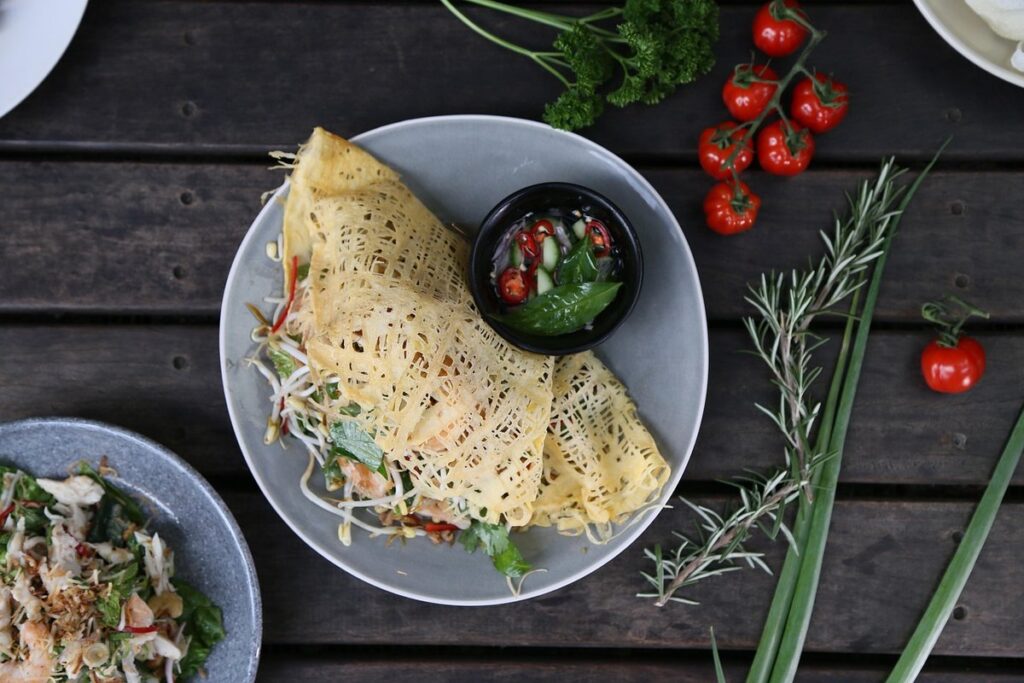
In northern Thailand, you’ll find a distinct variation of street food that reflects the region’s cultural heritage. The city of Chiang Mai is particularly famous for its khanom buang, also known as Thai crepes. These delicate pastries are filled with a sweet coconut and bean paste, often served with a sprinkle of powdered sugar.
In contrast, the southern region offers a spicier take on traditional street food. In provinces like Songkhla and Narathiwat, you’ll find vendors selling miang kham, a spicy betel leaf wrap filled with shrimp, chilies, and peanuts. This snack is a staple in southern Thailand, where the influence of Malaysian and Indonesian cuisine is evident.
The northeastern region, or Isaan, also boasts its own unique street food scene. One popular dish is laab moo yang, a spicy minced pork salad that’s often served with sticky rice. The bold flavors and aromas of this dish reflect the region’s cultural identity, shaped by its history as a major hub for trade and migration.
When exploring Thailand’s regions, it’s essential to try local street food specialties like these. By doing so, you’ll gain a deeper understanding of the country’s culinary diversity and the ways in which regional traditions have evolved over time.
Iconic Thai Dishes Every Traveler Should Try
Thai cuisine is a vibrant reflection of its culture, and trying these iconic dishes is an essential part of any traveler’s experience in Thailand. From spicy curries to fragrant street food, every bite is a taste sensation.
Spicy Soups and Curries
Tom Yum soup is a quintessential Thai dish that embodies the country’s love for spicy and sour flavors. Made with a flavorful broth of fish sauce, lime leaves, and lemongrass, this clear-brothed soup is typically served hot, garnished with fresh herbs like basil and chilies. The name “Tom Yum” literally translates to “boiled water,” but don’t let the simplicity of its name fool you – this soup packs a punch.
Massaman curry is another iconic Thai dish that showcases the country’s rich culinary diversity. Made with beef or chicken, potatoes, onions, and peanuts in a rich, slightly sweet coconut milk-based sauce, Massaman curry is a staple of Thai cuisine. The key to making great Massaman curry lies in balancing its complex flavors – a delicate balance between sweet, sour, salty, and spicy.
Other popular spicy soups and curries include Tom Kha Kai (a creamy coconut-based soup with chicken), Panang curry (made with beef or pork and peanuts in a rich sauce), and Green Curry (made with green chilies, Thai basil, and coconut milk). When trying these dishes abroad, look for restaurants that use fresh ingredients and follow traditional recipes to get the most authentic taste of Thailand.
Stir-Fried Noodle Dishes
Pad Thai is one of Thailand’s most iconic dishes, and its many variations are a testament to the country’s rich culinary diversity. This stir-fry noodle dish typically consists of rice noodles, eggs, tofu, and a sweet-and-sour sauce made from tamarind, palm sugar, and fish sauce. However, you’ll find that different regions in Thailand have their own unique takes on Pad Thai.
One popular variation is the “Phad Thai Nam Tok” or Northern-style Pad Thai, which uses more vegetables and fewer eggs than its Southern counterpart. Another regional twist can be found in the “Pad Thai with Shrimp,” a seafood-heavy version often served at high-end restaurants. Drunken Noodles (also known as “Pad Kee Mao”) is another popular stir-fry noodle dish that’s similar to Pad Thai but made with flat rice noodles and often contains meat, vegetables, and a spicy sauce.
When trying these dishes on your travels, be sure to look for variations made with fresh ingredients and traditional cooking methods. You can also try ordering “Khao Soi” or curried noodle soup in the North, which is another delicious example of Thai cuisine’s stir-fry noodle diversity.
Exploring Regional Thai Cuisine
From the spicy dishes of Isaan to the fragrant curries of the south, we’ll take a closer look at the unique flavors and specialties of Thailand’s regional cuisines. Each region offers its own distinct twist on traditional Thai cooking.
Southern-Style Thai Food
Southern-Style Thai cuisine is a unique blend of flavors and ingredients that set it apart from other regional Thai cooking styles. The distinct flavor profile is shaped by the region’s proximity to Malaysia and Indonesia, which has influenced the use of spices like lemongrass, galangal, and kaffir lime leaves in many dishes.
One key characteristic of Southern-Style Thai food is its emphasis on fresh seafood, particularly fish balls, shrimp cakes, and crab curries. The region’s cuisine also features a variety of stir-fry dishes made with coconut milk, such as Massaman curry, which combines the creamy richness of coconut with the sweetness of spices.
To try authentic Southern-Style Thai food, look for dishes like Khanom Jeen Nam Ngiaw, a spicy curried noodle soup originating from the southern city of Songkhla. This dish showcases the region’s love of bold flavors and is often served at local markets and street stalls. When exploring the culinary scene in southern Thailand, be sure to also try some of the fresh tropical fruits like durians and rambutans that are widely available in the region.
Northeastern Thai Cuisine (Isaan)
Isaan cuisine, also known as Northeastern Thai cuisine, is a bold and spicy reflection of the region’s cultural heritage. Characterized by its use of fermented fish sauce, chilies, lemongrass, and galangal, Isaan dishes pack a punch when it comes to flavor.
One of the most iconic Isaan dishes is Larb (also spelled Laab), a spicy minced meat salad made with chilies, herbs, and a variety of meats such as beef, pork, or chicken. Grilled Pork Skewers, known as Sai Oua, are another popular snack in Isaan cuisine. The combination of smoky grilled pork, chilies, lemongrass, and fermented fish sauce creates an explosion of flavors.
Som Tam (Papaya Salad) is a staple in Isaan cuisine, made with shredded green papaya, tomatoes, chilies, peanuts, and fermented fish sauce. This dish showcases the region’s love for bold flavors and textures. When trying these dishes, it’s essential to balance the spiciness by eating them with sticky rice or other bland foods. This will help temper the heat without overpowering the flavors of the dish. By exploring Isaan cuisine, you’ll discover a unique flavor profile that sets Thai regional cuisine apart from the rest.
Vegetarian and Vegan Options in Thai Cuisine
Thai cuisine offers a surprisingly wide range of delicious vegetarian and vegan options, from spicy soups to flavorful stir-fries. You’ll find many dishes that cater specifically to plant-based diets.
Plant-Based Alternatives to Meat Dishes
Thai cuisine offers numerous opportunities for plant-based adaptation. Tofu, tempeh, and seitan are versatile ingredients that can be used to replicate the texture and flavor of traditional Thai meat dishes. For example, marinating and stir-frying tofu can create a protein-rich substitute for chicken or beef in popular dishes like Pad Thai and Massaman curry.
In many cases, plant-based alternatives can be substituted directly into traditional recipes without significant modification. Some restaurants now offer vegan versions of classic Thai dishes, featuring ingredients such as mushroom “meat” or jackfruit “pork.” However, it’s also possible to create plant-based adaptations at home using a variety of ingredients and cooking techniques.
To incorporate more plant-based options into your Thai cooking repertoire, start by experimenting with different types of protein-rich tofu and tempeh. Consider the flavor profile you’re aiming for – for example, if you want a rich, savory taste, use seitan or mushroom-based alternatives. By exploring these plant-based adaptations, you can enjoy traditional Thai flavors while adhering to a vegetarian or vegan diet.
Traditional Thai Fruits and Desserts
Thai desserts often showcase an array of tropical fruits, each chosen for its unique texture and flavor. Mango sticky rice is a quintessential pairing found throughout Thailand, with ripe mango slices served atop a bed of sweet coconut-infused rice. Coconut ice cream is another popular dessert that highlights the versatility of coconut in Thai cuisine. This creamy treat can be flavored with a variety of fruits such as durian or jackfruit.
Other notable fruits used in Thai desserts include palm sugar-glazed banana fritters, water chestnut-filled taro balls, and tuber-like lotus root jelly. These sweet treats not only showcase the creativity of Thai chefs but also reflect the country’s rich cultural heritage. When trying these desserts, be sure to balance your flavors with a cup of strong Thai coffee or tea.
In addition to their use in desserts, many of these fruits are also incorporated into refreshing drinks. Coconut water and coconut milk smoothies are popular choices during hot summer months, while fruit salads featuring seasonal fruits like rambutan and guanabana are enjoyed throughout the year.
Frequently Asked Questions
Can I make traditional Thai dishes at home without having to travel to Thailand?
Yes, with access to Asian markets or online retailers that sell authentic ingredients and spices. You can also experiment with substituting ingredients to suit your local tastes.
How do I choose the right type of rice for a specific Thai dish?
The type of rice used in Thai cooking is often dependent on the region or recipe. For example, Jasmine rice is commonly served with most Thai dishes, while sticky rice (Khao Niew) is typically served with grilled meats and spicy curries.
What if I’m not comfortable with spiciness? Can I make Thai dishes milder?
Yes, you can adjust the level of heat in a dish by omitting or reducing the amount of chili peppers or chili flakes. You can also substitute hot sauce with a milder alternative or add dairy products like yogurt or coconut milk to neutralize the heat.
How do I incorporate plant-based proteins into traditional Thai dishes?
You can use tofu, tempeh, seitan, and other plant-based protein sources as substitutes for meat in many Thai recipes. Experiment with marinating and seasoning these ingredients to achieve authentic flavors.