
The Paris Louvre Opera is one of the most iconic landmarks in the City of Light, and for good reason – its rich history, stunning architecture, and world-class performances make it a must-visit destination for any culture lover. You’ve probably heard of the Louvre Museum, but did you know that it’s also home to a beautiful opera house that hosts a wide range of productions, from classical music to modern ballet? As you walk through the grand halls and admire the opulent decorations, you’ll get a glimpse into the opulent world of 19th-century French culture. In this article, we’ll take a closer look at the Paris Louvre Opera, exploring its fascinating history, breathtaking architecture, and the incredible performances that take place within its walls. By the end of this article, you’ll be equipped with all the insider knowledge you need to plan an unforgettable visit to this Parisian gem.
The Rich History of the Paris Louvre Opera
The Paris Louvre Opera has a rich and storied past, from its humble beginnings as a royal residence to its current status as a world-renowned cultural institution. Its fascinating history is a testament to the city’s enduring artistic heritage.
From Royal Palace to National Monument
In the 16th century, the Louvre Palace was built as a royal residence for Francis I, marking the beginning of the Paris Louvre Opera’s rich history. Over the centuries, the palace evolved, serving as a royal residence, a seat of power, and even a prison. The French Revolution in 1789 brought significant changes, and the palace was eventually converted into a museum. In 1803, Napoleon transformed it into the Louvre Museum, which would eventually become the iconic cultural institution we know today. The Louvre’s transformation from a royal palace to a national monument is a testament to its enduring importance in French history and culture. Today, the Louvre is a UNESCO World Heritage site, attracting millions of visitors each year. The building’s grandeur and historical significance are undeniable, and its transformation into a museum and cultural institution is a remarkable example of how a historic landmark can be repurposed to serve the needs of a nation. Visitors can experience the Louvre’s history and grandeur by touring the building and its surrounding gardens.
The 19th-Century Revitalization
In the mid-19th century, the Louvre underwent a significant transformation. As the French monarchy’s power waned, the palace was repurposed for more public uses. In 1793, the National Assembly declared the Louvre a national monument, paving the way for its conversion into a museum. The Louvre Museum opened its doors in 1793, and it quickly became a hub for artistic and cultural expression.
This shift marked a crucial moment in the Louvre’s history, as it began to take on its modern form. The Salle du Milieu, the largest auditorium in the palace, was renovated to accommodate opera performances. The first opera production, “Rigoletto,” premiered in 1855, and it was a resounding success. This marked the beginning of the Louvre’s legacy as a premier opera house. The 19th-century revitalization of the Louvre also saw the introduction of new technologies, such as gas lighting and hydraulic elevators, which improved the overall experience for audiences. These innovations helped to establish the Louvre as a leader in the world of opera and the arts.
A Symbol of French Culture and Identity
The Paris Louvre Opera is often referred to as the crown jewel of French cultural institutions. This is not just due to its stunning architecture, but also because it has played a significant role in shaping French culture and identity for centuries. One of the main reasons for its importance is its history as a former royal palace, a testament to the country’s rich aristocratic past. The Louvre’s collection of art and artifacts, which includes masterpieces from renowned artists such as Leonardo da Vinci and Michelangelo, also serves as a symbol of French artistic and cultural excellence.
The Louvre’s iconic status is further solidified by its role in French history, having hosted numerous high-profile events, including state visits and diplomatic meetings. The Opera’s rich history is reflected in its diverse programming, which includes a range of performances, from opera and ballet to theater and concert. By attending a performance at the Louvre, visitors can experience the beauty and grandeur of French culture firsthand.
Exploring the Louvre’s Iconic Architecture
As you step inside the historic Louvre, take a moment to appreciate the stunning architecture that surrounds you, a testament to centuries of French grandeur and artistic innovation.
The Grand Louvre Pyramid
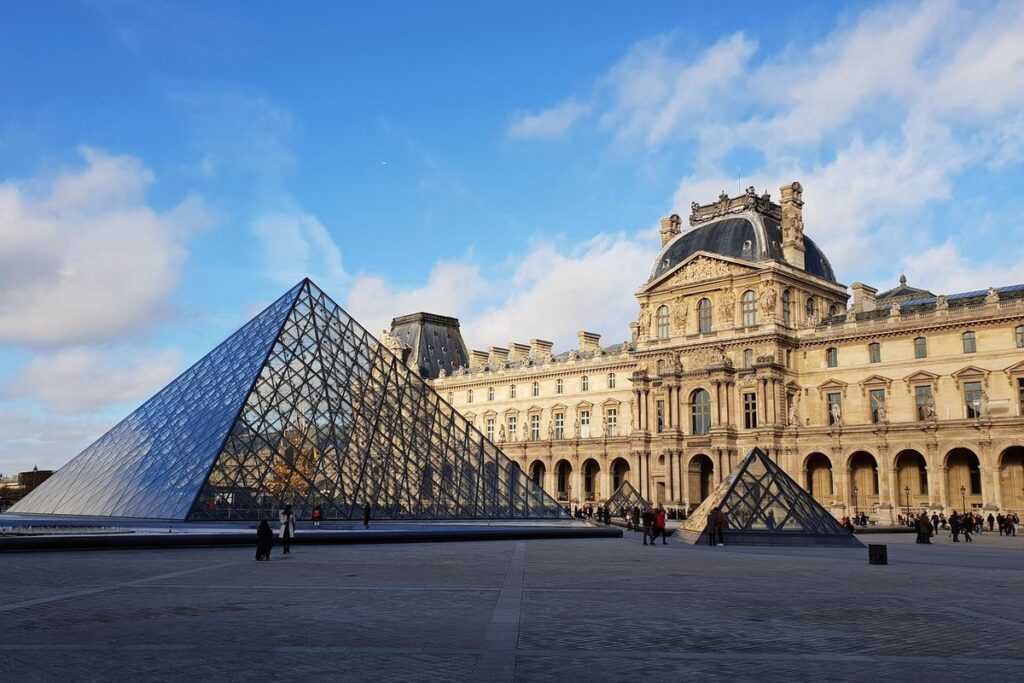
The Grand Louvre Pyramid is a striking example of modern architecture juxtaposed with the historic Louvre Museum. Designed by renowned architect I.M. Pei, the glass pyramid serves as the main entrance to the museum, providing a dramatic contrast to the Louvre’s classical exterior. The pyramid’s design is a deliberate nod to the ancient Egyptian influence found within the museum’s vast collection, creating a sense of continuity between the old and the new.
The pyramid’s sleek, modern lines and glass façade are a notable departure from the Louvre’s ornate and historic façade. However, this intentional contrast has become an iconic symbol of the Louvre’s rebirth as a 21st-century museum. Upon entering the pyramid, visitors are immediately immersed in the museum’s grandeur, setting the tone for their exploration of the Louvre’s vast collections.
Visitors can observe the pyramid’s design from multiple vantage points, including from within the museum’s Great Hall. This allows visitors to appreciate the pyramid’s intricate details and its relationship to the surrounding architecture. The pyramid’s unique design has become an integral part of the Louvre’s identity, solidifying its position as one of the world’s most renowned museums.
The Seine River and Louvre’s Waterfront
As you step out of the Louvre’s grand entrance, you’re immediately immersed in the tranquil atmosphere of the Seine River waterfront. The museum’s unique location offers breathtaking views of the city, with the river’s gentle current providing a soothing soundtrack to your visit. Take a moment to appreciate the picturesque scene before you: the sun glinting off the water, the boats bobbing gently against the shore, and the city’s iconic landmarks rising up from the riverbank. This tranquil escape from the bustling streets of Paris is a perfect respite from the crowds and chaos of the city.
To make the most of your time on the waterfront, consider taking a stroll along the Seine’s pedestrian path, which runs along the Louvre’s eastern edge. You’ll pass by a series of beautiful gardens and courtyards, each with its own unique character and charm. Be sure to stop at the Louvre’s own riverbank gardens, which offer stunning views of the river and the city beyond. Whether you’re a fan of architecture, art, or simply the beauty of nature, the Seine River and Louvre’s waterfront are a must-see experience that will leave you in awe of the city’s timeless elegance.
The Louvre’s Courtyards and Gardens
The Louvre’s interior courtyards and gardens offer a tranquil oasis amidst the museum’s grand architecture. These serene spaces provide a welcome respite from the crowds and chaos of the city. The Cour Marly, a large glass-roofed courtyard, is a popular spot for visitors to relax and take in the sights. Its tranquil atmosphere and elegant design make it an ideal spot to escape the hustle and bustle.
The Cour Visconti, another of the Louvre’s courtyards, features a beautiful garden with a tranquil atmosphere. This peaceful oasis is filled with lush greenery and offers a serene escape from the museum’s more crowded areas. The garden’s design and plant selection are carefully curated to provide a soothing and calming environment.
The Louvre’s gardens and courtyards are also home to several beautiful fountains and sculptures. These decorative elements add to the serene atmosphere and provide a visually appealing contrast to the museum’s more formal spaces. Visitors can take a stroll through the gardens, admiring the art and architecture, or simply sit and enjoy the peaceful atmosphere.
The Paris Louvre Opera’s Performance Schedule
To help you plan your visit, we’ve put together a detailed look at the Paris Louvre Opera’s performance schedule, including showtimes and ticket information.
A Season of Opera, Ballet, and Theater
The Paris Louvre Opera’s performance schedule is a highlight of the city’s cultural calendar, with a diverse range of productions throughout the year. From classical operas to modern ballets and theatrical performances, there’s something for every taste and interest. One of the standout aspects of the Louvre’s schedule is its commitment to showcasing a wide range of artistic styles and periods.
Throughout the year, the Louvre hosts productions by its resident companies, including the Paris Opera Ballet and the Comédie-Française. These esteemed ensembles bring their expertise and passion to the stage, performing a mix of classic and contemporary works. Some of the most popular productions include works by famous composers like Verdi and Bizet, as well as innovative collaborations with contemporary artists.
In addition to the regular season, the Louvre also hosts special events and one-off performances. These might include guest appearances by renowned performers, themed evenings, or even live broadcasts of major productions. To stay up-to-date on the latest schedule and plan your visit accordingly, be sure to check the Louvre’s website or contact their box office directly.
The Louvre’s Resident Companies
The Paris Louvre Opera is home to several resident companies, each contributing to the rich cultural tapestry of the institution. The Paris Opera Ballet is one of the most prominent resident companies, performing a diverse range of classical and contemporary works. The company’s repertoire includes iconic ballets like Swan Lake and The Nutcracker, as well as more modern productions that showcase the artistry of its dancers.
In addition to the Paris Opera Ballet, the Louvre also hosts the Paris Opera Orchestra and several other smaller companies. These resident companies collaborate on productions, bringing together different artistic visions and styles to create unique performances. For example, the Paris Opera Ballet has worked with the Paris Opera Orchestra on productions like La Bohème and Carmen, showcasing the versatility and talent of the resident companies.
To experience the full range of the Louvre’s resident companies, consider attending a performance during the opera’s peak season. Most productions take place between September and July, with peak season typically running from December to April. Be sure to check the Louvre’s performance schedule to catch a performance by the Paris Opera Ballet or one of the other resident companies.
Seasonal Highlights and Special Events
The Paris Louvre Opera’s performance schedule is a dynamic and exciting reflection of the city’s rich cultural heritage. Each season brings a unique blend of opera, ballet, and theater, with a range of productions to suit every taste. One of the most iconic events on the Louvre’s calendar is the annual Bastille Day celebrations, which take place on July 14th. This grand spectacle features military parades, fireworks, and live music, and is a must-see for anyone visiting Paris during the summer months.
In addition to Bastille Day, the Louvre Opera also hosts a range of other seasonal highlights and special events throughout the year. During the winter months, the Louvre’s festive atmosphere is enhanced by the annual Christmas market, which features a range of artisanal stalls and live performances. In the spring, the Louvre hosts a series of outdoor concerts and recitals, taking advantage of the warmer weather to bring music and culture to the city’s streets. These events offer a unique opportunity for visitors to experience the Paris Louvre Opera in a new and exciting way.
Tips for Visiting the Paris Louvre Opera
To make the most of your visit to the Paris Louvre Opera, consider these insider tips for navigating the museum’s grand spaces and catching a performance. Plan ahead to avoid the crowds and make the most of your time.
Planning Your Visit
Planning your visit to the Paris Louvre Opera in advance can make a significant difference in your overall experience. You can purchase tickets online, allowing you to skip the ticket lines and get straight to exploring the museum. It’s also a good idea to familiarize yourself with the museum’s interactive map, which provides an overview of the various exhibitions and performance spaces.
The Louvre’s website offers a helpful tool that allows you to plan your route and prioritize the areas you want to visit. This is especially useful if you’re short on time or want to make the most of your visit. You can also use the map to identify which exhibitions are currently on display and which performances are scheduled for the day of your visit.
When using the interactive map, consider the flow of your visit. For example, if you’re attending a performance, you may want to arrive at the auditorium a little early to get settled. Similarly, if you’re planning to visit the museum’s exhibitions, you may want to budget some extra time to explore the various galleries. By planning ahead, you can make the most of your time at the Paris Louvre Opera and enjoy a more relaxed and enjoyable experience.
Getting to the Louvre
The Paris Louvre Opera is conveniently situated in the heart of the city, making it easily accessible by public transportation. The museum is well-connected to the metro network, with several lines converging nearby. The Palais-Royal – Musée du Louvre station, served by metro lines 1 and 7, is just a short walk from the main entrance. Alternatively, you can take bus lines 21, 24, 27, or 95, which stop nearby. If you’re traveling from a farther distance, the RER A train line also connects to the nearby Auber station. Once you arrive, follow the signs to the main entrance, where you’ll be greeted by the iconic glass pyramid. Keep in mind that the museum’s proximity to major attractions like the Seine River and Notre-Dame Cathedral means that the surrounding area can get crowded. Plan your visit accordingly to avoid peak tourist hours.
Insider Tips and Hidden Gems
When visiting the Paris Louvre Opera, there are several insider tips and hidden gems that can elevate your experience. Start your day by exploring the Palais-Royal Gardens, a tranquil oasis located just across the street from the Louvre. These gardens are often overlooked by visitors, but they offer a serene escape from the hustle and bustle of the city.
Another lesser-known attraction is the Musée d’Orsay’s satellite museum, located within the Louvre’s east wing. This intimate museum features a rotating selection of contemporary art exhibitions, offering a unique perspective on the city’s cultural scene.
For a truly unique experience, consider attending a performance at the Opéra Bastille, a stunning 19th-century opera house located just a short walk from the Louvre. This beautiful building offers a more intimate and immersive experience than the Louvre’s own opera house.
Be sure to take a stroll along the Seine River, which offers breathtaking views of the Louvre’s iconic architecture. Stop by the Pont des Arts, a pedestrian bridge lined with street performers and offering spectacular views of the city.
Frequently Asked Questions
Can I attend a performance at the Paris Louvre Opera on short notice?
Yes, the Paris Louvre Opera often has same-day ticket availability, especially for matinee performances. However, it’s recommended to check the opera’s website or mobile app for last-minute availability and to avoid sold-out shows. Be sure to plan ahead and arrive early to secure your tickets.
What if I have limited mobility or need special assistance during my visit?
Yes, the Paris Louvre Opera is wheelchair accessible, with ramps and elevators connecting the various levels of the museum. Visitors with limited mobility can also request special assistance, such as wheelchair rental or companion care, by contacting the opera’s customer service in advance. Staff are also available to provide guidance and assistance throughout the museum.
Can I bring food and drink into the Paris Louvre Opera?
Yes, the Paris Louvre Opera allows visitors to bring in small, packed snacks and drinks. However, it’s worth noting that the opera’s cafes and restaurants offer a range of dining options, from light bites to multi-course meals, providing a convenient and enjoyable experience for visitors. Be sure to check the opera’s website for specific policies on food and drink.
What if I want to experience the Paris Louvre Opera on a budget?
Yes, the Paris Louvre Opera offers a range of affordable ticket options, including discounted student and youth tickets, as well as free or reduced-price admission for certain performances and events. Visitors can also consider attending a matinee show or opting for a behind-the-scenes tour to experience the opera on a budget. Additionally, the opera’s website often features special promotions and discounts, so be sure to check for these when planning your visit.

