Italian cuisine is renowned for its rich flavors, aromas, and simplicity. However, many popular Italian dishes have strayed far from their authentic roots. Traditional Italian food has a deep history that spans centuries, shaped by regional specialties, climate, and cultural influences. From the north’s risotto to the south’s pasta dishes, each region boasts unique ingredients and cooking techniques that set it apart.
You may be familiar with popular Italian-American dishes like spaghetti Bolognese or chicken parmesan, but these creations have little in common with their Italian counterparts. To truly experience authentic Italian cuisine, you need to understand its regional nuances and essential ingredients. This comprehensive guide will take you on a culinary journey through the country’s diverse regions, highlighting must-try dishes, key ingredients, and cooking techniques that define traditional Italian food. By the end of this article, you’ll be able to recreate classic Italian recipes with confidence and authenticity.

History and Origins of Italian Food
Italian cuisine has a rich history that spans centuries, shaped by factors such as geography, culture, and social class. From humble peasant dishes to elegant royal feasts, we’ll explore how these influences came together.
Influences from Ancient Rome and Mediterranean Trade
Italian cuisine has its roots in ancient Rome, where cooking techniques and ingredients were refined over centuries. The Roman Empire’s love of fine dining was evident in their elaborate banquets, which featured exotic spices, fresh seafood, and premium meats. These culinary traditions were adopted by the early Christian church, influencing the development of medieval Italian cookery.
The Mediterranean trade also played a significant role in shaping Italian cuisine. Merchants brought back new ingredients from their travels, such as citrus fruits, which became a staple in Sicilian cooking. The exchange of goods and ideas between Italy’s coastal regions and other Mediterranean countries facilitated the spread of culinary innovations.
Consider the impact of these ancient influences on your own cooking. For example, try using Roman-style garum, a fermented fish sauce made with anchovies and herbs, to add depth to your pasta sauces. Alternatively, incorporate fresh seafood into your dishes, as was popular in ancient Rome. By embracing these historical traditions, you can add authenticity and richness to your Italian-inspired meals.
Regional Diversity in Italian Cooking
Italy’s regional diversity is a defining characteristic of its cuisine. From the sea-salt crusted seafood of Campania to the rich game stews of Tuscany, each region has contributed unique flavors and techniques that blend with one another to create Italy’s distinctive culinary landscape.
Some key regions include Sicily, which introduced Arabs spices and citrus fruits; Emilia-Romagna, famous for its Parmigiano-Reggiano cheese and prosciutto di Parma; and Puglia, known for its durum wheat pasta, olive oil, and almonds. These local ingredients often determine the flavor profiles of regional dishes.
When exploring traditional Italian cuisine, it’s essential to consider these regional specialties and ingredients. For example, when visiting Tuscany, try a ribollita, a hearty soup made with vegetables, bread, and cannellini beans, often served with a drizzle of extra virgin olive oil. In Naples, indulge in a classic margherita pizza topped with San Marzano tomatoes and fresh mozzarella.
By embracing regional diversity, you can experience the full depth and richness of Italian cuisine, from the spicy kick of Calabrian peppers to the delicate flavors of Ligurian pesto.
Classic Italian Dishes and Ingredients
When exploring traditional Italian cuisine, it’s essential to familiarize yourself with classic dishes that have been passed down through generations. From pasta carbonara to osso buco, we’ll take a closer look at iconic recipes and ingredients that define Italy’s rich culinary heritage.
Pasta: A Staple of Italian Cuisine
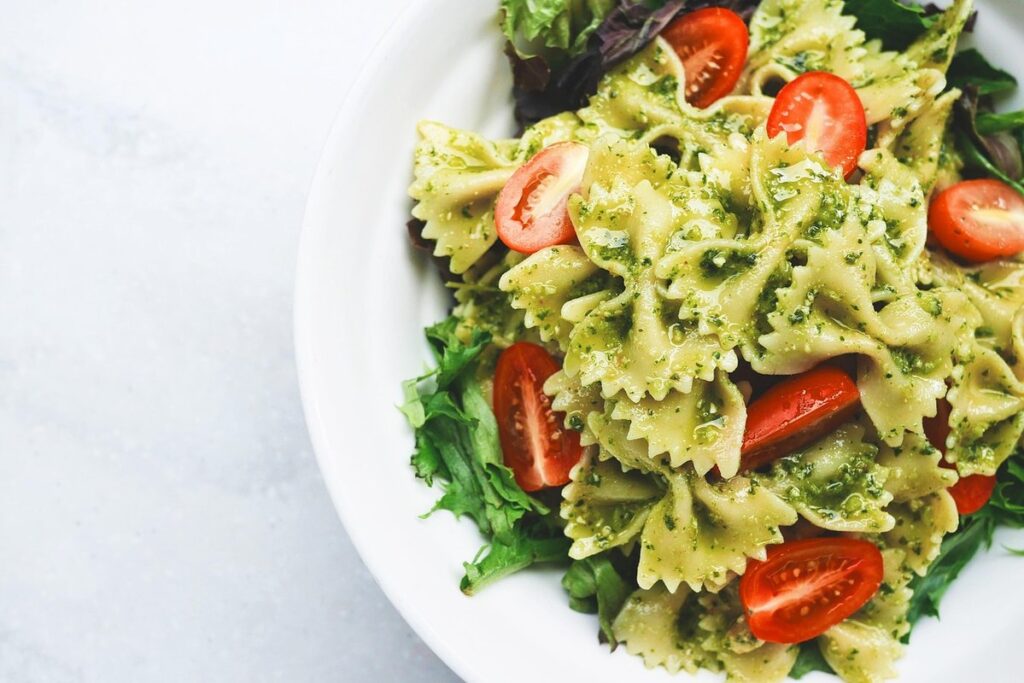
Pasta is a fundamental component of Italian cuisine, with its history dating back over 2,000 years to ancient Asia Minor. From there, it spread throughout the Mediterranean via trade routes and was later adopted by the Italians. Today, pasta comes in an astonishing array of shapes and sizes, each suited for specific sauces and pairings.
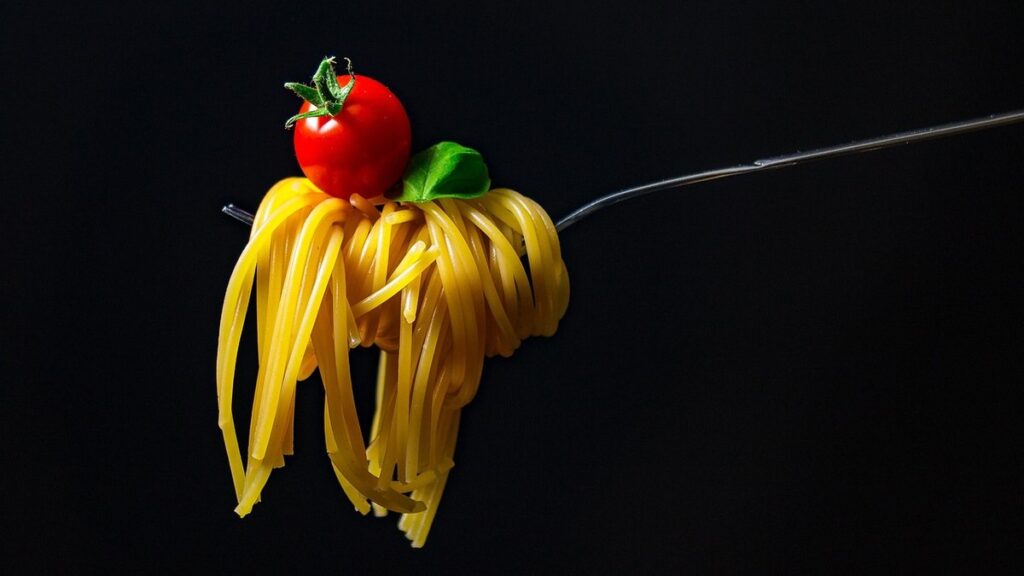
Some of the most iconic types include spaghetti, linguine, fettuccine, and pappardelle. These long, thin strands are typically paired with light, oily sauces such as carbonara or aglio e olio to avoid overpowering their delicate flavor. On the other hand, thicker, more robust pasta shapes like rigatoni and penne can handle heartier tomato-based sauces.
In Italian cuisine, it’s essential to choose the right type of pasta for your sauce and ingredients. For example, a seafood-based sauce is best paired with shells or elbow macaroni, allowing the flavors to mingle freely. When cooking pasta, remember to cook it al dente – slightly resistant in the center – as overcooking can make it mushy and unappetizing.
A well-made pasta dish is not just about combining ingredients; it’s an art that requires balance and harmony between textures and flavors. By understanding the basics of pasta types and pairings, you’ll be better equipped to create authentic Italian dishes in your own kitchen.
Risotto, Polenta, and Other Northern Italian Staples
Northern Italy is renowned for its rich culinary heritage, shaped by the region’s unique combination of Mediterranean and Alpine influences. At the heart of Northern Italian cuisine are dishes like risotto, polenta, and osso buco, which showcase the area’s creative use of locally sourced ingredients.
Risotto, a creamy rice dish typically made with Arborio rice, is often served with vegetables, meat or seafood. A classic example is Risotto alla Milanese, originating from Milan, which pairs saffron-infused risotto with ossobuco (braised veal shanks). Polenta, another staple of Northern Italy, is a hearty cornmeal porridge that can be served soft and creamy or firm and crunchy. It’s often paired with rich meat ragùs or game meats.
Osso buco, braised veal shanks with vegetables and gremolata (a lemon-garlic condiment), is another beloved Northern Italian dish. To try these dishes at home, focus on using high-quality ingredients, such as fresh seafood or tender veal cuts. Experiment with different flavor combinations, like saffron and cardamom in risotto or rosemary and garlic in polenta. Keep in mind that traditional Northern Italian cuisine emphasizes simplicity and letting ingredients shine, so avoid overcomplicating recipes with excessive sauces or seasonings.
Regional Specialties: Southern Italy to Tuscany
As you journey through Italy, every region reveals its own distinct flavors and ingredients, from Campania’s fresh seafood to Tuscany’s hearty wines. Let’s explore the unique specialties of Southern Italy and beyond.
Campania’s Seafood and Pizza
Campania’s coastline offers a rich seafood experience, with fresh catches like mussels, clams, and oysters often served raw on ice. Try them as “fritto misto,” lightly battered and fried with vegetables. The region is also famous for its pizza, born in Naples around the 18th century. Visit Pizzeria Brandi or Di Matteo to taste a classic Neapolitan-style pie, topped with San Marzano tomatoes, mozzarella, and fresh basil.
In addition to seafood and pizza, Campania’s cuisine features other local specialties like “parmigiana di melanzane,” eggplant parmesan, and “timballo,” a Sicilian-inspired dish made with pasta, meat ragù, and cheese. Be sure to try the region’s famous limoncello, a lemon liqueur often served as a digestif after meals.
When exploring Campania’s coastal cuisine, look for restaurants serving fresh seafood daily, or opt for markets like the Mercato di Sanità in Naples, where you can find local produce and artisanal products. Consider visiting during festivals like the Festa di San Gennaro, which celebrates Neapolitan cuisine with street food stalls and cooking demonstrations. By indulging in Campania’s authentic flavors, you’ll experience a true taste of Italy’s southern coast.
Tuscan Cuisine: Simple yet Flavorful
Tuscan cuisine is renowned for its rustic simplicity and deep connection to the land. This farm-to-table approach emphasizes the use of locally sourced ingredients, often featuring olive oil as the primary fat source. Beans are another staple, with cannellini being a particularly popular choice for soups, stews, and salads. Meat plays a supporting role in Tuscan cooking, typically appearing in hearty dishes like ribollita or pappardelle Bolognese.
When preparing classic Tuscan recipes, it’s essential to focus on allowing each ingredient to shine. For instance, a simple yet flavorful pasta dish can be created by tossing cooked pappardelle with sautéed onions, garlic, and rosemary, then finishing it with a drizzle of olive oil and a sprinkle of Parmesan cheese.
Some key characteristics of Tuscan cuisine include:
• Emphasis on seasonal ingredients
• Generous use of olive oil for cooking and dressing
• Hearty use of beans in soups, stews, and salads
• Meat is used sparingly, often in slow-cooked or braised dishes
• Simple yet flavorful preparations allow each ingredient to shine
Italian Food in Modern Times: Evolution and Fusion
As you explore traditional Italian cuisine, it’s clear that modern twists on classic dishes are evolving the culinary landscape. From innovative fusion flavors to updated takes on beloved favorites, Italy’s food scene is more exciting than ever.
Contemporary Twists on Classic Dishes
In recent years, traditional Italian cuisine has undergone a significant transformation. Chefs and restaurateurs have been experimenting with new flavors and techniques while remaining true to their Italian heritage. This evolution is evident in contemporary twists on classic dishes. For instance, some restaurants now offer a “Deconstructed Lasagna” where the layers of pasta, meat sauce, and cheese are rearranged into a visually stunning presentation.
Another example is the fusion of Italian with other international cuisines. Some chefs have incorporated Asian flavors into their risottos, while others have added Indian spices to their pasta sauces. This blending of culinary traditions has resulted in innovative dishes that are both familiar and excitingly new.
Some notable examples include Truffle Risotto with Saffron Aioli or Spaghetti Carbonara with Smoked Bacon and Egg. These creations not only showcase the chef’s creativity but also demonstrate how traditional Italian flavors can be reimagined for a modern palate. By embracing innovation while staying true to their roots, chefs are pushing the boundaries of traditional Italian cuisine without losing its essence.
Fusion Cuisine: Italian Meets the World
Italian cuisine’s adaptability is on full display in fusion dishes that combine traditional techniques with international flavors. This culinary exchange has resulted in unique creations like sushi risotto and pad thai gnocchi, which blend Italian comfort food with the bold spices of Asian cuisine.
In Korean-Italian fusion, dishes like bibimbap arancini showcase the versatility of Italy’s staple rice balls. These crispy fried rice balls are filled with a spicy Korean-inspired mixture of kimchi, bulgogi beef, and mozzarella cheese. Similarly, the Japanese-Italian fusion has given birth to ramen carbonara, which swaps traditional spaghetti for wheat noodles in a rich pork broth.
When experimenting with international flavors, Italian chefs often look to bold spices, citrus, and fresh herbs to add depth to their dishes. For example, adding Korean chili flakes (gochugaru) to your pasta sauce can add a spicy kick, while incorporating Indian garam masala into your risotto can add warmth and aromatic complexity. To incorporate fusion flavors at home, start by selecting one or two international ingredients – such as wasabi or soy sauce – and use them sparingly to enhance familiar Italian dishes like pizza or lasagna.
Ingredients and Cooking Techniques Essential to Traditional Italian Food
To truly master traditional Italian cooking, you need to understand the fundamental ingredients and techniques that have been passed down through generations of Italian cooks. Let’s start with the staples of a classic Italian kitchen.
The Role of Olive Oil in Italian Cuisine
Olive oil is a cornerstone of traditional Italian cooking, and its significance extends far beyond mere flavor enhancement. In fact, olive oil is not just an ingredient – it’s often considered an integral component of Italian cuisine itself. When used correctly, it can elevate a dish from bland to sublime.
When choosing the right olive oil for your Italian recipe, consider the variety. Frantoio and Pendolino are popular choices due to their balanced flavor profiles and medium-high acidity levels. Extra Virgin Olive Oil (EVOO) is another option, prized for its high polyphenol content and robust taste. However, keep in mind that EVOO has a lower smoke point than other oils, which can make it less suitable for high-heat cooking.
To harness the full potential of olive oil, use it judiciously. A general rule of thumb is to drizzle it on at the end of cooking, allowing its delicate flavors to shine through. When sautéing or roasting ingredients, use a moderate amount – you can always add more but it’s harder to remove excess oil from a dish. This subtle approach will allow your food to speak for itself, rather than overpowering it with an oily flavor.
The Art of Cooking with Fresh Herbs and Aromatics
Fresh herbs and aromatics are the unsung heroes of traditional Italian cooking. They add a depth and complexity to dishes that is hard to replicate with other ingredients. Take basil, for example: its sweet, slightly spicy flavor is a hallmark of many classic Italian sauces, from pesto to tomato sauce.
To use fresh herbs effectively, it’s essential to choose the right variety for the job. For instance, oregano and rosemary are often used in meat dishes, while parsley and basil are better suited to vegetables and seafood. When cooking with aromatics like onions and garlic, it’s crucial to cook them slowly over low heat to bring out their full flavor.
In Italian cuisine, herbs and aromatics are not just added as an afterthought; they’re often sautéed or simmered for an extended period to create a rich, flavorful base. This technique is known as “soffritto,” and it’s a fundamental component of many classic dishes, from risotto to braised meats. By mastering the art of cooking with fresh herbs and aromatics, you’ll be able to elevate your Italian cooking to new heights.
Dining Traditions and Etiquette in Italy
When dining in Italy, understanding local customs and etiquette is just as important as ordering the perfect pasta dish. You’ll learn how to navigate Italian mealtimes with confidence and respect for tradition.
Mealtimes and Social Gatherings
In Italy, mealtimes are sacred. Family gatherings and social interactions revolve around the dinner table, where food is not just sustenance but a way to connect with loved ones. Sunday lunch (pranzo domenicale) is often reserved for family reunions, while mid-week meals are typically enjoyed in smaller groups or alone. Traditional Italian etiquette emphasizes respect for elders and guests, who are usually seated at the head of the table.
When dining with others, it’s customary to keep conversations light and avoid discussing politics or sensitive topics. This is especially true during mealtimes, when the focus should be on food, company, and conviviality. Italians often eat slowly and savor each bite, enjoying the flavors and aromas of their meal.
In Italian culture, social gatherings are not just about eating together but also about sharing stories, laughter, and memories. When hosting guests, it’s considered polite to offer a welcoming drink, such as wine or limonata (lemonade), before sitting down to eat. By following these simple customs, you can create an atmosphere of warmth and hospitality that is quintessentially Italian.
Food and Wine Pairing: An Italian Perspective
In Italy, food and wine pairing is an art form that’s deeply rooted in tradition. When it comes to classic combinations, Italians often pair simple yet bold flavors with rich, full-bodied wines. For example, a traditional pizza margherita is typically paired with a glass of Chianti or Montepulciano – the acidity in these wines cuts through the richness of the tomato sauce and melted mozzarella.
Regional specialties also play a significant role in Italian food and wine pairing. In Tuscany, for instance, olive oil-based sauces are often paired with medium-bodied reds like Sangiovese. Meanwhile, in coastal regions like Campania and Liguria, seafood dishes are commonly paired with crisp white wines such as Pinot Grigio or Vermentino.
One key principle of Italian food and wine pairing is to balance flavors rather than match them exactly. This means that a delicate fish dish might be paired with a robust red wine, while a rich meat sauce is balanced by a light-bodied red or even a sparkling wine like Prosecco. By following these guidelines, you can create harmonious pairings that enhance the flavors of traditional Italian cuisine. Consider experimenting with local wines and dishes to develop your own signature combinations.
Frequently Asked Questions
What is the best way to incorporate regional specialties into my own cooking?
The key is to start with authentic recipes and ingredients from your chosen region. Look for cookbooks or online resources that specialize in that region’s cuisine. Begin with simple dishes and gradually experiment with more complex recipes. Don’t be afraid to substitute ingredients based on local availability or dietary needs.
Can I make traditional Italian pasta at home without a specialized pasta machine?
Yes, you can still achieve delicious homemade pasta without a pasta machine. Use a high-quality “00” flour and mix it with eggs in a food processor until the dough comes together. Knead the dough by hand for about 10 minutes to develop the gluten, then rest it before rolling it out thinly.
How do I know when my risotto is cooked perfectly, without overcooking it?
The key is to pay attention to the texture and consistency of the risotto. It should still have a bit of firmness in the middle, but not be crunchy or hard. Check for doneness by inserting a fork or spoon into the center – if it slides in easily but meets some resistance, it’s ready.
What are the most essential herbs to use when cooking traditional Italian dishes?
Basil is an obvious choice for many classic Italian recipes, particularly with tomato-based sauces and vegetables. Fresh oregano adds depth to meat and vegetable stews, while parsley provides a bright, fresh flavor in salads and pasta dishes.