Traditional Serbian cuisine is a reflection of the country’s rich history, shaped by its strategic location at the crossroads of Eastern Europe. For centuries, Serbia was influenced by powerful empires such as the Ottomans and Byzantines, leaving an indelible mark on its culinary traditions. As you explore traditional Serbian food, you’ll discover the unique blend of Mediterranean and Balkan flavors that set it apart from other European cuisines. Must-try dishes like sarmi (stuffed cabbage rolls) and Ćevapi (minced meat sausages) are just a few examples of the delicious offerings that await you. In this article, we’ll take a closer look at the cultural influences that have shaped Serbian cuisine over time, highlighting its Ottoman and Byzantine heritage. By the end of this journey, you’ll know exactly what to order when trying traditional Serbian food, from hearty stews to savory meats and cheeses.
The Origins of Serbian Cuisine
To truly appreciate the rich flavors and aromas of traditional Serbian cuisine, let’s start at the very beginning and explore its fascinating origins. From Ottoman Empire influences to Slavic traditions, we’ll uncover the roots that shaped Serbia’s unique culinary identity.
Influences from Ottoman and Byzantine Empires
The Ottoman Empire’s influence on Serbian cuisine is undeniable, with many traditional dishes reflecting the empire’s culinary legacy. The Ottomans introduced their own spices and cooking techniques to Serbia, which blended seamlessly with the existing Byzantine and Slavic traditions. As a result, you’ll find that many classic Serbian recipes feature aromatics like paprika, cumin, and coriander, characteristic of Ottoman cuisine.
One notable example is ćevapi, minced meat skewers often served with flatbread or rice. This dish owes its origins to the Ottomans, who brought their own version of kebabs to the Balkans. Serbian chefs adapted these kebabs to feature local meats like pork and lamb, creating a unique twist on the original recipe.
The Byzantine Empire also played a significant role in shaping Serbian cuisine, particularly when it comes to baked goods and desserts. The Ottomans inherited many Byzantine baking techniques and adapted them for their own use. In Serbia, this legacy is evident in traditional sweet breads like burek and makovnjača. These flaky pastries are filled with cheese, spinach, or meat, demonstrating the blending of Ottoman and Byzantine influences.
The combination of Ottoman and Byzantine flavors has resulted in a distinct Serbian cuisine that’s both familiar and exotic.
Impact of Balkan Neighboring Countries
Serbia’s geographic location in the Balkans has facilitated a rich cultural exchange with its neighboring countries. The Ottoman Empire’s influence on Serbian cuisine is well-documented, but it’s equally important to consider the impact of other regional powers, such as Bulgaria and Greece. For instance, Bulgarian cuisine has introduced Serbia to dishes like shopska salad, which typically consists of tomatoes, cucumbers, onions, and feta cheese.
Turkey, another neighboring country, has also had a lasting impact on Serbian food. Many traditional Serbian recipes feature ingredients commonly found in Turkish cuisine, such as paprika and cumin. These spices add depth and warmth to dishes like ćevapi and sarma. Greece, meanwhile, has contributed to the development of Serbian desserts like baklava.
To appreciate these cultural influences, consider exploring the regional specialties and traditions during your visit to Serbia. Try local variations of familiar dishes or sample authentic ingredients at a traditional market. By acknowledging the diverse culinary heritage that surrounds them, travelers can gain a deeper understanding of the country’s history and culture – and, more importantly, enjoy a richer gastronomic experience.
Classic Dishes Every Visitor Should Try
When exploring traditional Serbian cuisine, there are several classic dishes that every visitor should try at least once during their trip. These beloved staples offer a genuine taste of Serbia’s rich culinary heritage.
Sarmi (Stuffed Rolls) – A Serbian Staple
Sarmi are a staple in Serbian cuisine, typically served as an appetizer or side dish. These stuffed rolls are made with a thin sheet of dough wrapped around various fillings, such as minced meat (usually pork and beef), onions, garlic, and spices. The most common filling is a mixture of ground meat, often combined with chopped parsley, paprika, and salt.
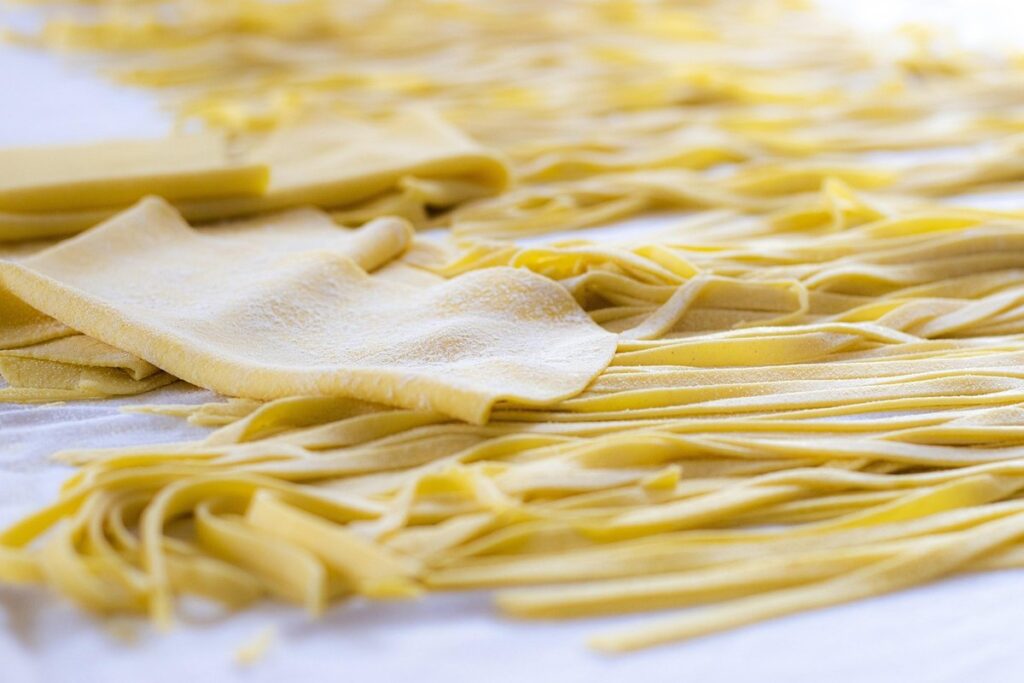
To prepare sarmi, cooks usually use a combination of wheat flour and water to create the dough, which is then rolled out into thin sheets. The fillings are placed in the center of each sheet, and the dough is wrapped around them, sealed, and boiled or steamed until cooked through. Some variations include frying the rolls for a crispy exterior.
Sarmi are often served with ajvar, a roasted red pepper sauce, or kefir, a type of yogurt drink. Visitors to Serbia should try sarmi during their stay, as they offer a unique insight into the country’s culinary heritage. The variety of fillings and cooking methods used in different regions adds to the dish’s appeal, making it a must-try for anyone interested in exploring Serbian cuisine.
Ćevapi – Minced Meat Skewers
Ćevapi are a staple of Serbian cuisine, small minced meat skewers often served as an appetizer or main course. The history of Ćevapi dates back to the Ottoman Empire’s influence on Serbian cooking, where they were inspired by Turkish Kebabs. Over time, Serbs adapted this dish to their own tastes and ingredients, creating a unique variation.
There are several types of ćevapi fillings, but the most common is made from a mixture of ground beef and lamb. Some variations include adding onions or spices for extra flavor. In Serbia, you’ll find Ćevapi served in various ways: grilled over an open flame, baked in a wood-fired oven, or even deep-fried. When ordered at a restaurant, be sure to specify how you prefer your ćevapi cooked.
A popular way to enjoy ćevapi is with a side of flatbread (called Ćevapi bread) and ajvar sauce, a roasted red pepper condiment. Some restaurants also serve them in a plate with a fried egg on top, adding a rich and savory element to the dish. When trying ćevapi for the first time, it’s best to order them from a reputable restaurant that uses high-quality meats and traditional cooking methods. This will give you an authentic taste of Serbia’s culinary heritage.
Traditional Serbian Ingredients and Produce
Traditional Serbian cuisine relies heavily on locally-sourced ingredients, such as paprika, garlic, and fresh vegetables from the fertile Balkan valleys. You’ll discover the essential ingredients that make up this rich culinary heritage.
Fresh Vegetables and Fruits from the Region
In traditional Serbian cooking, a variety of fresh vegetables and fruits are used to add flavor and texture to dishes. Among these staples are paprika, garlic, and peppers, which are often combined with other ingredients like onions and tomatoes to create sauces and stews. Paprika, in particular, is a key component of many Serbian recipes, adding a smoky depth to dishes like goulash and sarma.
Fruits like plums and grapes are also commonly used in traditional Serbian cooking. Plums are often preserved through drying or pickling to make prunes, which are then used in desserts like baklava and Turkish delight. Grapes, on the other hand, are used fresh or dried to make rakia, a strong fruit brandy that’s popular throughout the Balkans.
Some of the most commonly cultivated fruits and vegetables in Serbia include strawberries, blueberries, and raspberries, which are often used in jams, preserves, and desserts. Vegetables like zucchini, eggplant, and okra are also widely used in traditional Serbian cooking, particularly during the summer months when they’re at their peak freshness.
When shopping for ingredients in Serbia, look for local farmers’ markets or roadside stalls selling fresh produce. These vendors often offer a wide range of seasonal fruits and vegetables at affordable prices, making it easy to incorporate these traditional ingredients into your own cooking.
Meat and Poultry – Cured Meats and Game
Cured meats are a staple in traditional Serbian cuisine, with pršut being one of the most popular. This cured ham is air-dried for months to develop its distinctive flavor and texture. It’s often served as an antipasto or used in dishes like sarma (stuffed cabbage rolls). Game meats such as wild boar, deer, and rabbit are also commonly consumed in Serbia, particularly during hunting season.
Poultry like chicken and turkey are used in a variety of traditional Serbian recipes. For example, grilled čevapi-style chicken is a popular street food, while braised duck with plums is a classic winter dish. When purchasing game meats or poultry, look for locally sourced options from butchers who specialize in traditional cuts.
When working with cured meats and game, it’s essential to handle them properly to maintain their quality and safety. Store them in the refrigerator at a temperature below 40°F (4°C), and always cook them to an internal temperature of at least 165°F (74°C). With proper handling and preparation, these meats can add depth and variety to traditional Serbian dishes.
Regional Variations of Traditional Dishes
From hearty stews in the north to grilled meats in the south, traditional Serbian cuisine reveals its rich regional diversity through subtle variations on beloved dishes. You’ll discover how geography shapes flavor and technique across Serbia’s distinct regions.
Šopska Salad – A Classic from the Šumadija Region
The Šopska salad is a quintessential Serbian dish originating from the Šumadija region. Its history dates back to the early 20th century, when it was created as a hearty and simple meal for farmers and workers. The name “Šopska” literally translates to “from Šumadija,” paying homage to its roots in this picturesque area.
The salad typically consists of diced tomatoes, onions, cucumbers, and crumbled white cheese, all placed on top of a bed of kiseli kupus (sour cabbage). The combination may seem straightforward, but the key to its success lies in the quality of the ingredients. Fresh produce from local gardens is a must, and the use of traditional Serbian cheese, such as sirene or kefir cheese, adds a tangy flavor.
What makes Šopska salad so beloved throughout Serbia? Its simplicity and accessibility have made it a staple at family gatherings and picnics. Moreover, its flavors are a perfect reflection of the country’s rich agricultural heritage. To experience the authentic taste of Šopska salad, look for local markets or traditional restaurants that use only fresh, seasonal ingredients.
Pljeskavica – A Meat Patty from Belgrade
In Belgrade, pljeskavica is a beloved street food that has gained international recognition. This flavorful meat patty is made from a mixture of ground beef and pork, seasoned with onions, garlic, and spices. The origins of pljeskavica date back to the Ottoman Empire’s influence on Serbian cuisine, but it has since become an integral part of Belgrade’s culinary identity.
When enjoyed in modern times, pljeskavica is typically served with a side of flatbread or bread rolls, accompanied by kajmak (a type of cheese spread) and ajvar (a roasted red pepper sauce). You’ll often find vendors selling pljeskavica at outdoor markets, festivals, and even some cafes. For an authentic experience, try visiting the Belgrade’s bustling Kalemegdan Fortress, where street food stalls offer this tasty treat.
To make a traditional pljeskavica at home, use a mixture of 50% beef and 50% pork, along with some chopped onions and garlic for added flavor. Form the mixture into patties and grill them until cooked through. Serve hot on a toasted bun or flatbread with your preferred toppings – kajmak, ajvar, or even a dollop of sour cream are all great options. By trying pljeskavica in its native Belgrade, you’ll get a taste of the city’s rich cultural heritage and the country’s passion for hearty, satisfying food.
Traditional Serbian Meals and Their Significance
Serbian cuisine has a rich history, and traditional meals are often tied to special occasions and cultural heritage. Let’s take a closer look at some of these iconic dishes that have been passed down through generations.
Breakfast Traditions and Foods Like Ćir (Cornmeal Porridge)
In traditional Serbian households, breakfast is a simple yet nourishing meal that sets the tone for the day. One of the most popular breakfast foods is Ćir, a cornmeal porridge that’s similar to polenta. Made with coarse ground corn flour and often served with milk or water, Ćir is a comforting and filling start to the day. It’s not just a meal, but also an opportunity for family bonding and socializing.
In many Serbian households, breakfast is a time for sharing stories and news from the previous day. The preparation of ćir is often a collective effort, with family members taking turns stirring the pot or adding ingredients. This communal aspect of breakfast is deeply ingrained in Serbian culture, where mealtimes are seen as opportunities to connect with others.
To experience traditional Serbian breakfast like a local, try making Ćir at home using coarse ground corn flour and a mixture of milk and water. You can also add a pinch of salt or a drizzle of honey for extra flavor. As you sit down to enjoy your ćir, take a moment to appreciate the cultural significance of this simple yet satisfying meal.
Special Occasion Dishes – Holidays and Celebrations
Serbian cuisine is deeply rooted in tradition, and many dishes are reserved for special occasions throughout the year. During holidays and celebrations, families gather to share meals that often date back centuries. For example, on Christmas Eve (Badnji Dan), it’s customary to serve sarma – a dish of stuffed cabbage rolls filled with a mix of ground meat and spices. The night is also marked by an abundance of other traditional sweets and treats.
Another significant celebration in Serbia is the Day of St. Sava (Sretenje), which falls on January 27th. This day honors the founder of the Serbian Orthodox Church, and families often prepare a hearty dish called gibanica – a layered pastry filled with cheese, cream, and eggs. The rich flavors and textures of these dishes are not only delicious but also hold deep cultural significance.
When preparing special occasion dishes, it’s essential to remember that tradition is key. Use high-quality ingredients, follow authentic recipes, and pay attention to presentation. This will help you create a truly immersive experience for your guests and honor the rich culinary heritage of Serbia.
Modern Twists and Fusion Cuisine in Serbia
As you’ve seen so far, traditional Serbian cuisine is rich and flavorful, but modern chefs are now experimenting with innovative twists to put a fresh spin on classic dishes. You’ll love these creative fusions of East meets West.
Traditional Recipes with a Contemporary Twist
In recent years, traditional Serbian recipes have been adapted and modernized to incorporate international flavors and ingredients. This fusion of culinary traditions has led to some innovative and delicious creations. For instance, chefs in Belgrade have started using Korean chili flakes (gochugaru) to add a spicy kick to classic dishes like Ćevapi and Pljeskavica.
Some restaurants are also experimenting with global ingredients like truffles and foie gras to elevate traditional Serbian dishes. The result is a unique blend of flavors that appeals to both locals and tourists. For example, the Belgrade restaurant, Atelje 61, offers a modern take on sarma (stuffed cabbage rolls) by filling them with a mix of ground beef and pork, topped with a truffle-infused sour cream.
In addition to incorporating international ingredients, some chefs are also putting their own spin on traditional recipes. This might involve using locally sourced and organic produce or creating new flavor combinations. For instance, the chef at the Novi Sad restaurant, Magacin, has created a vegetarian version of the classic dish, gibanica (layered pastry), by substituting meat with roasted eggplant and zucchini.
These modern twists on traditional Serbian recipes not only showcase creativity but also highlight the country’s rich culinary heritage. By experimenting with new flavors and ingredients, chefs are able to put their own unique stamp on time-honored dishes while still respecting their cultural roots.
Innovative Chefs and Restaurants Changing Serbian Food Scene
Innovative chefs and restaurants are revolutionizing the traditional Serbian food scene by infusing classic dishes with modern twists. One notable example is chef Marija Jović, who has gained international recognition for her creative take on traditional sarmi (stuffed rolls). Her version features tender beef short ribs instead of the usual minced meat, wrapped in a flaky pastry crust.
Restaurants like Đurađevićev Trg in Belgrade are also pushing boundaries by experimenting with new flavor combinations and ingredients. Their menu boasts innovative dishes such as ćevapi-stuffed bell peppers, where the classic minced meat skewers are nestled inside roasted bell peppers instead of being served on a plate.
The use of modern techniques like sous vide and molecular gastronomy is also becoming more prevalent in Serbian restaurants. For example, restaurant Škola Kuhinje in Novi Sad offers a unique take on traditional pljeskavica (meat patties), with the addition of truffle oil and shaved parmesan cheese.
These innovations not only appeal to adventurous eaters but also help to preserve traditional techniques and ingredients in modern forms. Visitors looking to experience this evolution can try some of these modern twists during their trip, or even take cooking classes from innovative chefs themselves to learn how to recreate the dishes back home.
Conclusion: A Taste of Serbia’s Rich Heritage
As we come to the end of our culinary journey through traditional Serbian food, let’s take a moment to reflect on what makes this heritage so special and enduring for locals and visitors alike. We’ll look at how Serbia’s rich cultural legacy is still savored in every dish.
Recap of Traditional Dishes and Ingredients
Serbian cuisine boasts a rich tapestry of flavors, with classic dishes like sarmi (stuffed rolls) and ćevapi (minced meat skewers) being staples for visitors to try. These hearty dishes are often served with a side of fresh vegetables and fruits from the region, such as bell peppers, eggplants, and plums. Meat and poultry play a significant role in Serbian cuisine, with cured meats like pršut and game meats like wild boar appearing frequently on menus.
Some regional variations worth exploring include the Šopska salad from the Šumadija region, made with tomatoes, cucumbers, and onions, as well as pljeskavica, a meat patty originating from Belgrade. Traditional meals like Ćir (cornmeal porridge) are also an essential part of Serbian breakfast traditions.
In terms of key ingredients, it’s worth noting that fresh vegetables and fruits are abundant in the region, with many households maintaining their own gardens or purchasing produce from local markets. Cured meats and game meats are also staples in many traditional dishes. By incorporating these flavors and ingredients into your culinary journey, you’ll gain a deeper appreciation for the country’s rich heritage and cultural traditions.
Final Thoughts – Exploring Serbian Cuisine Beyond This Article
As you conclude your culinary journey through Serbia’s rich heritage, remember that there is much more to explore beyond the traditional dishes and ingredients we’ve covered. Visiting Serbia offers a unique opportunity to engage with the local food culture firsthand. Try attending a local market or festival, where you can sample authentic street food and interact with vendors who have spent their lives perfecting recipes passed down through generations.
Consider visiting a family-run restaurant or agriturismo, which often serve traditional meals made from fresh, locally-sourced ingredients. These settings allow for an immersive experience, as you share meals with locals and learn about the significance of specific dishes in their daily lives. Don’t be afraid to ask questions or request insider recommendations – Serbians are known for their hospitality and warm welcomes.
As you venture beyond this article, keep an eye out for regional specialties and seasonal produce that vary depending on the time of year and location. Engage with locals through food-related activities, such as taking a cooking class or participating in a traditional bread-making workshop. By immersing yourself in Serbia’s rich culinary heritage, you’ll gain a deeper appreciation for the country’s history, culture, and people.
Frequently Asked Questions
Can I make sarmi at home without access to traditional fillings like minced beef and pork?
Yes, you can substitute these ingredients with ground turkey or chicken for a lighter version of the dish. Additionally, consider using plant-based options like tempeh or seitan to cater to vegetarian diets.
How do I know which type of ćevapi to order when visiting restaurants in Serbia?
Look for regional specialties like đerđava ćevapi (from Đerdap region) or gurmanski ćevapi (for a gourmet take). You can also ask your server for recommendations based on the region you’re interested in trying.
What if I have dietary restrictions or allergies and want to try traditional Serbian dishes?
Many Serbian restaurants offer vegetarian, vegan, and gluten-free options. Don’t be afraid to ask about ingredients and preparation methods to ensure your meal is safe for your dietary needs.
Can I find modern twists on traditional Serbian recipes in local markets or grocery stores?
Yes, many artisanal food producers are now creating innovative versions of classic dishes using fresh, locally-sourced ingredients. Look for labels that indicate “novi” (new) or “moderno” (modern), which often highlight creative takes on traditional flavors.
How do I prepare ćir, a traditional Serbian breakfast dish, without it becoming too thick and starchy?
To achieve the right consistency, mix equal parts of cornmeal porridge with yogurt or milk. Add honey or fruit preserves to taste, and consider using a non-stick pan to prevent sticking and make cleanup easier.