In many parts of the world, villages are the last bastions of traditional living where community cohesion is still palpable. Preserving village life traditions is crucial for maintaining cultural heritage and fostering a sense of belonging among residents. These customs often revolve around festivals, rituals, and everyday practices that pass down values and history from one generation to the next. However, in modern times, urbanization and globalization are threatening these practices, putting them at risk of being lost forever. In this article, we’ll explore strategies for preserving village life traditions in contemporary settings. We’ll discuss ways to adapt traditional practices to suit modern needs while maintaining their essence, and examine best practices from around the world where community-led initiatives have successfully preserved cultural heritage.
The Significance of Traditional Village Life
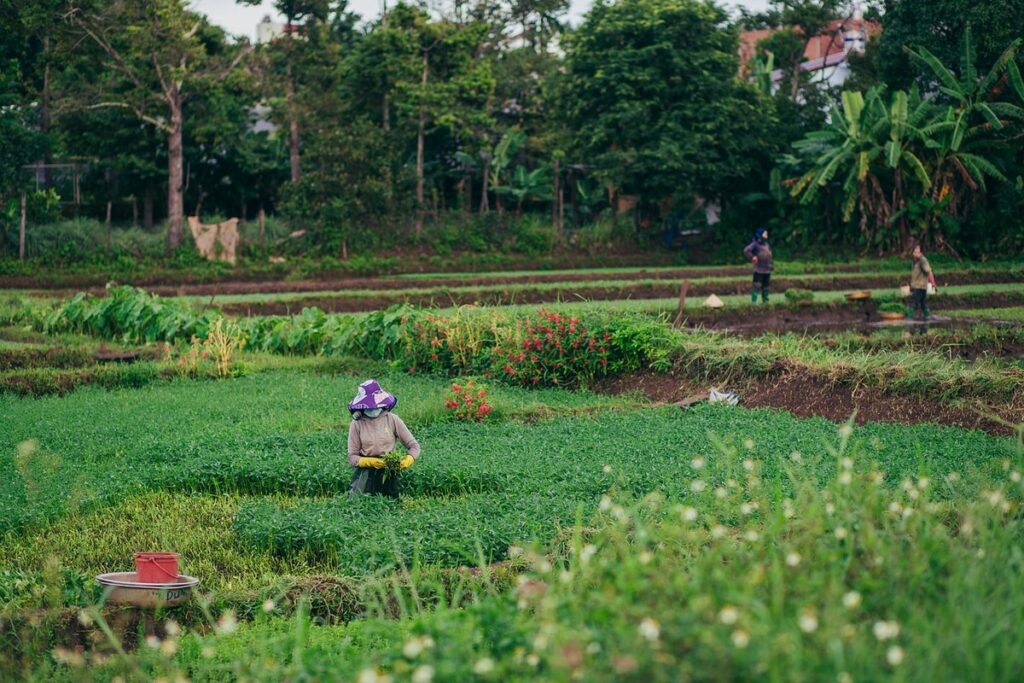
Traditional village life is a treasure trove of cultural heritage, and understanding its significance can help us appreciate the rich diversity of our global community. In this sense, we’re exploring what makes traditional village life so valuable.
Understanding the Importance of Cultural Preservation
Preserving village life traditions is crucial for maintaining cultural identity and community cohesion. When these customs are lost, a sense of continuity with the past disappears. This can lead to erosion of cultural heritage, as younger generations may no longer connect with their ancestors’ ways.
In rural villages, traditional practices often serve multiple purposes: they help people understand their history, provide a sense of belonging among community members, and define local customs that distinguish one village from another. For example, in some African communities, the annual harvest festival is not just a celebration but also a way to honor ancestors and ensure continued fertility of the land.
When traditional practices fade away, communities risk losing more than cultural identity – they may also lose valuable skills and knowledge that have been passed down through generations. This loss can be particularly pronounced in rural areas where modernization often accelerates at a faster pace than in urban centers.
Role of Elders in Passing Down Traditions
Elderly individuals play a vital role in passing down traditional practices to younger generations. They possess invaluable knowledge and experience gained from years of living in harmony with their community’s customs and traditions. By sharing their stories, wisdom, and skills, elders help preserve the cultural heritage of their villages.
In many villages, elderly women are responsible for teaching young girls how to prepare traditional meals, weave clothing, and care for infants. These practical skills are not only essential for daily life but also serve as a way to connect with one’s ancestors and community. For instance, an elderly woman in a rural village might spend hours teaching a young girl the intricacies of making traditional pottery or cooking methods passed down through generations.
To encourage this knowledge-sharing process, communities can establish elder-led workshops or mentorship programs. These initiatives provide younger generations with hands-on experience and opportunities to ask questions and learn from those who have lived through significant historical events. By valuing the wisdom of their elders, villages can safeguard their cultural heritage for years to come.
Celebrations and Festivals in Village Life
Village celebrations are a vibrant reflection of local culture, where traditions blend with fun to create unforgettable experiences for residents and visitors alike. From colorful festivals to intimate community gatherings, these events bring people together in joyous celebration.
Traditional Festivities and Their Significance
In villages around the world, diverse celebrations and festivals bring communities together, showcasing their rich cultural heritage. The Diwali festival in India, for example, symbolizes the triumph of light over darkness, while the Chinese Lunar New Year honors ancestors and ushering in good fortune. Similarly, African countries like Ghana and South Africa celebrate the Yam Festival to commemorate the yam harvest.
These festivities not only have spiritual significance but also play a crucial role in preserving traditional practices and customs. During the Japanese Cherry Blossom Festival, families gather to admire the blossoms’ fleeting beauty, reflecting on the impermanence of life. In rural Mexico, Day of the Dead (Día de Muertos) honors loved ones with vibrant altars and offerings.
Understanding the historical context and cultural importance of these festivals can help preserve village traditions. By learning about local customs, you can gain a deeper appreciation for the community’s heritage and develop a greater sense of respect for its people and practices. For instance, attending a traditional festival or participating in local events allows visitors to immerse themselves in the culture and contribute to its preservation.
Preparing for Special Occasions: Food, Decorations, and More
Preparing for Special Occasions: Food, Decorations, and More
As villages come together to celebrate their unique cultural heritage, traditional preparations play a vital role. One of the most anticipated aspects is the food, often prepared by local cooks who pass down secret recipes through generations. Think fragrant samosas, spicy curries, and sweet desserts made from locally sourced fruits. Decorations are also an essential part of the celebrations, with villagers adorning homes and streets with vibrant colors, lanterns, and intricate patterns.
Music and dance are integral components of village celebrations, often featuring traditional instruments like the dhol or tabla. Communities come together to sing folk songs, accompanied by clapping and rhythmic beats. The air is filled with laughter and chatter as people dress up in their finest attire, showcasing their creativity through embroidery, weaving, and other handicrafts.
To incorporate these traditions into your own celebrations, start by learning about the local culture and its significance. Engage with villagers to understand their customs and learn from their experiences. You can also involve yourself in cooking traditional dishes or helping with decorations to feel more connected to the community. By embracing these practices, you’ll not only enrich your understanding of village life but also contribute to preserving its rich cultural heritage.
Community Engagement and Participation
Building strong relationships within our village community is essential for preserving traditional practices, which is why we’ll explore ways to foster engagement and participation among residents. This involves creating opportunities for people to share their stories and skills.
Involving Villagers in Cultural Activities
Community engagement is a crucial aspect of maintaining traditional practices in village life. When villagers participate in cultural activities, they not only learn and preserve their heritage but also develop a sense of ownership and pride in their community. This participation helps to break the monotony of daily routines and fosters a connection with their roots.
Encouraging participation from villagers of all ages is essential. One way to do this is by making traditional practices accessible and inclusive. For instance, organizing cultural events during weekends or school breaks can ensure that working-age adults and children are available to participate. Similarly, adapting traditional activities for people with disabilities can help make them more inclusive.
Another approach is to involve villagers in the planning process. Ask them about their interests and preferences when organizing cultural events or festivals. This not only ensures that the activities are relevant but also encourages greater participation. By involving villagers in every stage of the planning process, you can create a sense of community ownership and build a strong foundation for preserving traditional practices.
Traditional Crafts and Skills: Passing Down the Knowledge
Woodworking is a traditional craft where elderly villagers often take on an apprentice. The younger generation learns the intricacies of shaping wood into functional items like furniture and tools. Master craftsmen impart their expertise, sharing techniques passed down through generations. This hands-on learning process allows the next generation to build upon their understanding and contribute to the village’s cultural heritage.
Similarly, weaving is another vital skill being preserved in many villages. Elders teach young women the art of spinning yarn from natural fibers like cotton or wool. These skills are not only essential for creating clothing but also for making textiles that serve as a symbol of community identity. The process of passing down these traditions ensures that cultural patterns and designs remain intact, even as modernity influences village life.
In some villages, pottery-making is an integral part of traditional craftsmanship. Skilled artisans share their expertise with younger villagers, who learn the art of shaping clay into functional items like water jars and cooking vessels. These traditional crafts not only provide a sense of continuity but also serve as a source of income for many families.
Challenges Facing Village Life Traditions
As you learn more about preserving village life traditions, it’s essential to acknowledge the challenges that threaten their survival. Modernization and urbanization are among the most significant obstacles facing these timeless customs.
Threats to Cultural Preservation: Urbanization, Globalization, and More
Urbanization and globalization have significantly impacted traditional village life, eroding cultural heritage and community cohesion. As people move to cities for better economic opportunities, they often leave behind their ancestral homes, traditions, and customs. This migration leads to a decline in the number of elderly villagers who pass down knowledge and skills to younger generations.
Globalization has also contributed to the homogenization of cultures as Western influences spread rapidly through media, technology, and international trade. Local industries, such as traditional crafts and agriculture, are often replaced by mass-produced goods, further threatening cultural preservation.
Technological advancements have both positive and negative effects on village life traditions. While digital platforms can connect communities and promote cultural exchange, they also facilitate the commercialization of intangible heritage, reducing its authentic value. For example, local festivals and ceremonies may be repackaged for tourist consumption, losing their original meaning and context. To counter these threats, villagers must actively engage with their cultural heritage, supporting local initiatives that preserve traditional practices and promote sustainable community development.
Strategies for Preserving Traditional Practices in Modern Times
To preserve traditional practices, villages can adapt and blend modern elements with timeless customs. For instance, a village might incorporate digital platforms to promote its heritage, such as online exhibitions or social media campaigns showcasing local craftsmanship. This way, villagers can share their traditions with a wider audience while maintaining control over how they’re presented.
Another approach is to recontextualize traditional practices for the modern era. Instead of abandoning age-old skills, villages can revitalize them by applying new technologies or perspectives. For example, a village might pair its traditional weaving techniques with eco-friendly materials and sustainable production methods, creating unique products that appeal to both local consumers and tourists.
In addition, villagers can establish community-led initiatives to safeguard their cultural heritage. This could involve establishing local museums, archives, or cultural centers where traditions are documented and preserved for future generations. By taking ownership of their cultural preservation, villagers can ensure that traditional practices remain relevant and thriving in the face of modern challenges.
Revitalizing Village Life Traditions
Let’s explore some of the ways that village life traditions can be revitalized, from cultural festivals to traditional crafts and community events. We’ll share inspiring examples from around the world.
Community-Led Initiatives: Success Stories and Best Practices
Community-led initiatives have proven to be a vital force in revitalizing village life traditions. For instance, the rural town of Tsum valley in Nepal saw a significant resurgence in traditional Thakali music and dance thanks to a grassroots effort led by local women’s groups. These groups organized cultural festivals, workshops, and language classes, which not only preserved the community’s heritage but also provided economic opportunities for artisans and performers.
A key factor in their success was the collaboration between community members, local organizations, and government agencies. This partnership allowed them to access funding, expertise, and resources that might have been out of reach otherwise. The initiative also demonstrated the importance of cultural preservation as a tool for rural development.
One best practice that emerged from this project is the need for community-led initiatives to prioritize ownership and agency among local participants. By giving villagers control over their own cultural heritage, these initiatives foster a sense of pride and responsibility, which in turn drives long-term sustainability.
Collaboration Between Villagers, Local Authorities, and Visitors
Effective preservation of village life traditions relies heavily on collaboration between villagers, local authorities, and visitors. Villagers possess a deep understanding of their cultural heritage, but may lack the resources to revive or adapt it for modern audiences. Local authorities can provide crucial support through funding, infrastructure, and policy-making, while visitors bring fresh perspectives and often a desire to engage with local customs.
To foster this collaboration, villagers should establish open channels of communication with both local authorities and visitors. This can be achieved through regular town hall meetings, social media groups, or community events that encourage dialogue and feedback. Visitors, in turn, can demonstrate their commitment by participating in cultural workshops, attending traditional festivals, or simply engaging with locals in their daily lives.
By working together, these stakeholders can identify areas of need, allocate resources effectively, and develop targeted initiatives to preserve and promote village life traditions. For instance, a local authority might provide funding for a cultural festival, while villagers and visitors contribute by organizing performances, crafts, and food stalls that showcase the community’s unique heritage.
Preserving Village Life Traditions for Future Generations
As we explore the richness of village life traditions, let’s consider the efforts being made to safeguard these customs and pass them down through generations. This section looks at successful preservation initiatives.
Educating the Next Generation: Importance and Strategies
Educating younger generations about traditional practices is crucial to preserving village life traditions for future generations. As older community members pass on, their knowledge and skills are at risk of being lost unless intentionally shared with those who will carry them forward. Effective knowledge transfer requires more than just passing down recipes or crafts; it involves understanding the underlying values, customs, and history that shape these practices.
One strategy is to incorporate traditional skills into school curricula, enabling children to learn about their cultural heritage in a structured environment. For example, some villages have established programs where elder community members teach students traditional crafts, such as pottery-making or weaving. This approach not only ensures the continuation of these practices but also fosters intergenerational relationships and a sense of community pride.
Another key strategy is to provide opportunities for young people to participate in and contribute to village life traditions. This can be achieved through apprenticeships, mentorship programs, or simply by involving them in traditional events and activities. By doing so, younger generations develop a deeper understanding and appreciation for their cultural heritage, setting the stage for its continued preservation and evolution.
Sustaining Cultural Heritage Through Technology and Innovation
Technology and innovation can play a vital role in preserving cultural heritage by making it more accessible to a wider audience. For instance, digital platforms can be used to document and showcase traditional village life practices, such as crafts, music, and dance. Online archives can store and provide access to videos, audio recordings, and written accounts of these traditions.
Virtual reality (VR) experiences can also help bridge the gap between the past and present by allowing people to immerse themselves in recreated environments that reflect traditional village life. Museums and cultural institutions can utilize VR technology to create interactive exhibits that engage visitors and convey the significance of these traditions.
In addition, social media platforms have become effective tools for disseminating information about cultural heritage and engaging with local communities. Organizations can use Instagram, Facebook, and other social media channels to share stories, videos, and images related to village life traditions, encouraging people to learn more about their cultural roots. By leveraging technology in this way, it is possible to reach a broader audience and create a sense of shared ownership around preserving these valuable cultural assets.
Frequently Asked Questions
How Can I Get Involved in Preserving Village Life Traditions?
Involving yourself is easier than you think. Start by reaching out to local community organizations or cultural centers that focus on preserving village life traditions. Attend events, participate in workshops, and offer your skills to help with projects that align with your interests. You can also volunteer for initiatives that promote cultural preservation and engage with villagers who are passionate about their heritage.
Can I Use Technology to Help Preserve Village Life Traditions?
Yes. Leveraging technology is a great way to make traditional practices more accessible to a wider audience. Consider creating digital archives of traditional music, dance, or craft-making videos that can be shared online. You can also use social media platforms to document and promote village life traditions, encouraging visitors to engage with the culture.
How Do I Balance Traditional Practices with Modern Needs?
This is a common challenge faced by many villages. The key is finding innovative solutions that preserve cultural heritage while meeting modern needs. For example, you could integrate traditional practices into urban planning or incorporate eco-friendly technologies to reduce environmental impact without sacrificing cultural identity.
What If There’s Limited Funding for Preserving Village Life Traditions?
No funding doesn’t mean no action. Focus on community-led initiatives and involve local authorities to explore funding opportunities. You can also seek partnerships with organizations that support cultural preservation, and look into crowdfunding platforms or grants specifically designed for preserving traditional practices.
Is It Possible to Preserve Village Life Traditions Without Losing Their Authenticity?
Yes. While it’s true that external influences can threaten the authenticity of village life traditions, careful planning and execution can minimize these risks. Involve villagers in all stages of preservation efforts to ensure their voices are heard and their traditions remain true to themselves.