Italy’s official currency is the euro, which it adopted in 1999 as part of the European Union. However, many tourists and expats still find themselves confused about its use and benefits, particularly when comparing it to Italy’s previous currency, the lira. You may be wondering how the changeover from lira to euro affected Italy’s economy, or whether there are any regional differences in currency usage within the country. In this article, we’ll explore the history behind Italy’s transition to the euro, highlighting both its benefits and practical implications for visitors and residents alike. We’ll also examine how the changeover has impacted different regions of Italy, from north to south. By the end of this article, you’ll have a clear understanding of what currency is used in Italy and be better equipped to manage your finances during a trip or when living in the country.
History of Italian Currency
Italy has a rich history with its currency, with several denominations and names changing over time. Let’s take a look at how Italy’s money has evolved from ancient times to the present day.
The Lira Era: A Brief Overview
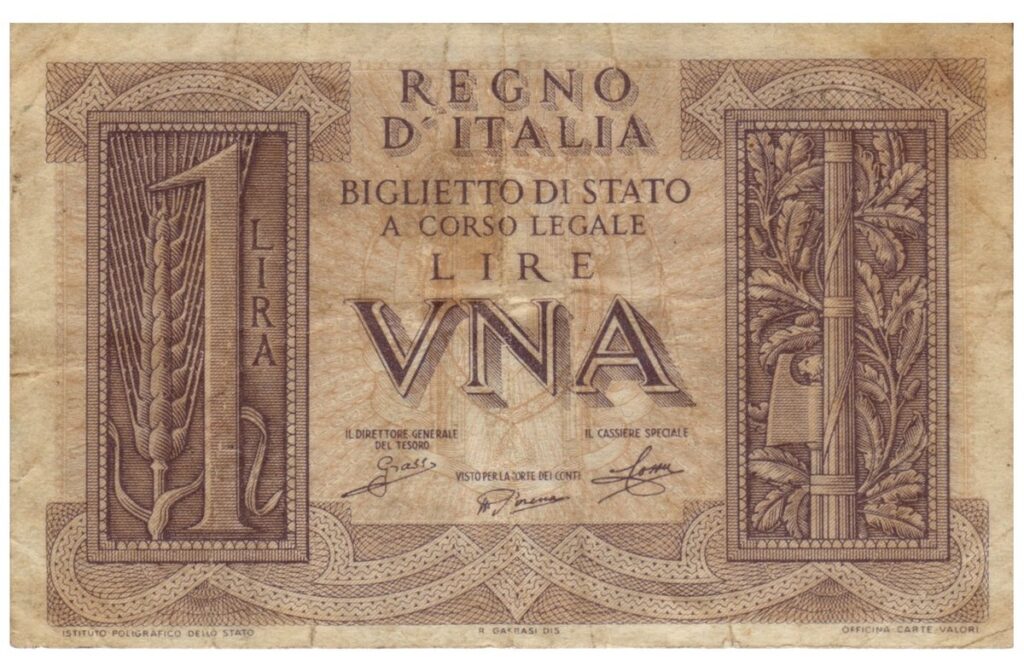
The Italian lira was the official currency of Italy from 1861 to 2002. Introduced by King Victor Emmanuel II, the lira replaced the previous currencies used in various regions of the country. Initially, the lira was pegged to the French franc, but it eventually became a free-floating currency. During its peak, the lira was divided into 100 centesimi, with coins and banknotes available in various denominations.
The lira’s value fluctuated over the years, often influenced by Italy’s economic conditions. In the early 20th century, the lira experienced significant devaluation, leading to widespread inflation. The introduction of the European Monetary System (EMS) in 1979 helped stabilize the lira’s value, but it ultimately contributed to its decline. With Italy’s adoption of the Euro in 1999 and its eventual replacement in 2002, the lira ceased to be the official currency.
Tourists visiting Italy during the lira era would have encountered a mix of coins and banknotes featuring the Italian coat of arms or notable landmarks like the Colosseum. Understanding this brief history can help visitors appreciate the country’s economic evolution and the current use of the Euro in everyday transactions.
Replacing the Lira with the Euro
In 1999, Italy made a significant shift towards adopting the euro as its official currency. The process began several years prior to the transition period, which started on January 1, 1999, and ended with the introduction of physical euro coins and banknotes on January 1, 2002. During this time, both the Italian lira and euro circulated, allowing for a gradual adjustment to the new currency.
The transition period was designed to minimize disruptions to businesses and everyday life. Shops and restaurants initially accepted both currencies, and exchange rates were fixed at a rate of approximately 1,936.27 lire per euro. The Italian government also introduced a range of measures to help citizens adapt to the change, including public awareness campaigns and educational programs in schools.
As the transition progressed, more and more businesses began to rely on the euro exclusively. By January 2002, all remaining lira notes were withdrawn from circulation, marking the official end of Italy’s use of its own currency. Travelers visiting Italy at the time would have seen a mix of both currencies being used, but over time, the euro became the dominant force in Italian commerce and finance.
Current Italian Currency: The Euro
You might be wondering what currency is used in Italy, but rest assured it’s a straightforward one. Italy uses the euro as its official currency, replacing the lira in 2002.
Advantages of Using the Euro
Using the euro as a shared currency has several advantages, particularly for countries like Italy. One of the primary benefits is reduced transaction costs. With a single currency, businesses and individuals avoid the fees associated with exchanging currencies, making international trade and tourism more cost-effective. For example, Italian companies can now export goods to other European countries without incurring foreign exchange losses, while tourists visiting Italy no longer have to worry about converting their money.
Another significant advantage of using the euro is increased economic integration among member states. By sharing a currency, countries like Italy are more closely tied to the European economy, fostering cooperation and promoting stability. This has led to greater economic convergence, with Italy’s economic indicators becoming more aligned with those of other EU countries. As a result, Italian businesses can tap into a larger market, while consumers benefit from increased competition and lower prices. The eurozone’s monetary policy also provides an added layer of economic security for member states, helping to mitigate the impact of economic downturns.
Practical Implications for Tourists and Expats
When traveling to Italy, it’s essential to understand how to use euros efficiently. To start, you’ll likely need to exchange some of your money for euros at a currency exchange office or withdraw euros from an ATM using your debit or credit card.
In Italy, ATMs are widely available and often offer competitive exchange rates. You can find them in cities, towns, and even rural areas. Look for signs that say “Bancomat” or “Cassa di Risparmio,” which indicate that the machine accepts cards from major international networks like Visa, Mastercard, and Maestro.
Credit cards are also widely accepted in Italy, particularly among larger businesses and restaurants. However, it’s still a good idea to have some cash on hand for smaller vendors, market stalls, or rural areas where credit card acceptance might be limited. Many banks and currency exchange offices offer advance notice of any foreign transaction fees associated with your debit or credit cards, so plan accordingly to avoid unexpected charges.
Other Currencies Used in Italy
Italy is a country with a rich history of currency use, and while the Euro is widely accepted, there are other currencies you may encounter when traveling to the region.
Regional and Communal Currencies
Italy’s regional and communal currencies have a long history, with some existing since World War II. These alternative currencies are used alongside the Euro within specific regions or communities, often to promote local economic development and sustainability. The Chiemgauer, introduced in 1993 in southern Germany near the Italian border, has inspired similar initiatives in Italy.
The Wörgl experiment in Austria’s neighboring Tyrol province also influenced Italian regional currency projects. In Abruzzo, for instance, the Arianna is used to stimulate local trade and commerce. Residents can obtain these currencies by exchanging euros at a fixed rate, which are then accepted as payment within participating businesses.
While benefits include supporting local producers and services, the use of multiple currencies complicates everyday transactions. Most businesses accept both euros and regional currencies, but some merchants may not always be willing to exchange or accept them. This can lead to confusion, especially for tourists unaware of these alternative systems. When visiting areas with regional currencies, it’s essential to familiarize yourself with local customs and exchange rates to avoid any inconvenience.
Alternative Payment Methods and Virtual Currencies
In addition to the Euro, several alternative payment methods and virtual currencies have gained acceptance in Italy. Cryptocurrencies like Bitcoin are increasingly being accepted by some Italian businesses, particularly those in the tech and tourism sectors. However, it’s essential to note that cryptocurrency adoption is still limited, and most Italians continue to rely on traditional payment methods.
Some mobile wallets, such as PayPal and Apple Pay, also offer convenient payment options for tourists and locals alike. In fact, many major retailers and restaurants in Italy accept PayPal as a form of payment. Additionally, some Italian banks have partnered with fintech companies to provide mobile wallet services that allow users to make payments using their smartphones.
While these alternative payment methods are becoming more widespread, it’s still crucial for travelers to carry some cash, especially when visiting smaller towns or rural areas where digital payment options might not be available. It’s also worth checking whether a specific business accepts cryptocurrencies or mobile wallets before attempting to use them as a form of payment.
Understanding Euro Denominations
Now that you know Italy uses the euro, it’s time to get familiar with its various denominations and learn how to spot them easily. Let’s take a closer look at the coins and banknotes in circulation.
Common Euro Bills and Coins
The euro banknotes and coins you’ll encounter in Italy come in various denominations. The standard banknotes are €5, €10, €20, €50, and €100. These notes differ slightly in size and color to help distinguish them. For example, the €20 note features a portrait of Enrico Mattei, while the €100 note features a portrait of Hendrik Frensch Verhuell. Coins include the €0.01, €0.02, €0.05, €0.10, €0.20, and €0.50 denominations. The €1 coin is also in circulation but can be less common.
When receiving cash from a vendor or machine, you may receive a mix of coins and banknotes. Try to keep your larger bills separate from your smaller ones to avoid confusion when making purchases. Some merchants might not accept high-denomination notes like the €50 or €100, so it’s essential to have a combination of lower-denomination notes on hand.
When traveling, you may also encounter commemorative coins in circulation. These special-issue coins are marked with unique designs and mint marks. They’re often collected by enthusiasts but can still be used for everyday transactions.
Rare or Collectible Currency Notes
Italy has a rich history of issuing currency notes, some of which have become rare and highly collectible. The Banca d’Italia, Italy’s central bank, issued various denominations from 1861 to 2002, when the euro replaced the lira as the official currency.
One notable example is the 1 lira note featuring a portrait of Victor Emmanuel III, issued in 1945 during World War II. This note is highly sought after by collectors due to its historical significance and rarity. Another rare issue is the 1000 lira note from 1963, featuring a portrait of Alcide De Gasperi, one of Italy’s founding fathers.
These notes are not only valuable due to their scarcity but also because they provide a glimpse into Italy’s past and its significant events. For collectors and enthusiasts, acquiring these rare notes can be a challenge. It’s essential to research reputable dealers and auctions to ensure authenticity and avoid forgeries. Some notable auction houses that specialize in Italian currency include Sotheby’s and Christie’s.
Financial Transactions in Italy
You’re planning a trip to Italy and want to know how to handle financial transactions while you’re there. We’ll take a closer look at what you can expect when using your money abroad.
Banking System Overview
Italy’s banking system is dominated by a few major commercial banks, including Intesa Sanpaolo, UniCredit, and Banco BPM. These banks have a strong presence across the country, but regional differences exist, particularly in the north-south divide. In the northern regions of Lombardy and Piedmont, for example, there is a higher concentration of large international banks.
In recent years, online banking has become increasingly popular in Italy, with many banks offering mobile apps that allow users to manage their accounts remotely. This shift towards digital banking has been driven by a desire for greater convenience and flexibility, particularly among younger Italians. In fact, research suggests that over 70% of Italian bank customers use online services at least once a week.
Despite the growth in online banking, traditional branch-based banking is still common in Italy, particularly in rural areas where access to digital infrastructure can be limited. As a result, it’s essential for visitors and residents alike to have a good understanding of which banks offer the most convenient services for their needs.
Credit Cards and Debit Cards
In Italy, credit cards and debit cards are widely accepted, especially among larger businesses and merchants. Many restaurants, cafes, and shops accept major international credit card brands like Visa, Mastercard, and American Express. However, it’s essential to note that some smaller, family-owned establishments may not accept foreign credit cards.
When using a credit or debit card in Italy, you’ll often encounter payment systems like Maestro and Bancomat. Maestro is a debit card system widely used throughout the EU, allowing users to withdraw cash from ATMs and make purchases at participating merchants. Bancomat is a network of ATMs operated by Banca Monte dei Paschi di Siena, one of Italy’s largest banks. You can use your debit or credit card to withdraw cash from a Bancomat ATM.
To minimize potential issues with foreign cards, inform your bank before traveling to Italy that you’ll be using your card abroad. This will help prevent any transactions being flagged as suspicious. Additionally, consider carrying a combination of Euros and an easily accessible credit card for emergency situations. By understanding how credit and debit cards work in Italy, you can avoid unnecessary complications during your trip.
Regional Economic Differences
Italy has a diverse economy, varying significantly from north to south. Each region has its own unique economic characteristics that impact local life and visitor experiences.
North-South Divide: A Look at Regional Economies
Italy’s economy exhibits a distinct north-south divide, with significant disparities between the northern and southern regions. The country’s GDP per capita is highest in the north, particularly in regions such as Lombardy and Piedmont, which are home to major industrial centers like Milan and Turin. In contrast, southern regions like Campania, Calabria, and Sicily tend to have lower GDPs.
This divide has a direct impact on currency usage in Italy. The northern regions tend to have more affluent populations, who often prefer to use credit cards or digital payment methods for everyday transactions. However, in the south, where cash is still king, many small businesses and local vendors rely heavily on cash payments. This regional difference in economic development is also reflected in the types of jobs available, with northern regions having a higher concentration of high-skilled employment opportunities.
Tourists visiting Italy should be aware of these regional differences when planning their itinerary or budgeting for expenses. For example, those traveling to the north may find that cashless transactions are more prevalent, while in the south, it’s essential to have some local currency on hand, especially when interacting with small businesses or street vendors.
Local Trading Systems and Complementary Currencies
In some Italian regions and communities, local trading systems and complementary currencies are gaining traction. These initiatives aim to promote economic self-sufficiency and community engagement by creating alternative exchange mechanisms. One notable example is the Chiemgauer, a complementary currency used in the province of Chieti. It allows residents to save 10-20% of their euros and spend them within the region.
The Chiemgauer operates as an alternative to the traditional euro-based economy. Its users can choose to receive a portion of their income in Chiemgaurs, which can be used for local goods and services. This approach encourages community members to prioritize regional commerce and reduce dependence on external currencies. The Chiemgauer also incentivizes small businesses and farmers to participate in the local economy.
In addition to the Chiemgauer, other Italian regions have experimented with time banks and exchange platforms. These systems focus on exchanging skills or services rather than monetary values. For instance, a person may trade an hour of language lessons for an hour of gardening work. These initiatives foster social connections and mutual support within local communities.
Conclusion
In conclusion, Italy’s official currency is the Euro. As of 1999, Italy, along with other European countries, adopted the Euro as its single currency, replacing the Lira. Since then, the Euro has been widely accepted across the country and used for all financial transactions. Travelers can easily exchange their money at banks or currency exchange offices, and most businesses accept major credit cards.
To avoid any confusion when traveling to Italy, it’s essential to have some local currency on hand, especially during the initial stages of your trip. You can withdraw Euros from ATMs using your debit card or purchase a prepaid currency card before arriving in Italy. Additionally, many tourist areas and popular destinations now accept contactless payments, making it even easier for visitors to navigate the country without worrying about currency exchange rates or availability. With some basic preparation, you’ll be able to seamlessly integrate into Italian culture and make the most of your trip.
Frequently Asked Questions
Can I still use my old lira coins and bills in Italy?
Yes, although the euro replaced the lira as official currency in 2002, it’s possible to exchange or spend leftover lira notes and coins. Some businesses may accept them for nostalgic reasons or due to their cultural significance.
How long will it take for me to get used to euros when living in Italy?
It usually takes a few weeks for your brain to adjust to the new currency. Be patient, and you’ll soon become familiar with euro denominations, banknote sizes, and common payment methods like Bancomat or Maestro.
Are there any areas in Italy where I can use alternative currencies like cryptocurrencies?
Yes, some regions and cities in Italy are open to experimenting with cryptocurrencies and mobile wallets for local transactions. However, this is not a widespread phenomenon, and traditional euros remain the most widely accepted currency nationwide.
Can I withdraw euros from ATMs using my debit card from abroad?
Yes, many Italian ATMs accept foreign-issued debit cards, but be aware that you might incur some fees or exchange rate charges. Check with your bank to see if they offer any international fee-free policies or favorable exchange rates.
Will Italy introduce a new currency in the near future, replacing the euro?
No, there are no current plans or serious discussions about abandoning the euro for another national currency. Italy has benefited from economic integration and reduced transaction costs through its adoption of the euro in 1999.