Traditional homes in Germany are more than just physical structures, they’re a reflection of the country’s rich cultural heritage. From the Bavarian Alps to the North Sea coast, each region has its own unique architectural style and traditional building techniques that have been passed down through generations. For example, in the south, you’ll find ornate half-timbered houses with steeply pitched roofs, while in the north, the architecture is often more minimalist and influenced by Dutch design. Despite modernization efforts, many Germans continue to prioritize preserving their traditional homes, not just for their historical significance but also for their environmental sustainability and community ties. In this article, we’ll explore the history, cultural importance, and characteristics of these iconic dwellings, including regional variations, modern interpretations, and revivals that are redefining what it means to live in a traditional German home.
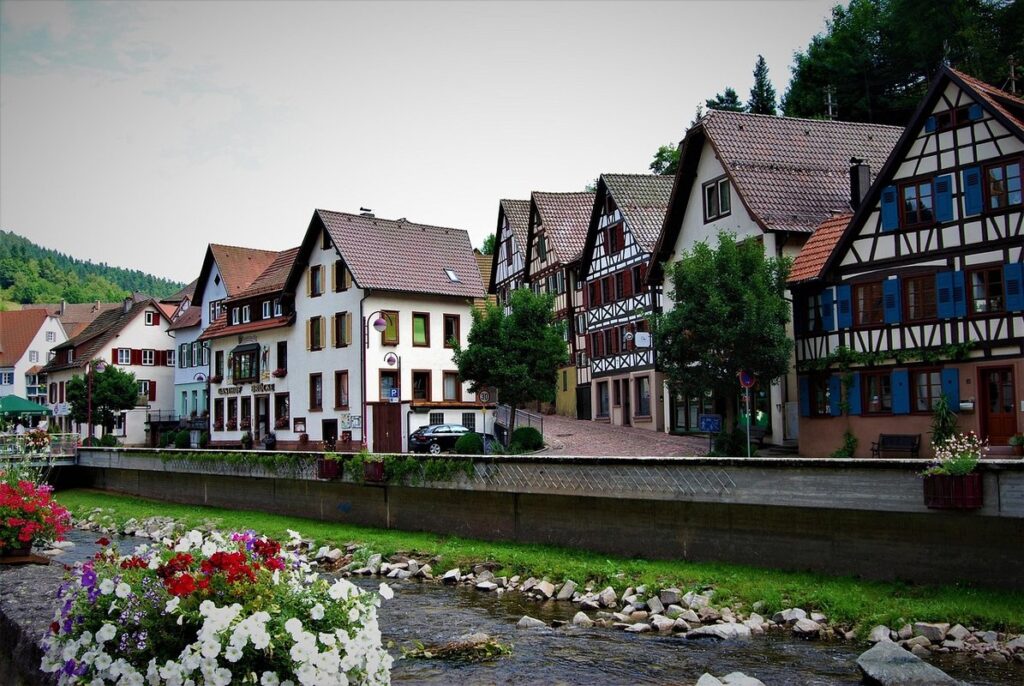
History and Cultural Significance
From rustic timber-framed houses to grand Baroque palaces, traditional homes in Germany have a rich history and deep cultural roots that are still celebrated today. Let’s take a closer look at their significance.
The Evolution of Traditional German Architecture
Traditional German architecture has undergone significant transformations over the centuries. The Middle Ages saw the rise of half-timbered houses, characterized by exposed wooden beams and decorative facades, which became a defining feature of German towns like Rothenburg ob der Tauber. The Renaissance brought Italianate influences, with ornate decorations and archways appearing in buildings such as Nuremberg’s Castle Church.
The 19th century saw the emergence of Romanticism, which emphasized regional distinctiveness and historical authenticity. This movement led to the preservation and revival of traditional building styles, particularly in rural areas. For instance, the Bavarian Alps’ chalet-style houses, with their steeply pitched roofs and rustic facades, became a symbol of local identity.
The Industrial Revolution introduced new materials and techniques, such as concrete and steel, which gradually replaced traditional wood construction methods. However, many historic buildings were preserved or rebuilt using these modern materials to maintain their original character. Today, Germany’s rich architectural heritage is protected by strict preservation laws, ensuring that its historical districts and landmarks remain authentic and vibrant.
Regional Variations and Influences
Germany’s diverse regions have shaped its traditional architecture, reflecting local climates, resources, and cultural exchange. The Alps, for instance, have influenced Bavarian homes with their heavy timbers, steeply pitched roofs, and decorative wooden facades. These features also appear in Austrian and Swiss chalets.
In contrast, the North Sea coast has inspired a more maritime-influenced style, often featuring exposed beams, brickwork, and narrow windows to withstand harsh sea winds. The Hanseatic League’s trading legacy can be seen in Northern German cities like Hamburg and Lübeck, where half-timbered houses with ornate gables and steeply pitched roofs reflect the region’s rich mercantile history.
Cultural exchange has also played a significant role in shaping regional variations. For example, the Gothic Revival style of the 19th century influenced many traditional homes, particularly in Eastern Germany. Additionally, the Prussian influence on Northern German architecture is evident in its more severe and symmetrical designs.
When exploring traditional German homes, it’s essential to consider these regional influences and variations. By understanding the local context, you can appreciate the nuances of each region’s unique architectural style.
Cultural Significance and Symbolism
In traditional German homes, design elements often convey cultural significance and symbolism. For instance, the steeply pitched roofs found in southern Germany’s Bavarian region are not only functional but also represent protection from harsh winters and association with local craftsmanship. The use of half-timbering, a technique where wooden beams are exposed on the exterior, can signify wealth and status.
In rural areas, traditional homes often feature ornate facades adorned with intricate carvings or murals, which serve as visual storytelling and display family history. These decorative elements not only beautify the structure but also reflect the family’s cultural heritage and values.
The choice of building materials, such as brick or stone, can also carry symbolic meaning. For example, in some regions, brick is associated with warmth and coziness, while stone represents durability and resilience. In traditional German homes, these design choices are often made with intentionality, reflecting the family’s cultural identity and values.
The placement of specific architectural elements, such as doorways or windows, can also hold symbolic significance. For example, a doorway positioned under a balcony or bay window may be intended to catch sunlight and welcome natural light into the home, signifying hospitality and warmth.
Characteristics and Features
German traditional homes are known for their unique characteristics, such as half-timbered facades and steeply pitched roofs. Let’s take a closer look at what makes these homes so distinctive.
Typical Building Materials and Techniques
Timber framing is a fundamental technique in traditional German construction. Characterized by exposed wooden beams and posts, it allows for natural light to pour into the interior spaces while showcasing the craftsmanship of the builders. Half-timbering, a variant of timber framing, involves filling the gaps between the wooden framework with brickwork or stonework. This method not only adds structural integrity but also creates visually striking patterns on the exterior facades.
Local hardwoods such as oak and beech are often used for the frame due to their durability and resistance to rot. The use of these materials is also driven by environmental considerations, as they can be sustainably sourced from nearby forests. In addition to timber framing and half-timbering, traditional German builders also employ techniques like Fachwerk (brickwork with exposed wooden beams) and Blockbau (log construction). These methods, though labor-intensive, result in homes that not only withstand the test of time but also become integral parts of their surroundings.
Architectural Styles and Designs
Fachwerk, a traditional German architectural style, is characterized by its exposed wooden framework. This unique feature allows for natural light to pour in through the gaps between the beams, creating a warm and inviting atmosphere inside. Fachwerk homes often have a rustic charm that’s quintessentially German.
Another distinctive feature of traditional German architecture is the Mansard roof. This type of roof has two slopes on each side, with the lower slope being steeper than the upper one. The Mansard roof provides additional space for storage or living areas and was often used in urban homes where space was limited.
Regional variations also play a significant role in shaping traditional German architectural styles. For example, in Bavaria, you’ll find many half-timbered houses with intricate wood carvings, while in other regions, such as Swabia, the focus is on stone construction and ornate decorations.
Interior Design and Layouts
Cozy nooks and fireplaces are staples of traditional German home interiors. These inviting spaces often feature plush armchairs, intricately carved wooden furniture, and warm lighting. The fireplace, typically situated in a central location, is the heart of the room, providing warmth and comfort during the cold winter months. In many homes, a small reading nook or sitting area is tucked away in a corner, perfect for curling up with a good book.
Traditional German interiors often prioritize functionality over form, with an emphasis on practicality and simplicity. This is reflected in the use of multi-functional furniture pieces, such as storage ottomans and built-in shelves. In some homes, you’ll find a small kitchen nook or breakfast area, where family members can gather to share meals together.
In terms of layout, traditional German homes often feature an open-plan living area, with the kitchen and dining spaces flowing seamlessly into one another. This design allows for easy communication between family members and makes the most of available space. In smaller homes, a clever use of vertical space is crucial, with tall ceilings and floor-to-ceiling windows creating a sense of airiness and lightness.
Regional Specialties and Examples
From Bavarian chalets to Hamburg’s Finkentor style, regional specialties of traditional German homes showcase unique architectural flair that varies greatly from one region to another. Let’s take a closer look at some examples.
Bavarian Traditional Homes
Bavarian traditional homes are a quintessential representation of German architecture. Characterized by their steeply pitched roofs and ornate facades, these homes often feature wooden shutters and balconies adorned with intricate carvings. The region’s unique blend of Gothic, Renaissance, and Baroque styles is evident in the use of half-timbering, which involves exposing the wooden frame of the building.
A hallmark of Bavarian traditional homes is their use of natural materials, such as larch wood, stone, and clay tile. This emphasis on local materials not only reflects the region’s rich cultural heritage but also provides a sustainable approach to building design. In fact, many modern builders are incorporating these eco-friendly elements into their designs.
In terms of layout, Bavarian traditional homes often feature a central hallway (Eingangshalle) with a staircase leading up to the living quarters. The living room (Sitzungszimmer) typically has large windows and a stone fireplace, while the kitchen (Küche) is often located in a separate wing or at the back of the house.
Some notable examples of Bavarian traditional homes include the Chiemgau region’s distinctive chalet-style houses and the picturesque farmhouses found throughout the countryside.
Swabian and Franconian Traditions
In the Swabian and Franconian regions of southern Germany, traditional homes reflect the cultural heritage of their respective areas. The Swabian region, located in the southwestern part of the country, is characterized by half-timbered houses with steeply pitched roofs, often featuring decorative facades made from wood or stone. These homes are typically built using local materials such as brick, wood, and thatch.
In contrast to other regional styles, Swabian homes tend to have a more compact and intimate layout, often featuring a central courtyard or a small garden. This design choice is influenced by the region’s history of self-sufficiency and agricultural practices. Franconian homes, on the other hand, are known for their ornate stone facades and intricate brickwork patterns.
Both Swabian and Franconian traditional homes share a common thread in their emphasis on regional materials and craftsmanship. However, they differ significantly from Bavarian homes in terms of architecture and design. When restoring or renovating a home in these regions, it’s essential to respect the local building traditions and incorporate sustainable practices to maintain the homes’ cultural authenticity.
Coastal and Island Homes
The traditional homes found along Germany’s coastlines and islands are a unique blend of maritime culture and geography. In regions like Friesland, where the sea has shaped the landscape for centuries, homes often feature steeply pitched roofs to withstand strong winds and heavy rainfall. The use of local materials such as weather-resistant wood and brick is also common in coastal areas.
In island communities like Sylt, traditional homes are designed to make the most of natural light and ventilation due to limited space. Large windows and open floor plans allow for a seamless transition between indoors and outdoors. This design approach not only maximizes living space but also connects residents with the surrounding marine environment.
One notable example is the Friesian house type known as the “Wattenschiff,” which dates back to the 17th century. Characterized by its distinctive roofline and use of local materials, this style has been adapted for modern coastal living while maintaining its traditional charm.
Modern Interpretations and Revivals
German architects are reimagining traditional homes with modern twists, blending old-world charm with sleek, contemporary design elements that pay homage to heritage. This creative fusion is changing the face of German architecture.
Contemporary Design Trends
Modern design trends are increasingly influencing the construction of new homes inspired by traditional German architecture. One notable trend is the incorporation of sustainable materials and energy-efficient features, such as solar panels and passive house designs. These elements not only reduce a home’s carbon footprint but also enhance its aesthetic appeal.
For instance, many contemporary German builders are using reclaimed wood from old barns or forests to create unique and eco-friendly features like exposed beam ceilings or wooden paneling. This approach not only reduces waste but also adds character to the interior design.
Another trend is the fusion of traditional elements with modern clean lines and minimalist styles. This can be seen in the use of black steel windows, which provide a sleek contrast to the historic façade of a traditional German house. The result is a harmonious blend of past and present that honors the original architecture while also showcasing the owner’s personal taste.
Innovative builders are also experimenting with new materials like reclaimed stone or brick, which can be used to create striking features like accent walls or fireplace surrounds. By combining these modern elements with traditional craftsmanship and attention to detail, homeowners can create unique spaces that celebrate German heritage while embracing contemporary style.
Conservation Efforts and Restorations
In recent years, there has been a significant surge in conservation efforts and restorations of traditional German homes. This movement is driven by a growing awareness of the importance of preserving cultural heritage and historical architecture. Successful projects can be seen in various regions across Germany, such as the restoration of the medieval town hall in Lübeck, which was completed in 2015.
The Association for the Preservation of Historic Buildings (Denkmalschutzverein) is a key player in promoting conservation efforts and providing resources for homeowners and local communities. This organization works closely with local authorities to identify and protect historic buildings from neglect or demolition.
Some notable examples of restoration projects include the renovation of the 17th-century Schloss Neuschwanstein, which aimed to preserve its original architecture while incorporating modern amenities. Another example is the rebuilding of the town of Dresden’s Frauenkirche, which was destroyed during World War II and reconstructed using traditional techniques and materials.
These initiatives demonstrate that it is possible to balance preservation with functionality, making historic homes livable for modern families without sacrificing their unique character.
Innovative Applications and Adaptaions
Innovative applications and adaptations of traditional German architecture are emerging in modern contexts. Sustainable building practices, for instance, have led to the incorporation of environmentally friendly materials and techniques into traditional designs. Some builders now use locally sourced wood, low-carbon concrete, and recycled materials to minimize environmental impact.
Other innovative approaches include integrating solar panels, wind turbines, or geothermal systems into traditional homes. This not only reduces energy consumption but also preserves the original architecture’s character. A small minority of architects are experimenting with sustainable design elements while maintaining the historic integrity of the buildings.
When renovating or building a traditional German home, consider incorporating passive house principles to reduce energy needs. This can be achieved by optimizing insulation, using triple-glazed windows, and designing for natural ventilation. By balancing modern demands with traditional aesthetics, homeowners can create spaces that are both environmentally conscious and culturally rich.
Frequently Asked Questions
Can I replicate traditional German home architecture in my own country?
Yes. While the specific regional variations and historical influences may be unique to Germany, many of the architectural styles and design principles can be adapted to suit local building codes and climate conditions. With careful research and consideration of local regulations, it’s possible to create a traditional-inspired home that still meets modern needs.
What if I want to incorporate elements from multiple regions into my home?
Incorporating elements from different regional traditions is not only possible but also encouraged. German architecture has a rich history of fusion and adaptation, so feel free to mix and match styles to suit your personal taste and needs. Consider factors like climate, local building materials, and cultural influences when combining elements from different regions.
How do I balance preserving traditional features with modernizing my home?
A balance between preservation and modernization can be achieved through thoughtful renovation and restoration efforts. Consult local experts or preservation societies for guidance on how to maintain original features while introducing necessary updates. This might involve salvaging original materials, incorporating sustainable building practices, or using advanced technologies to enhance the home’s efficiency.
Can I apply traditional German architecture principles to non-residential buildings?
Yes. While traditional German homes are often associated with residential structures, many of the design principles and architectural styles can be applied to commercial or public buildings. Consider factors like function, climate, and local regulations when adapting traditional designs for non-residential purposes. This might involve incorporating elements like timber framing, half-timbering, or Mansard roofs into office spaces, restaurants, or other public areas.
What if I’m building on a tight budget – are there cost-effective ways to incorporate traditional German design elements?
Yes. While some traditional materials and techniques can be costly, there are many affordable options available for incorporating authentic design elements. Consider using locally sourced materials, repurposing reclaimed wood, or opting for simplified versions of traditional designs. Additionally, consult local builders or contractors who specialize in traditional construction methods to find cost-effective solutions that meet your budget constraints.