Germany is home to some of the most breathtaking traditional architecture in the world. Imagine strolling through cobblestone streets lined with half-timbered houses, their wooden beams and brickwork a testament to centuries of craftsmanship. These iconic buildings have been standing for generations, each one a unique reflection of German heritage. But what makes these traditional homes so special? Not only do they offer a glimpse into the country’s rich history, but they also showcase the enduring design elements that continue to inspire modern adaptations. From medieval castles to rustic farmhouses, Germany’s traditional homes are more than just quaint relics – they’re living examples of how architecture can blend tradition with innovation. By exploring these authentic homes, you’ll gain a deeper understanding of their evolution and how they remain relevant in today’s world, allowing you to appreciate the beauty of German traditional homes for what they truly are: timeless masterpieces that continue to shape the country’s architectural identity.
Understanding German Traditional Homes
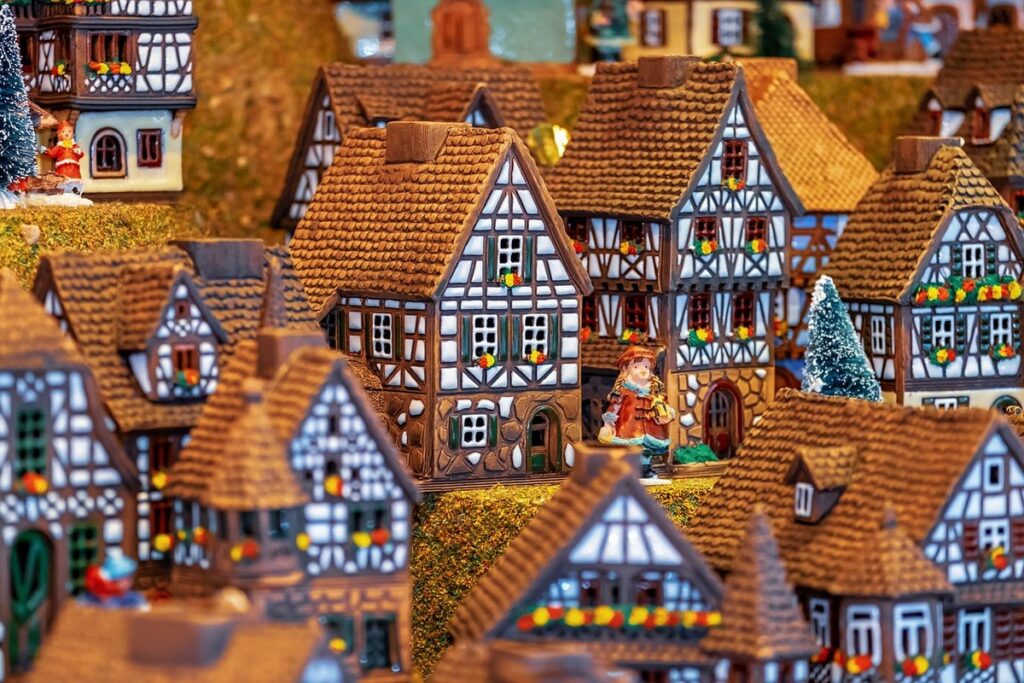
German traditional homes often feature steeply pitched roofs, half-timbering, and ornate facades that reflect the country’s rich cultural heritage.
These architectural elements are a key part of what makes German traditional homes so distinctive.
The History of German Architecture
German architecture has a rich history dating back to the Middle Ages. During this period, the influence of Christianity and feudalism shaped building styles, with half-timbered houses becoming a staple feature in many towns. The use of exposed timber frames, known as Fachwerkhäuser, was also prevalent during this time. These structures were not only aesthetically pleasing but also provided insulation against harsh winters.
The 16th and 17th centuries saw the rise of Baroque architecture, which introduced grandiose features such as sweeping staircases and ornate facades. However, with the Thirty Years’ War, many buildings suffered damage or destruction, leading to a shift towards more practical designs. In the 18th century, Rococo styles gained popularity, characterized by intricate plasterwork and curved lines.
Throughout its evolution, German architecture has been influenced by various factors, including climate, geography, and cultural exchange. The use of local materials such as brick, stone, and timber remains a defining feature of traditional German homes. Understanding the historical context behind these structures can provide valuable insights into their design and construction.
Regional Variations in German Traditions
Germany’s regional diversity is reflected in its architectural traditions. Bavaria, with its rich Alpine heritage, boasts half-timbered houses adorned with ornate wood carvings and brightly colored facades. In contrast, the Swabian region exhibits a more austere style, characterized by simple, rectangular buildings with steeply pitched roofs.
The Saxon region, situated in eastern Germany, is known for its medieval-inspired architecture, featuring thick stone walls and Gothic-style windows. The picturesque villages of the Black Forest display a unique blend of half-timbered and timber-framed structures, often topped with distinctive wooden spires.
Regional styles are not limited to these examples. Other notable traditions include the Hanseatic cities’ use of brick and sandstone facades, and the Romantic-era architecture found in Baden-Württemberg’s rural areas. Understanding these regional variations can help visitors identify authentic architectural styles when exploring Germany’s traditional homes.
Some notable examples of regional styles include:
- The Burgenland region’s unique blend of Austrian and German influences
- The Mecklenburg-Vorpommern region’s use of brick and half-timbered construction
- The Hesse region’s medieval-inspired castles and fortifications
Types of Traditional German Homes
One type of traditional German home is the Fachwerkhaus, characterized by its half-timbered exterior and rustic charm. Another classic example is the Bauernhaus, a simple yet cozy farmhouse design that’s quintessentially German.
Half-Timbered Houses (Fachwerkhäuser)
Half-timbered houses (Fachwerkhäuser) are a quintessential feature of Germany’s traditional architecture. These buildings have been constructed using a framework of wooden beams exposed on the exterior, with fillings made from brick, stone, or other materials. The earliest examples date back to the Middle Ages, but they remain a popular choice for modern construction due to their unique aesthetic appeal.
One of the key advantages of half-timbered houses is their ability to showcase the craftsmanship of the builder. Exposed wooden beams and intricate joinery create a visually striking exterior that reflects the skill and attention to detail of the artisans involved in its construction. However, this design choice also presents challenges when it comes to maintenance and repair.
As with any traditional building method, half-timbered houses require regular upkeep to ensure their structural integrity. This includes periodic inspections for signs of wear or damage to the wooden framework, as well as targeted repairs to maintain their appearance. In modern adaptations, architects are often incorporating sustainable materials and energy-efficient designs while still preserving the essence of this traditional style.
In recent years, some builders have experimented with using modern materials, such as steel or aluminum frames, in place of traditional wood. This allows for greater flexibility in design while maintaining the exposed beam aesthetic that characterizes half-timbered houses.
Medieval-Style Castles and Fortifications
Germany’s medieval heritage is alive and well in its iconic castles and fortifications. From Neuschwanstein Castle to Heidelberg Castle, these imposing structures have become synonymous with German architecture. However, it’s not just their grandeur that makes them significant – their design and construction offer valuable insights into the country’s history.
Many of Germany’s medieval castles were built as defensive strongholds, showcasing a blend of Romanesque and Gothic styles. The use of thick walls, narrow windows, and watchtowers was designed to protect against invaders, while the incorporation of courtyards and battlements added an air of nobility. Take, for instance, the 19th-century reconstruction of Neuschwanstein Castle, which drew inspiration from medieval architecture to create a fairytale-like atmosphere.
For those interested in exploring these architectural marvels, consider visiting the following notable castles: Eltz Castle, Marksburg Castle, and Reichenstein Castle. These structures not only offer stunning views but also provide a glimpse into Germany’s rich cultural heritage.
Architectural Features of Traditional German Homes
German homes are characterized by their use of exposed beams, half-timbering, and ornate wooden details that add a touch of rustic charm to any room. These architectural features create a cozy atmosphere.
Steeply Pitched Roofs (Spitzdach)
A traditional German home’s roof is often its most striking feature, and the steeply pitched Spitzdach is a hallmark of authentic architecture. In regions prone to heavy snowfall, such as the Alps or Bavaria, this design serves a crucial purpose: it allows snow to slide off easily, preventing damage to the structure.
The Spitzdach’s characteristic sharp angle also enhances its aesthetic appeal. The steep slope creates a dramatic silhouette, with a clear distinction between the roof and wall. This visual effect is further accentuated by decorative elements like finials or ornate ridge tiles. In Germany, notable examples of Spitzdach roofs can be found in medieval towns like Rothenburg ob der Tauber or Heidelberg’s old town.
When choosing materials for your own Spitzdach roof, consider local traditions and the climate. Historically, cedar shingles were a popular choice due to their durability and resistance to rot. Modern alternatives include zinc or slate tiles, which offer similar benefits while being more eco-friendly. When restoring an existing Spitzdach roof, prioritize preserving its original character while incorporating sustainable materials where possible.
Decorative Elements (Schmuckelemente)
Intricate wood carvings, stained glass windows, and gabled facades are just a few of the ornate decorative elements commonly found in traditional German homes. These embellishments not only add visual appeal but also serve as important historical and cultural signifiers.
One notable feature is the use of wooden ornaments, such as cornice brackets, pilasters, and capitals. These intricately carved elements often depict mythological creatures, floral patterns, or other symbolic motifs that reflect the region’s heritage. For example, in southern Germany, you might find wood carvings inspired by the country’s rich folk art tradition.
Stained glass windows are another prized feature of traditional German homes. Often designed to filter natural light and showcase vibrant colors, these windows can be simple or elaborate, with intricate patterns and designs that add visual interest to interior spaces. Gabled facades, characterized by a central gable flanked by two smaller ones, also provide an opportunity for decorative flourishes, such as carved wooden finials or ornate metalwork.
When restoring or building a traditional German home, consider incorporating these decorative elements to create a sense of authenticity and visual harmony. However, be mindful of the region’s specific architectural traditions and historical context to ensure that your design choices are respectful and accurate.
Sustainability and Modern Adaptations
As you explore traditional German homes, you’ll notice how modern adaptations have improved sustainability without sacrificing the authentic character of these historic buildings. We’ll examine some innovative examples.
Energy Efficiency in Traditional Homes
Traditional German architecture has a rich history of incorporating energy-efficient design elements, despite not being the primary focus. For instance, thick stone walls and well-insulated windows were used to conserve heat during harsh winters. To meet modern energy efficiency standards, retrofitting techniques can be applied to these traditional homes. This involves updating insulation materials, such as installing cavity wall insulation in older buildings or using breathable membranes to improve air tightness.
Innovative materials are also being integrated into traditional German architecture. For example, reclaimed wood and sustainable roofing materials like sedum roofs, which provide natural insulation and reduce energy consumption, are increasingly popular. Additionally, some homeowners are incorporating modern solar panels and biomass systems to power their homes while maintaining the original aesthetic appeal. By combining these retrofitted elements with new materials, traditional German architecture can be adapted to meet modern energy efficiency standards without sacrificing its unique charm.
Incorporating Sustainable Materials
When incorporating sustainable materials into new constructions inspired by traditional German homes, architects and builders often look to natural insulation options like sheep’s wool and recycled denim. These materials not only reduce energy consumption but also create healthier indoor environments. For instance, the Haus der Zukunft (House of the Future) in Germany features a façade made from FSC-certified wood cladding, which provides excellent thermal performance while minimizing visual impact.
Green roofs have also become increasingly popular, allowing buildings to blend seamlessly into their surroundings. The Deutsches Architekturmuseum (German Architecture Museum) in Frankfurt showcases an impressive green roof installation that not only insulates the building but also provides a lush oasis for visitors. In addition to these features, many modern adaptations of traditional German homes incorporate passive house design principles, which emphasize energy efficiency and minimal environmental impact.
When selecting sustainable materials for your project, consider factors such as durability, maintenance requirements, and recyclability. Research local suppliers and manufacturers that prioritize sustainability, and explore innovative products like phase-change materials or recycled glass aggregates. By combining traditional architectural elements with modern sustainable materials, you can create homes that not only respect the past but also contribute to a healthier future.
Cultural Significance and Tourist Attractions
From quaint half-timbered houses to grand Baroque palaces, Germany’s traditional homes are not only stunning examples of architectural heritage but also major tourist attractions. You’ll find that these historic gems often double as museums and cultural landmarks.
Preserving German Heritage Sites
Germany has made significant efforts to preserve its cultural heritage sites, including those featuring traditional architecture. UNESCO World Heritage designations have been awarded to several German towns and cities, such as Rothenburg ob der Tauber and Lübeck, which showcase well-preserved medieval centers with half-timbered houses. The country’s federal government has also implemented initiatives to protect traditional architecture, including the “National Monument Protection Act” which safeguards cultural heritage sites from destruction or damage.
In addition, many German towns have established their own preservation programs, such as the “Rothenburg ob der Tauber Historic Preservation Society,” which works to restore and maintain historic buildings. These efforts not only help preserve Germany’s rich cultural heritage but also contribute to the country’s tourism industry, making it an attractive destination for visitors seeking authentic architecture and design.
Some notable examples of preserved traditional German homes include the “Schloss Weissenstein” in Württemberg, which features a stunning example of medieval-style castle architecture, and the “Haus zum Ritter” in Augsburg, which is one of the oldest half-timbered houses in Germany.
Must-Visit Traditional Homes in Germany
When exploring traditional German homes, it’s essential to visit iconic examples that showcase authentic architecture. One such place is Rothenburg ob der Tauber, famous for its half-timbered houses. The most prominent example is the Plönlein corner building, a 14th-century house with intricate wood carvings and ornate facades.
Another must-visit destination is the Altes Rathaus (Old Town Hall) in Heidelberg’s old town, featuring stunning Gothic architecture and a striking half-timbered design. Visitors can take guided tours to learn about the building’s history and significance.
In the picturesque town of Quedlinburg, you’ll find numerous timber-framed houses, many of which are open for visitors. The famous ‘Little Venice’ district features rows of colorful half-timbered buildings that date back to the 14th century. Be sure to visit during the evening when the houses are illuminated, creating a magical atmosphere.
Practical tip: Consider visiting these towns during the off-season (April-May or September-October) for smaller crowds and more relaxed tours. Additionally, many museums and heritage sites offer English-speaking guides, making it easier for international visitors to appreciate these architectural wonders.
Challenges and Future Directions
As we wrap up our journey through traditional German homes, let’s take a closer look at some of the challenges facing preservation efforts and potential directions for the future. Authenticity is key in maintaining these timeless structures.
Adapting Tradition to Modern Needs
Zoning regulations are a significant challenge for traditional German home owners and builders. Local authorities often have strict requirements for new constructions, which can be at odds with preserving the authenticity of old buildings. For instance, a half-timbered house might require additional insulation or more robust foundations to meet modern safety standards, but these modifications can compromise its historic character.
Insurance requirements also pose a problem. Traditional German homes are often made from wood and have steeply pitched roofs, which can make them more prone to damage in extreme weather conditions. As a result, insurance premiums may be higher than for more modern buildings, making it harder for owners to maintain their properties.
Climate change is another pressing issue that traditional home owners must address. Rising temperatures and changing precipitation patterns can cause foundations to shift or roofs to leak, requiring costly repairs. To mitigate these risks, builders are incorporating sustainable materials, such as reclaimed wood or low-carbon concrete, into their projects.
Innovations in Traditional Architecture
To preserve traditional architecture while meeting modern needs, architects are employing innovative approaches. Deconstructing existing structures and rebuilding them using contemporary materials and techniques is one such approach. This method not only updates the building’s functionality but also ensures its historical integrity remains intact.
For instance, in the town of Rothenburg ob der Tauber, local authorities have implemented a preservation program that involves deconstructing old half-timbered houses and rebuilding them with modern materials like steel frames and insulation. These renovated buildings retain their original façades while boasting improved energy efficiency and comfort.
Another innovative approach is the use of parametric design in traditional architecture. This method allows architects to re-imagine historical building forms using cutting-edge software, resulting in designs that blend old and new seamlessly. By incorporating modern materials and techniques, architects can create structures that not only respect their cultural heritage but also respond to contemporary needs.
Innovative approaches like these are helping to breathe new life into traditional German architecture while ensuring its rich history is preserved for future generations.
Frequently Asked Questions
Can I build a half-timbered house in a region with high seismic activity?
Yes, but it requires careful design and construction to ensure the building can withstand strong winds and earthquakes. This may involve using reinforced foundations and specialized fastening systems.
How do I determine if a traditional German home is suitable for modern insulation needs?
The suitability of a traditional German home for modern insulation depends on various factors such as the type of materials used, the condition of the existing structure, and local building codes. Consult with an expert to assess your options and develop a customized plan.
What are some common mistakes to avoid when renovating a medieval-style castle or fortification?
Common pitfalls include over-restoration, incorrect material selection, and inadequate structural support. It’s essential to work closely with preservation experts and follow established guidelines for restoration projects to minimize damage and maintain the building’s integrity.
Can I incorporate modern materials and technology into an existing traditional German home while still preserving its historic charm?
Yes, it is possible to integrate modern elements while maintaining the home’s original character. This may involve using sustainable materials, cleverly incorporating new systems, or adapting traditional techniques for contemporary needs. Consult with a knowledgeable architect or builder to find suitable solutions.
When renovating an old half-timbered house in Germany, do I need to obtain special permits and follow local regulations?
Yes, renovation projects involving historic buildings often require permission from local authorities before commencing work. Familiarize yourself with applicable building codes and consult with relevant authorities or a qualified expert to ensure compliance.